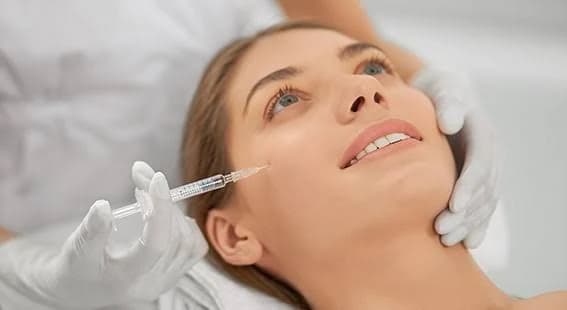
In winter, facial skin is constantly exposed to sharp temperature changes: frost and wind outdoors alternate with dry, warm air indoors. As a result, it loses moisture faster and may become dry, dull, and less firm. PRP therapy — a procedure using the patient’s own blood plasma — helps support skin recovery in the cold season. In this article, specialists from the GENEVITY Longevity and Quality of Life Center explain what PRP therapy is, who it is suitable for, and how to prepare for the procedure.
Winter PRP therapy: what is it and how does the procedure with your own plasma work?
PRP therapy is a method of injectable cosmetology in which a platelet concentrate isolated from the patient’s own blood is injected into the skin. The procedure is also called plasmalifting or PRP.
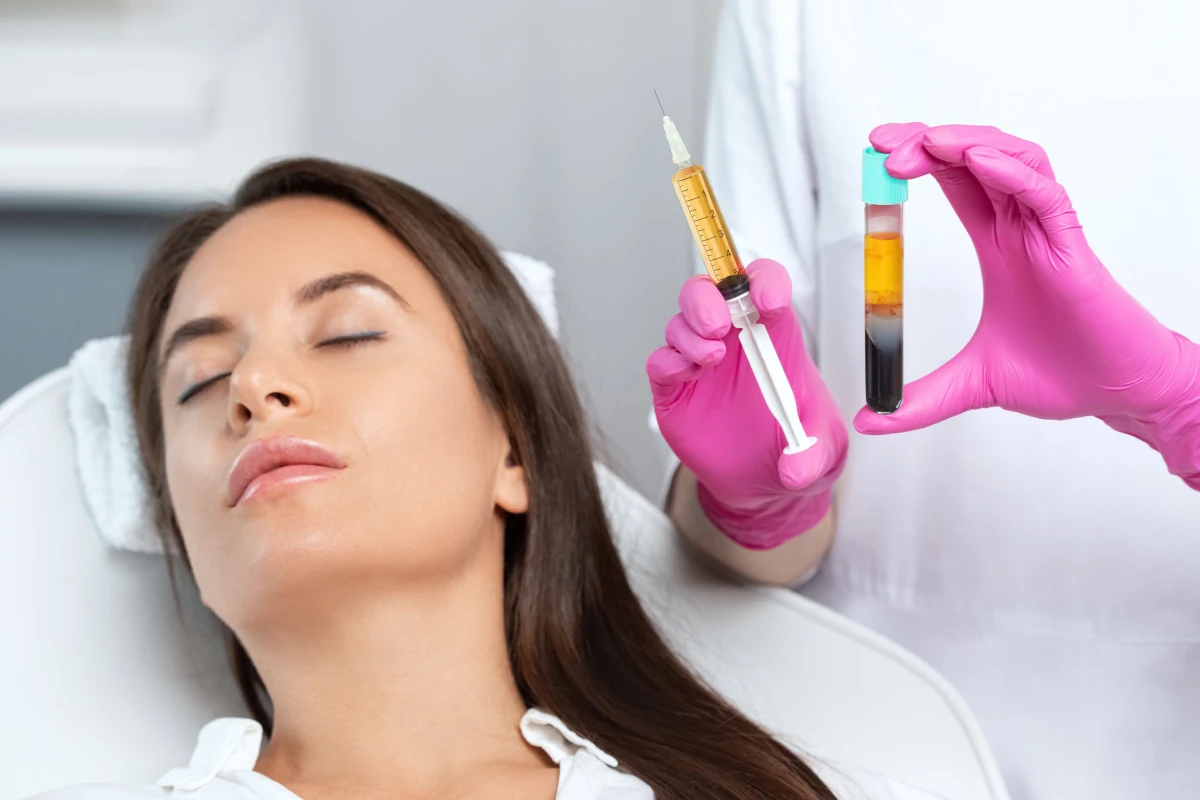
Platelets contain growth factors that take part in the skin’s natural repair processes. Under their influence, fibroblast activity increases and the synthesis of collagen and elastin is enhanced. Because the patient’s own plasma is used for the procedure, it is well tolerated by the body and carries a low risk of allergic reactions.
Why do cold, frost, and dry air worsen the condition of facial skin?
In frost, skin vessels constrict to conserve heat, so tissues receive less oxygen and nutrients. Cold air contains little moisture, and indoor heating dries the skin even more. As a result, the barrier function weakens, and tightness, flaking, redness, and increased sensitivity appear.
GENEVITY cosmetologist’s comment: “The effect of PRP therapy is not limited to hydration. Plasma works differently. Platelet growth factors support fibroblast activity and tissue repair processes. This is especially relevant for skin in winter, when it is constantly exposed to cold, wind, and dry air.”
What tasks does winter PRP therapy help solve?
Thanks to the action of growth factors, winter PRP therapy helps to:
reduce dehydration and restore skin tone;
improve complexion;
even out texture in post-acne and scarring;
speed up recovery after laser and device-based procedures.
To combine stimulation of repair processes with additional hydration and improvement of skin condition, at the GENEVITY Longevity and Quality of Life Center PRP therapy is combined with mesotherapy or biorevitalization.
Who is facial PRP therapy suitable for in the cold season?
The procedure is recommended for seasonal dryness, reduced tone, and a decline in skin condition. During the consultation, the doctor explains what PRP is, assesses the condition of the skin, and, if necessary, prescribes basic blood tests to rule out contraindications.
PRP therapy is not performed in the following cases:
blood diseases, including anemia, thrombocytopenia, and clotting disorders;
oncological diseases;
acute infections and fever;
pregnancy and breastfeeding;
use of anticoagulants and antiplatelet agents.
If more pronounced tissue repair is needed, the doctor may recommend stem cell therapy. It is used to stimulate regenerative processes, improve skin condition, and support its structure.
How to prepare for plasma therapy and how is the procedure performed?
Avoid alcohol 2–3 days before PRP therapy. On the day of PRP therapy, it is advisable to eat 1.5–2 hours before the visit and drink enough water to maintain normal plasma volume. It is best to come to the procedure without makeup.
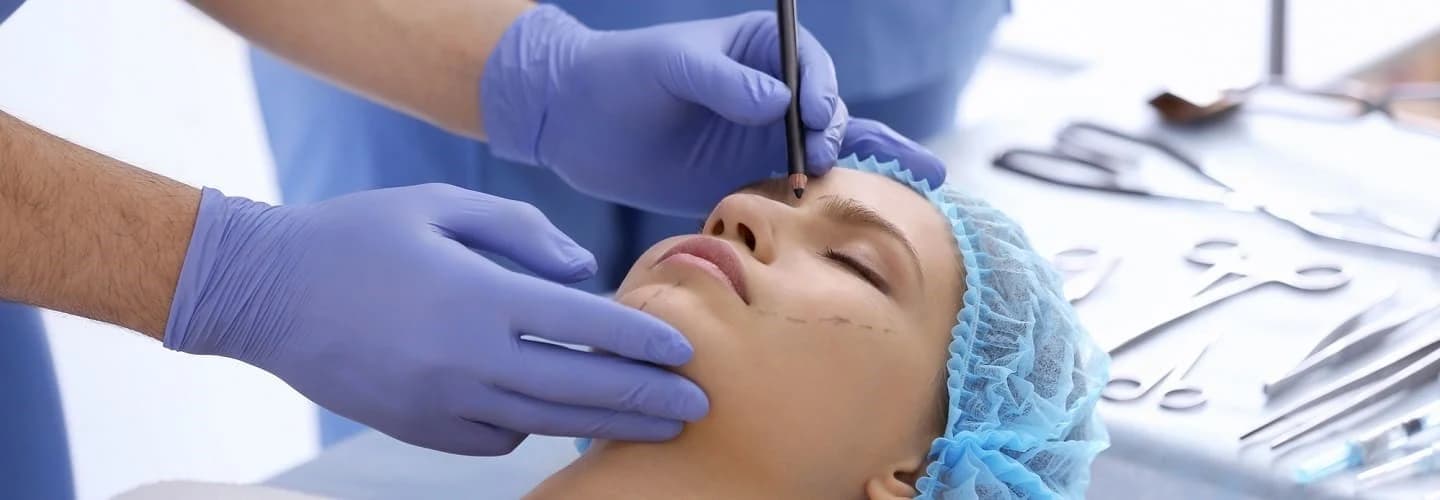
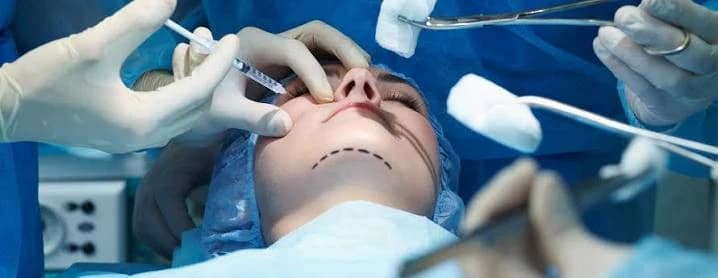
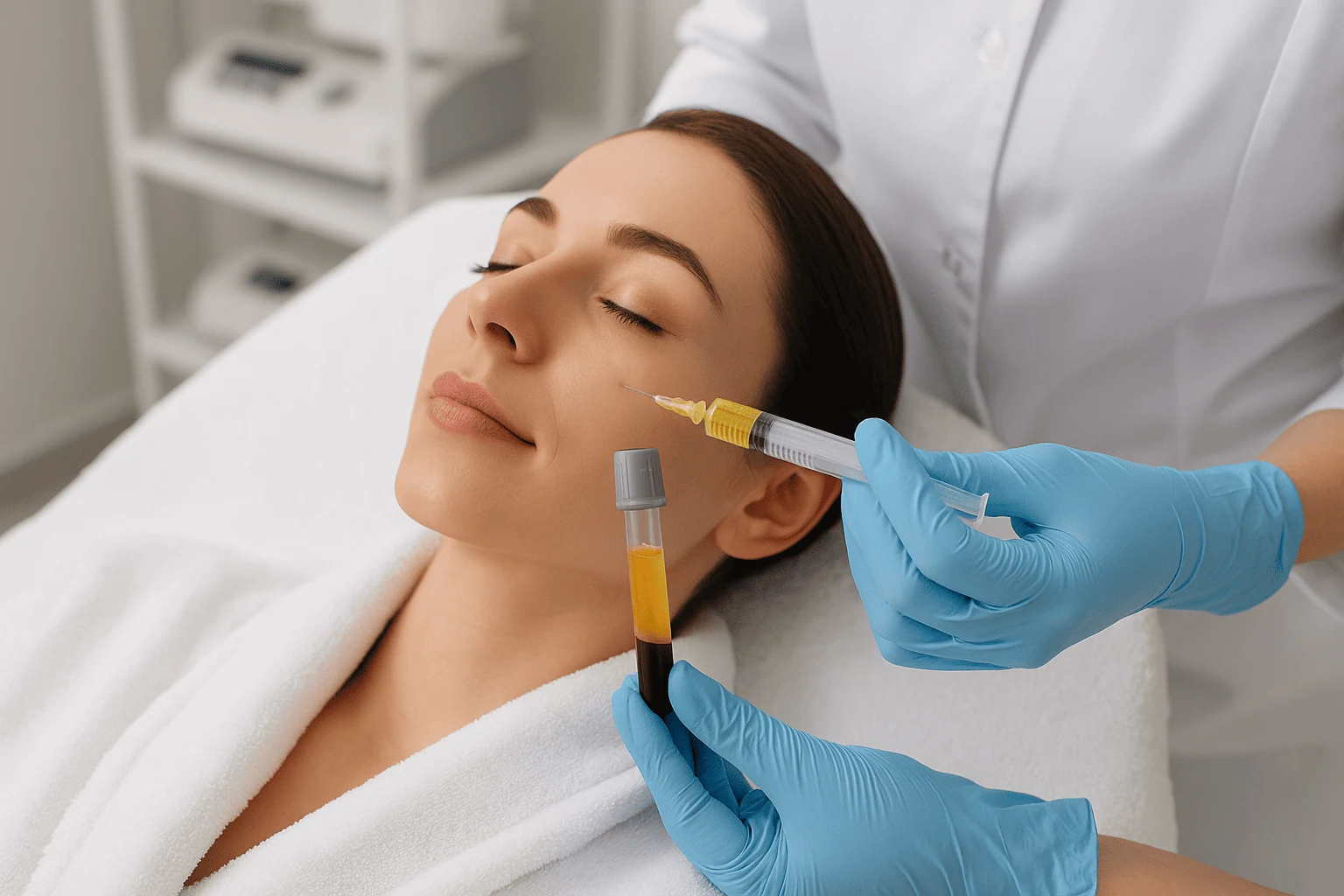
First, the cosmetologist draws 10–20 ml of blood from a vein and places the tubes in a centrifuge for 8–12 minutes. An anesthetic cream is applied to the facial skin 30–40 minutes before the injections. Once the plasma is prepared, the cosmetologist administers it by micro-injections. The procedure lasts 20–40 minutes.
Mild redness and swelling after PRP therapy usually subside within a day. During the first 24–48 hours, you should avoid physical exertion, alcohol, and saunas. A lasting result is formed after a course of 3–4 procedures at intervals of 3–4 weeks.
GENEVITY cosmetologist’s comment: “Not all processed plasma has the same characteristics. The platelet concentration is affected by the mode and duration of centrifugation, so we work according to a clear PRP preparation protocol. This allows us to obtain plasma with a sufficient concentration of platelets and growth factors to stimulate repair processes in the skin.”
Benefits of PRP therapy at the GENEVITY Longevity and Quality of Life Center
At the GENEVITY Longevity and Quality of Life Center in Dnipro, PRP therapy is performed as part of a comprehensive skin recovery program. An in-house laboratory makes it possible to undergo the necessary tests in one place. If necessary, PRP is combined with other injectable and device-based techniques to influence different mechanisms of age-related and seasonal skin changes at the same time.
This information is for general awareness and does not replace a doctor's consultation.