Rhinoplasty in Dnipro
Rhinoplasty at GENEVITY is the surgical correction of the shape, size and proportions of the nose, aimed at harmonising facial features and addressing individual aesthetic concerns. Where there are appropriate indications, the operation can be combined with correction of the structures that affect nasal breathing. The plastic surgeon selects the technique individually, taking into account the anatomy of the nose, the condition of the tissues, functional considerations and the desired result.
What Is Rhinoplasty and What Results Can You Expect?
The nose plays an important part in the proportions of the face. Its shape depends on the structure of the bone and cartilage, the thickness of the skin and individual anatomical features. Even small changes to the bridge, tip or nostrils can affect how the face as a whole is perceived. Rhinoplasty makes it possible to change the shape of the nose surgically, adjust its proportions and address a hump, asymmetry or other structural features. Depending on the indications, open or closed rhinoplasty, tip correction, revision rhinoplasty or septorhinoplasty may be used. When planning the operation, the surgeon considers not only the aesthetic outcome but also the need to preserve or improve nasal breathing. Rhinoplasty does not guarantee absolute symmetry, and the final appearance of the nose develops gradually as healing progresses.
The result depends on the starting anatomy, the chosen technique, the condition of the skin, how healing proceeds and adherence to postoperative recommendations.
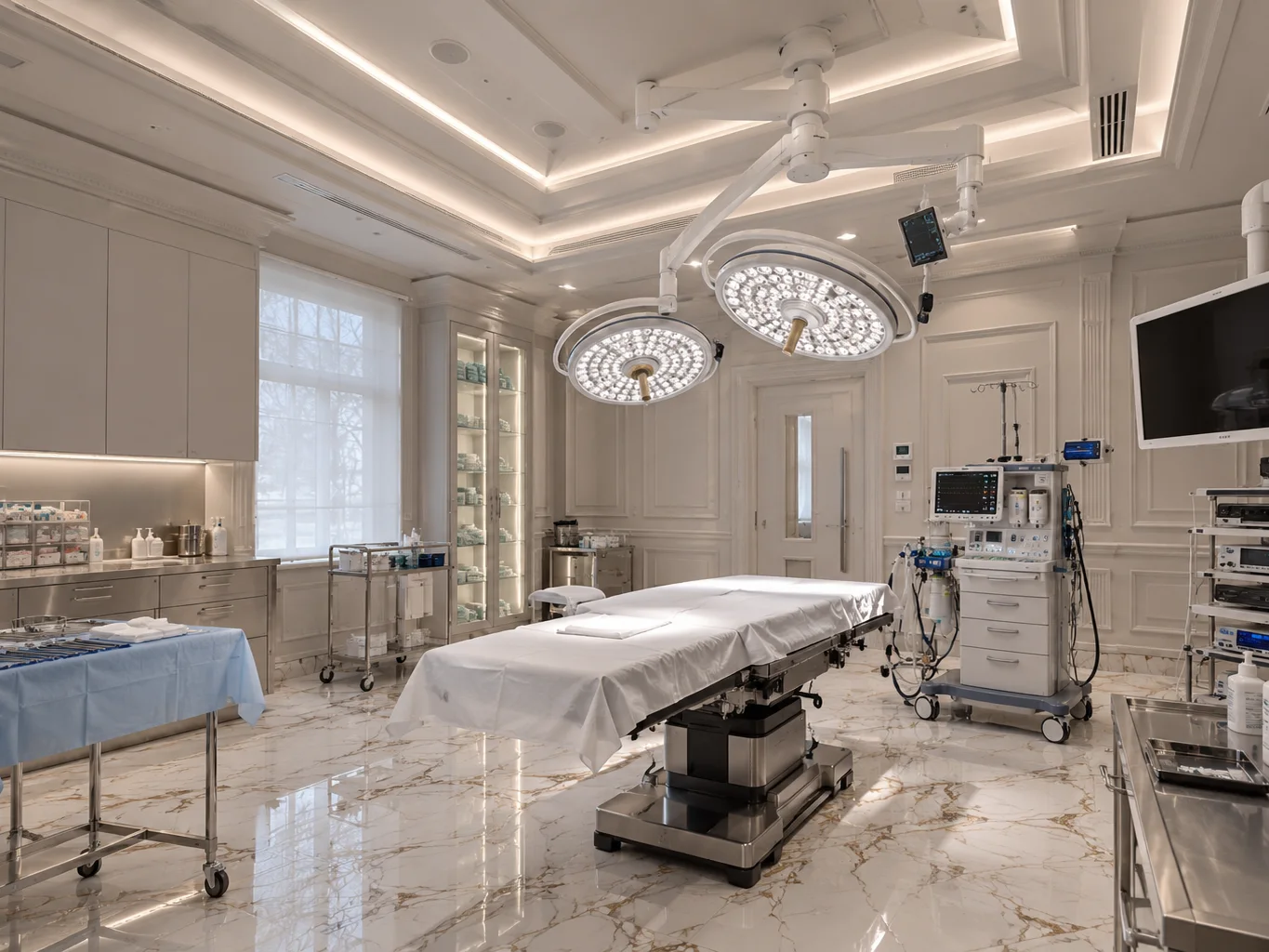
Expected improvements after rhinoplasty may include
Correction of the shape and proportions of the nose.
Reduction or removal of a hump on the nasal bridge.
A change in the shape, position or projection of the nasal tip.
Correction of nasal asymmetry.
A change in the width of the bridge or nostrils where indicated.
Better harmony between the nose and the other features of the face.
Possible improvement in nasal breathing when functional correction is carried out at the same time.
Indications for Rhinoplasty
- A hump on the nasal bridge.
- Pronounced nasal asymmetry.
- A disproportionate width or length of the nose.
- A drooping, wide or asymmetrical nasal tip.
- The shape of the nostrils and alar rims.
- Nasal deformity following trauma.
- Congenital anatomical features.
- Impaired nasal breathing that requires surgical correction.
- Dissatisfaction with the result of a previous rhinoplasty.
Contraindications for Rhinoplasty
- Acute infectious and inflammatory conditions.
- Active inflammation of the nose and paranasal sinuses.
- Uncontrolled diabetes.
- Blood clotting disorders.
- Decompensated cardiovascular and other severe systemic conditions.
- Conditions in which anaesthesia or surgery would carry an unacceptably high risk.
- Incomplete development of the bone and cartilage structures of the nose, unless there are separate medical indications.
- Pregnancy and breastfeeding.
- Other individual limitations determined by the doctor.
Rhinoplasty may be recommended where there are aesthetic or functional features of the nose that call for surgical correction. The indications for surgery are determined by anatomy, nasal breathing function, general health and how realistic the patient's expectations are. Because rhinoplasty is a surgical procedure, it requires a consultation with a plastic surgeon, preoperative assessment and a consultation with an anaesthetist beforehand. Where necessary, an additional consultation with an ENT specialist is arranged before the operation.
How Is Rhinoplasty Performed?
Consultation with a Plastic Surgeon
The doctor assesses the shape of the nose, the condition of the skin, the bone and cartilage structures, and facial symmetry and proportions. They also establish whether there is any impairment of nasal breathing, previous trauma or earlier surgery, and discuss expectations, possible results, limitations and the risks of the procedure with the patient.
Preoperative Preparation
The patient undergoes the necessary laboratory and instrumental investigations, a consultation with an anaesthetist and, where indicated, with further specialists. If required, the condition of the nasal septum and other structures of the nasal cavity is assessed. The doctor gives guidance on preparation, medication and the regimen to follow before surgery.
Surgical Correction of the Nose
Rhinoplasty is usually performed under general anaesthesia. Depending on the technique chosen, the surgeon uses either an open or a closed approach. The operation may involve correcting bone and cartilage structures, reshaping the bridge and tip of the nose, addressing asymmetry and, where indicated, correcting the nasal septum. The extent of the procedure is set by the individual surgical plan.
Postoperative Monitoring
After the operation the patient remains under medical supervision. An external fixating dressing or a splint may be used to support the new shape of the nose, and internal fixation is used where necessary. How long the patient stays in hospital depends on the extent of the procedure and their condition.
Recovery and Follow-Up
Swelling, bruising around the eyes, nasal congestion and temporary discomfort are common in the first few days. The doctor arranges follow-up appointments and advises on aftercare, physical activity and the restrictions that apply during the postoperative period. Initial recovery usually takes two to three weeks, but the final contours of the nose may continue to settle for twelve months or longer, particularly at the tip.
Benefits of Rhinoplasty at GENEVITY
Personalized Surgical Planning — The surgical technique is chosen with the anatomy of the nose, the proportions of the face and the patient's own aesthetic goals in mind.
A Comprehensive Approach to the Nose — The plastic surgeon assesses not only the external shape of the nose but also its internal structures and nasal breathing.
Correction of a Range of Anatomical Features — Surgical techniques make it possible to reshape the bridge, tip and nostrils, and to address individual deformities.
Preservation of Natural Proportions — Surgical planning aims to harmonise the features of the face without altering the patient's individuality unnecessarily.
Medical Care and Follow-Up — Preoperative assessment, appropriate anaesthetic care and postoperative review are essential parts of surgical treatment.
Rhinoplasty, like any surgical procedure, carries risks. These include bleeding, infection, impaired healing, asymmetry, scarring, changes in sensation, impaired nasal breathing and the possibility that revision surgery may be needed. All material risks are discussed before the procedure.
Our Medical Team
Consultations are provided by specialists across multiple disciplines, ensuring a comprehensive approach to your health
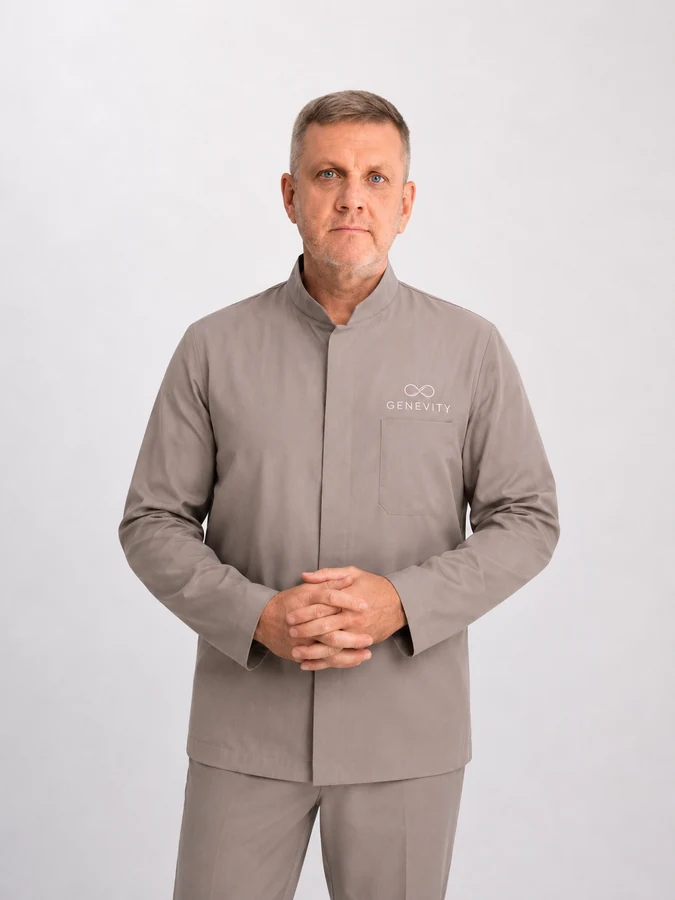
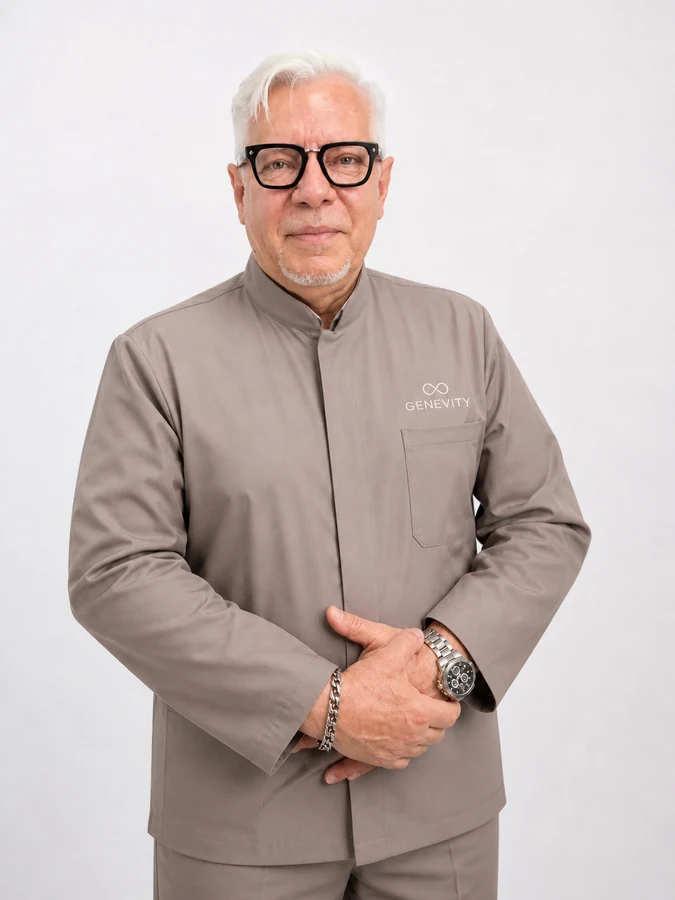
Harmash Serhii Kostiantynovych
Plastic Surgeon, Oncologist, Dermatologist
Experience: 41 years
Learn MoreYou may also be interested in
Facial Plastic Surgery
Facial plastic surgery at GENEVITY means an individual approach to aesthetic correction and rejuvenation. A facelift or neck lift, blepharoplasty, rhinoplasty, otoplasty and facial contouring each address different aesthetic and anatomical concerns. The plastic surgeon assesses the structure of the face, the condition of the tissues and the patient's wishes in order to establish whether surgery is appropriate, select a suitable technique and plan the recovery.
Otoplasty
Otoplasty at GENEVITY is a surgical procedure designed to correct the shape, position, and proportions of the ears, addressing prominent ears, asymmetry, and other anatomical concerns. The procedure helps create more balanced ear contours in harmony with facial features while preserving a natural appearance. The plastic surgeon selects the most appropriate technique individually, taking into account cartilage structure, tissue condition, and the desired outcome.
FAQ
Rhinoplasty is usually considered once the bone and cartilage structures of the nose have largely finished developing. In some cases surgery may be carried out earlier for medical reasons. The decision is made individually after a consultation with the surgeon.
Open rhinoplasty uses an incision across the columella, the strip of tissue between the nostrils, which gives wider access to the structures of the nose. In closed rhinoplasty the incisions are made inside the nasal passages. The choice of technique depends on the anatomy and the complexity of the correction.
Yes. Where there are appropriate indications, rhinoplasty can be combined with correction of the nasal septum or other structures that affect nasal breathing. This combined procedure is known as septorhinoplasty.
Initial recovery usually takes two to three weeks, during which bruising and pronounced swelling gradually subside. The final result may continue to develop for twelve months or longer.
In closed rhinoplasty the incisions are inside the nose. In the open technique a small scar may remain on the columella. It usually becomes less noticeable over time, although completely invisible healing cannot be guaranteed.
The operation is usually performed under general anaesthesia. Discomfort, nasal congestion, swelling and a feeling of pressure are possible afterwards. The doctor prescribes appropriate medication to control pain.
Yes. Reducing a hump on the nasal bridge is one of the more common aims of rhinoplasty. The technique used depends on the bone and cartilage structure, the thickness of the skin and the desired result.
Rhinoplasty can affect nasal breathing. Where functional indications are correctly identified, correcting the internal structures at the same time may improve it. Equally, impaired breathing is one of the possible postoperative complications.
Changes to the bone and cartilage structures are usually long-lasting. The appearance of the nose can still be affected by healing, age-related change, injury and the individual characteristics of the tissues.
The cost depends on the complexity of the operation, the technique chosen, whether functional correction is needed, the type of anaesthesia and other elements of treatment. An individual estimate is prepared after a consultation with the plastic surgeon.
Book a consultation
Our specialists will create the optimal program for you
This information is for general awareness and does not replace a doctor's consultation.