Facial Contouring in Dnipro
Facial contouring at GENEVITY involves individually selected aesthetic correction methods designed to improve the contours of the lower face, reduce the appearance of jowls, enhance the chin area, and restore a more defined jawline. Depending on tissue condition and medical indications, surgical or non-surgical techniques may be considered. The goal is to improve facial harmony while preserving natural features and individual appearance.
What Is Facial Contouring and What Results Can You Expect?
The facial contour is shaped by the interaction of bone structures, subcutaneous fat, muscles, and skin. With age, skin elasticity decreases, fat distribution changes, and soft tissue support weakens. These changes can lead to the development of jowls, reduced jawline definition, and altered proportions of the lower face. Facial contouring involves a comprehensive assessment of these changes and selection of an appropriate treatment method. For mild to moderate age-related changes, non-surgical aesthetic procedures may be considered. In cases of significant tissue sagging or excess skin, surgical correction may be a more effective option.
The final outcome depends on the cause of contour changes, the selected technique, anatomical characteristics, and tissue condition.
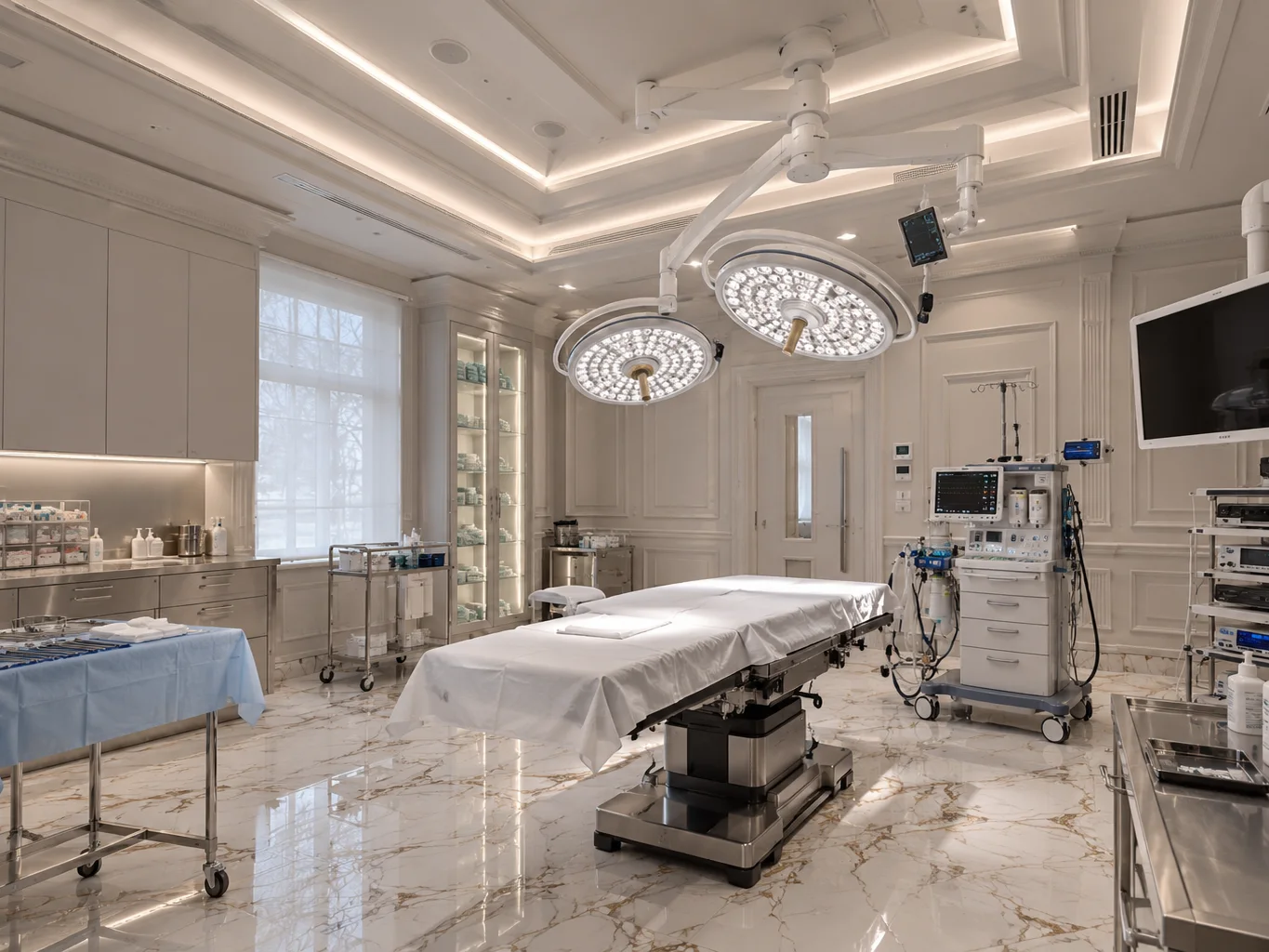
Expected improvements may include
Improved jawline definition.
Reduction in the appearance of jowls.
Correction of sagging soft tissues in the lower face.
Improved proportions of the chin area.
Reduction in the appearance of a double chin when indicated.
A more harmonious transition between the face and neck.
Preservation of natural facial expressions and individual features.
What Facial Contouring Methods Are Available?
Surgical Correction — In cases of significant tissue sagging, surgical options may include a lower facelift, SMAS facelift, or combined face and neck lift. These procedures aim to reposition and secure soft tissues, improve their position, and remove excess skin when necessary.
Chin Area Correction — If reduced jawline definition is associated with localized fat deposits, the physician may consider methods to address them. When significant excess skin is present, fat reduction alone may not provide sufficient improvement.
Non-Surgical Techniques — For mild to moderate changes, certain injectable or device-based treatments may be used to improve skin quality or facial contours. Their capabilities are limited: non-surgical procedures cannot replace a surgical facelift in cases of significant tissue sagging. Specific treatment methods and their availability at GENEVITY should be confirmed during a consultation.
Indications for Facial Contouring
- Jowls along the lower jaw.
- An undefined or uneven facial contour.
- Sagging soft tissues in the lower face.
- Loss of skin firmness and elasticity.
- Changes in chin proportions.
- A double chin associated with fat distribution or sagging skin.
- Age-related changes in face and neck contours.
- Anatomical features that affect jawline definition.
Contraindications for Facial Contouring
- Acute infectious or inflammatory diseases.
- Uncontrolled diabetes mellitus.
- Blood clotting disorders.
- Decompensated cardiovascular conditions and other severe systemic diseases.
- Active inflammatory conditions in the treatment area.
- Medical conditions in which anesthesia or surgery involves an unacceptably high level of risk.
- Pregnancy and breastfeeding.
- Other individual contraindications identified by the physician.
Facial contouring may be recommended for patients with aesthetic changes in the lower face that affect facial definition. The appropriate method is selected after evaluating the skin, subcutaneous fat, muscles, skeletal proportions, and overall health. Injectable and device-based treatments have their own specific restrictions, which must be assessed individually.
How Is Facial Contouring Performed?
Specialist Consultation
The physician assesses skin condition, the extent of jowling, soft tissue position, jawline definition, and the chin area. The patient's expectations, treatment possibilities, and limitations of different methods are discussed.
Selection of the Treatment Method
Based on the examination, the physician determines whether a non-surgical procedure may be sufficient or whether surgical lifting should be considered. Expected results, risks, and recovery requirements are explained.
Preparation for the Procedure
Preparation depends on the selected method. Surgical procedures require appropriate medical examinations and an anesthesiology consultation. For non-surgical treatments, relevant contraindications are assessed.
Facial Contouring Procedure
Treatment is performed according to an individualized plan. Surgical techniques may involve repositioning and securing tissues, while non-surgical procedures use different mechanisms and generally involve less extensive intervention.
Recovery and Follow-Up
Recovery depends on the treatment method. After surgical correction, swelling, bruising, tightness, and temporary changes in sensation may occur. Recovery after non-surgical treatments is often shorter but varies depending on the specific procedure. The final outcome is assessed according to the timeframe recommended by the physician.
Benefits of Facial Contouring at GENEVITY
Personalized Treatment Planning — The correction plan is developed based on anatomical features, tissue condition, and individual aesthetic goals.
Comprehensive Assessment of Age-Related Changes — The specialist considers skin, muscles, fatty tissue, and the proportions of the lower face.
Treatment Selection Based on Individual Indications — Different approaches may be appropriate for different degrees of contour changes. The selection is based on the capabilities and limitations of each method.
Focus on Natural-Looking Results — Treatment aims to improve facial contours while preserving individual facial features.
Medical Care and Follow-Up — Consultation, contraindication assessment, preparation, and follow-up are important components of treatment.
Potential risks depend on the selected method. Surgical correction may involve bleeding, infection, scarring, asymmetry, changes in sensation, and other complications. Injectable and device-based treatments also carry specific risks that should be discussed before treatment.
Before / After
Real results of GENEVITY patients. Drag the divider to see the change.
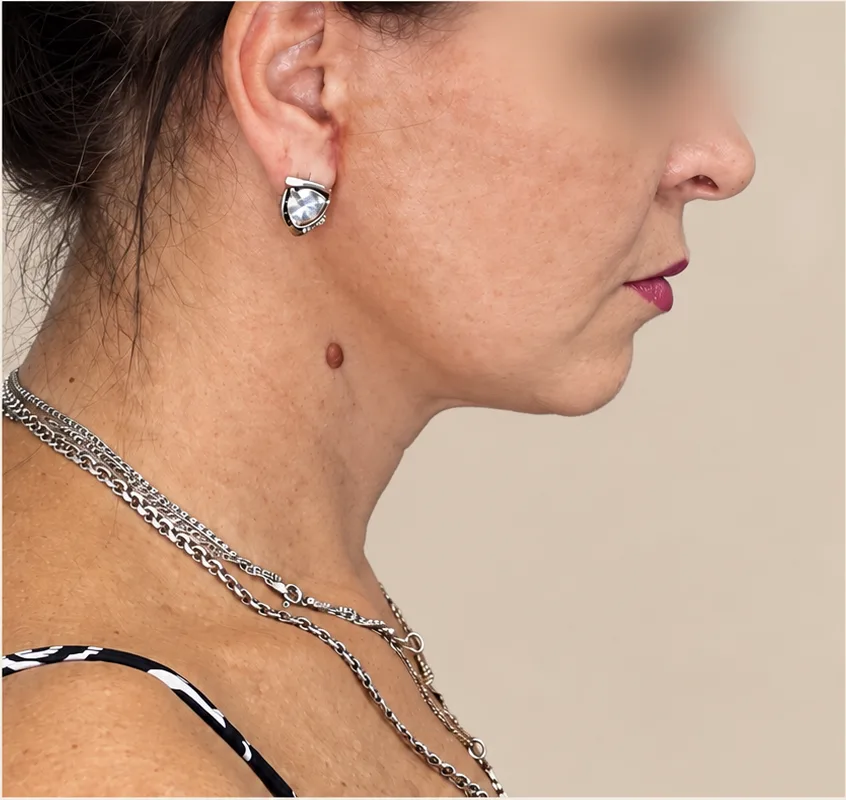 BeforeAfter
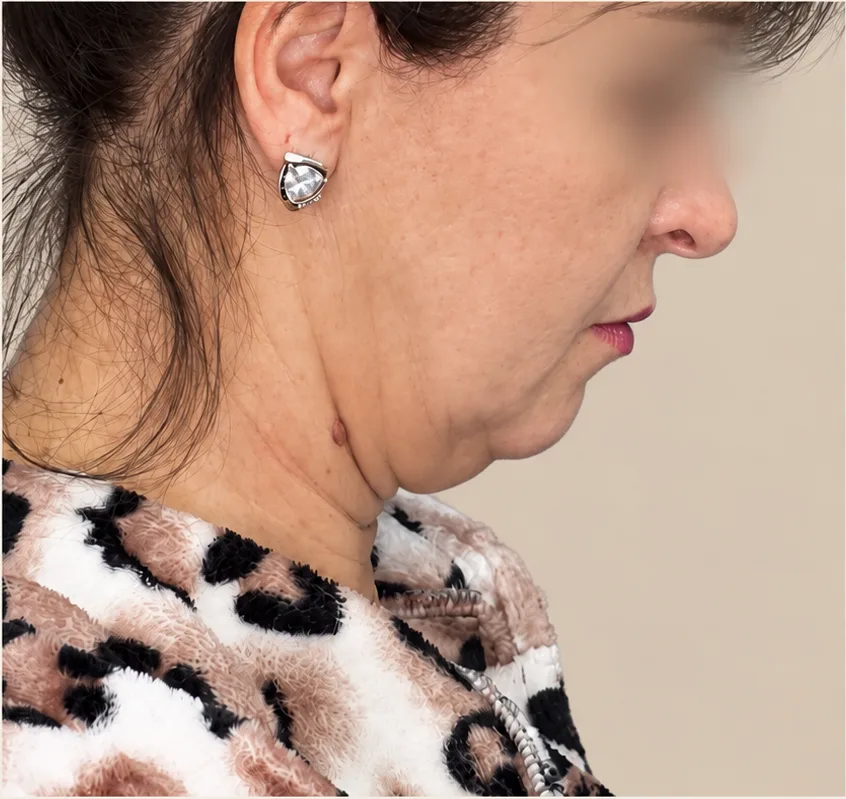
- Treated area:
- Lower third of the face and neck
- Sessions:
- 1 operation
Photos are published with patient consent. Results are individual and depend on the starting condition, age and adherence to the doctor's recommendations.
Our Medical Team
Consultations are provided by specialists across multiple disciplines, ensuring a comprehensive approach to your health
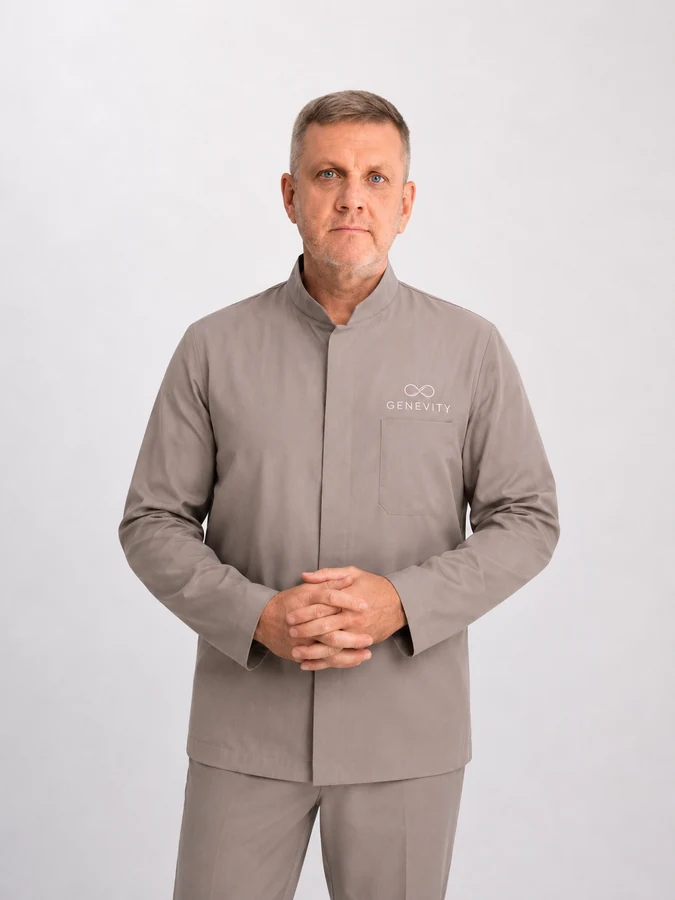
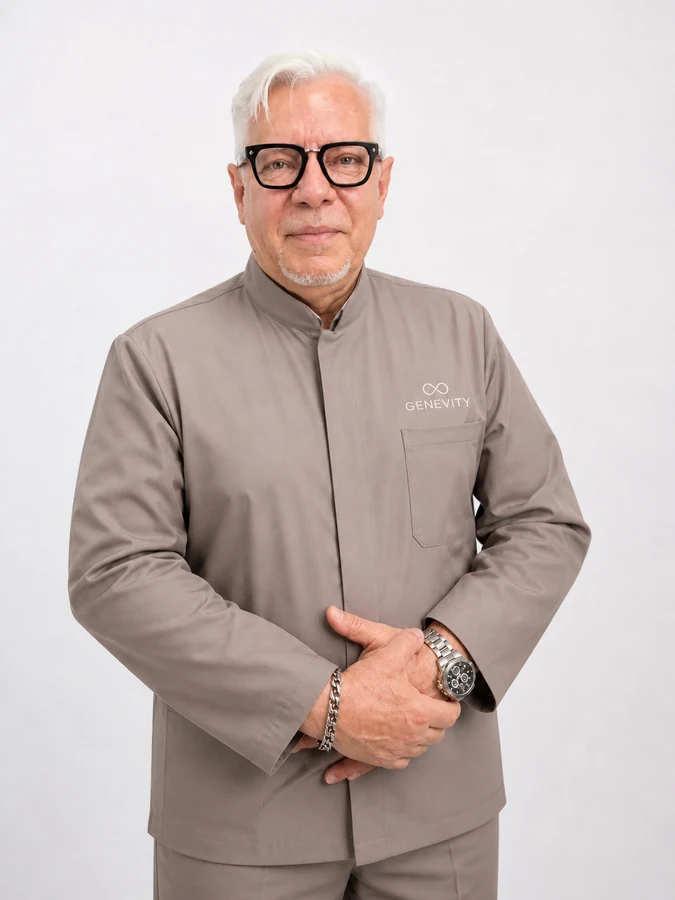
Harmash Serhii Kostiantynovych
Plastic Surgeon, Oncologist, Dermatologist
Experience: 41 years
Learn MoreYou may also be interested in
Facial Plastic Surgery
Facial plastic surgery at GENEVITY means an individual approach to aesthetic correction and rejuvenation. A facelift or neck lift, blepharoplasty, rhinoplasty, otoplasty and facial contouring each address different aesthetic and anatomical concerns. The plastic surgeon assesses the structure of the face, the condition of the tissues and the patient's wishes in order to establish whether surgery is appropriate, select a suitable technique and plan the recovery.
Facelift Surgery
Facelift surgery (rhytidectomy) at GENEVITY is a surgical procedure designed to correct age-related changes in the face and neck, restore facial definition, remove excess skin, and address sagging soft tissues. The plastic surgeon selects the most appropriate surgical technique individually, taking into account facial anatomy, tissue condition, and the desired outcome.
Neck Lift Surgery
Neck lift surgery (platysmaplasty) at GENEVITY is a surgical procedure designed to correct age-related changes in the neck and chin area, reduce sagging tissues and excess skin, and restore a more defined neck and chin contour. The plastic surgeon selects the most appropriate technique individually, taking into account anatomical features, skin and muscle condition, the extent of age-related changes, and the desired outcome.
FAQ
As we age, skin elasticity decreases, the distribution of subcutaneous fat changes, and soft tissue support weakens. Bone structure, genetics, and weight fluctuations also influence facial contours.
For mild to moderate changes, certain non-surgical treatments may improve the appearance of the lower face. However, their effectiveness is limited in cases of significant tissue sagging, and surgical correction may be recommended.
Facial contouring is a broad term covering different methods used to improve the contours of the lower face. A facelift is a specific surgical procedure that may be used to correct significant tissue sagging.
In certain cases, yes. The appropriate method depends on whether the double chin is caused by fat deposits, excess skin, tissue sagging, or anatomical characteristics.
There is no universally recommended age. Treatment indications depend on tissue condition, facial anatomy, and individual needs rather than age alone.
Recovery time depends on the technique. After a surgical facelift, initial recovery often takes several weeks, while the final result may develop over several months. Recovery after some non-surgical procedures can be considerably shorter.
Yes. When medically appropriate, correction of the lower face may be combined with neck lift surgery. The plastic surgeon determines whether combined treatment is suitable.
This depends on the method. Surgical procedures involve incisions and scarring. Non-surgical treatments generally do not require such incisions but may have other side effects.
The duration depends on the selected technique, tissue condition, lifestyle, and natural aging. Surgical lifting results are generally longer-lasting than those of many non-surgical treatments.
The cost depends on the selected method, extent of treatment, required examinations, and other aspects of care. An individualized cost estimate is provided after a specialist consultation.
Book a consultation
Our specialists will create the optimal program for you
This information is for general awareness and does not replace a doctor's consultation.