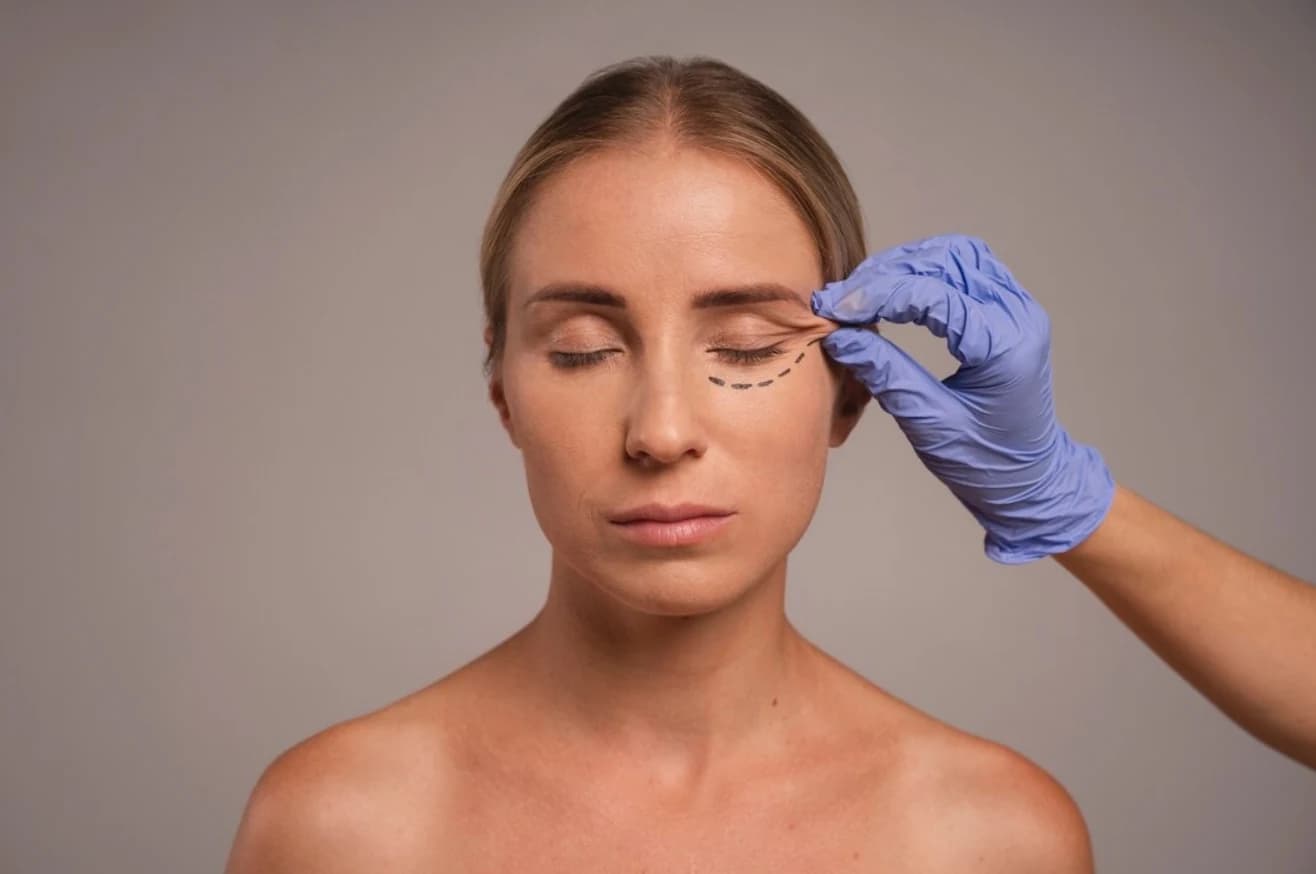
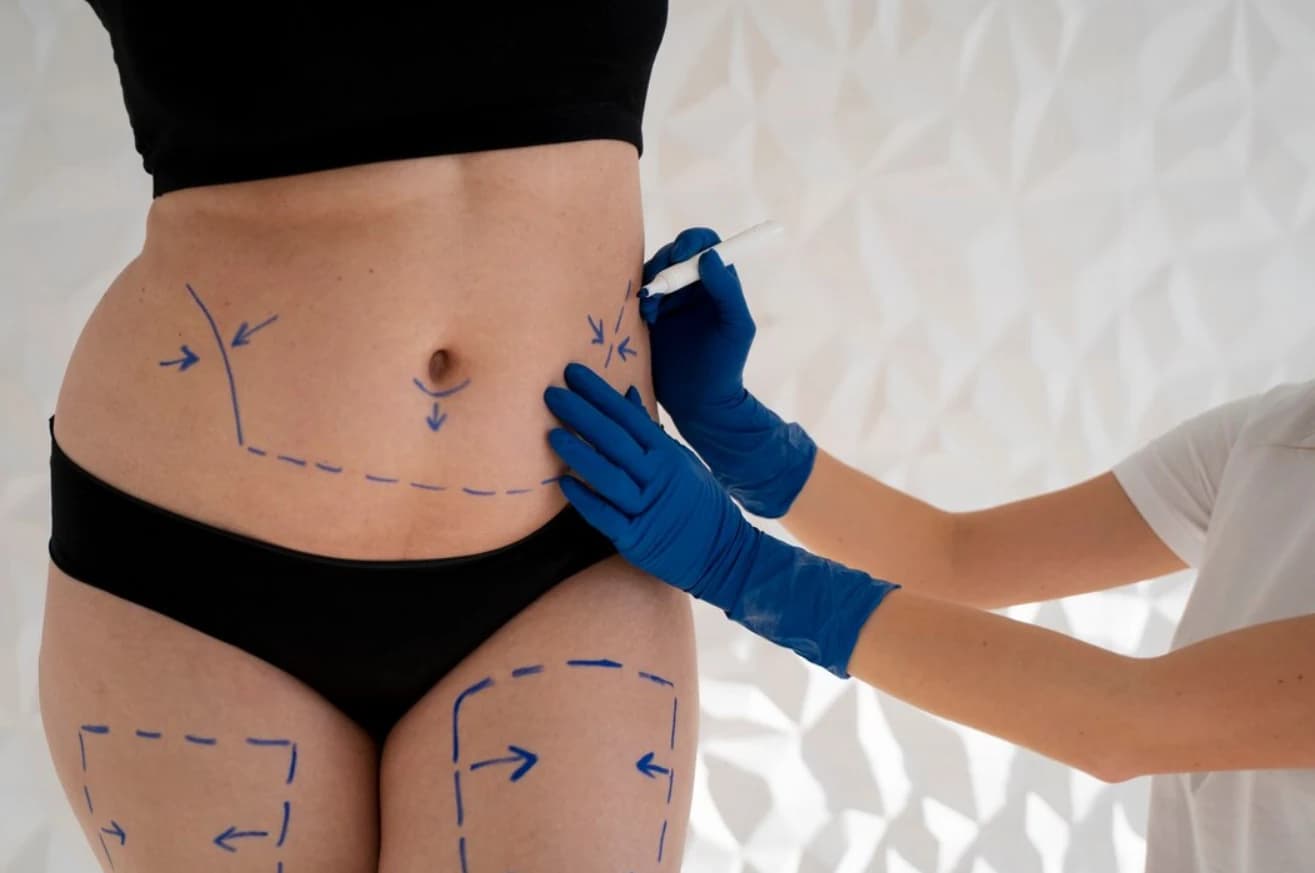
Liposuction is often seen as a quick way to lose weight, although its purpose is different. The operation helps remove localized fat deposits that persist despite a proper diet and regular workouts, and makes the contours of the body more defined.
The doctors at the GENEVITY longevity and quality of life center in Dnipro explain who liposuction is indicated for, what contraindications exist, and when device-based methods of body contouring can be used instead of surgery.
What Is Liposuction and What Is It Performed For?
Liposuction is one of the most sought-after operations in plastic surgery. It is performed to remove localized fat deposits and correct body contours. Through small punctures, the surgeon inserts thin cannulas and removes excess fat tissue in the chosen area. As a result, the figure acquires clearer and more harmonious outlines. However, liposuction is not intended for treating obesity or achieving significant weight loss.
Liposuction: Main Indications
Liposuction is more often recommended for patients with normal or near-normal weight who want to correct specific areas of the body. The main indications for liposuction are:
localized fat deposits that persist despite a proper diet and workouts;
disproportion of the figure, for example pronounced “saddlebags” on the thighs;
asymmetry of body contours;
the need to combine liposuction with other plastic surgeries, for example abdominoplasty.
The result of the operation is affected by weight stability and skin elasticity. The better the skin contracts after fat tissue is removed, the smoother and more defined the body contours become.
Liposuction of Localized Fat Deposits
The distribution of fat tissue largely depends on heredity and hormonal factors. That is why, even with weight loss, localized deposits may remain on the abdomen, thighs, or flanks. Liposuction makes it possible to reduce the fat layer in problem areas.
Comment from a GENEVITY plastic surgeon: “Such areas are often called fat traps. Fat cells in different parts of the body respond differently to the hormonal signals that regulate fat storage and breakdown. That is why, when you lose weight, your waist measurement may decrease faster than, for example, the outer thighs.”
In Which Areas Can Liposuction Be Performed?
Liposuction is performed on areas of the body with localized fat deposits. The most commonly corrected areas are:
the abdomen and flanks;
the inner and outer thighs;
the buttocks;
the knee area;
the shoulders and back;
the chin.
If necessary, correction of the abdomen, thighs, and other areas of the body can be combined in a single surgical procedure.
When Might Liposuction Be Contraindicated?
Before the operation, the surgeon assesses the patient’s health in order to identify possible contraindications to liposuction. These include:
acute infectious and inflammatory diseases;
severe cardiovascular diseases;
decompensated diabetes mellitus;
blood clotting disorders;
pregnancy and breastfeeding;
active oncological diseases.
Some contraindications are temporary. After recovery or stabilization of a chronic disease, the doctor may allow the operation to go ahead. The final decision is made after an examination and a consultation with a plastic surgeon.
How Does Liposuction Differ from Body Contouring Procedures?
In liposuction, the surgeon removes fat tissue in a single operation. For small fat deposits, device-based body cosmetology methods can be used. EMSCULPT NEO helps reduce the fat layer and strengthen muscles, while EXION Body improves skin firmness and reduces the appearance of cellulite. Device-based procedures may be suitable for small fat deposits, while liposuction is for removing a significant volume of fat.
How Does the Doctor Determine Whether Liposuction Is Right for a Patient?
The surgeon assesses the amount and location of fat deposits, skin elasticity, weight, and overall health. It is also important how well the patient’s expectations match what the operation can deliver.
Comment from a GENEVITY plastic surgeon: “If the skin has lost its firmness, liposuction alone may not be enough. In such cases, we recommend supplementing the operation with a skin lift. The Ultraformer MPT Body procedure stimulates collagen production and helps the skin tighten without incisions.”
Book a consultation with a plastic surgeon at the GENEVITY longevity and quality of life center in Dnipro. The doctor will assess the condition of your tissues, determine the indications, propose a suitable method of body contouring, and tell you about the specifics of recovery after the operation.
This information is for general awareness and does not replace a doctor's consultation.