Body Plastic Surgery in Dnipro
Body plastic surgery at GENEVITY covers abdominoplasty, liposuction, body contouring, contouring after weight loss and diastasis repair. The plastic surgeon assesses the condition of the skin, the distribution of fat and the muscles of the abdominal wall in order to establish whether surgery is appropriate, select a technique and plan the recovery.
What Is Body Plastic Surgery?
Body plastic surgery covers the surgical correction of body contours: removing excess skin and fat, restoring the muscles of the abdominal wall and reshaping the silhouette. Two distinct problems need separating. Localised fat deposits that persist despite diet and exercise are addressed by liposuction. Excess stretched skin and separation of the abdominal muscles are not solved by liposuction — those require abdominoplasty. None of these operations is a method of weight loss. They are performed at a stable weight and correct what remains after weight loss, or what does not respond to diet and physical activity. At GENEVITY, planning is based on individual anatomy and medical indications. During the consultation the doctor establishes whether surgery is required, or whether the goal can be partly achieved with device-based treatments.
How Are Preparation and Body Surgery Carried Out?
Consultation and Assessment
The plastic surgeon assesses the condition and elasticity of the skin, the distribution of fat, the tone of the abdominal muscles and whether diastasis or a hernia is present. Expectations, possible results, limitations and risks are discussed.
Assessing Weight Stability
Body surgery is planned at a stable weight. If weight loss is still under way, surgery is usually deferred — further loss changes the result.
Individual Planning
The doctor determines the technique, the extent of surgery, the placement of incisions and whether procedures should be combined — abdominoplasty with diastasis repair and liposuction of adjacent areas, for example.
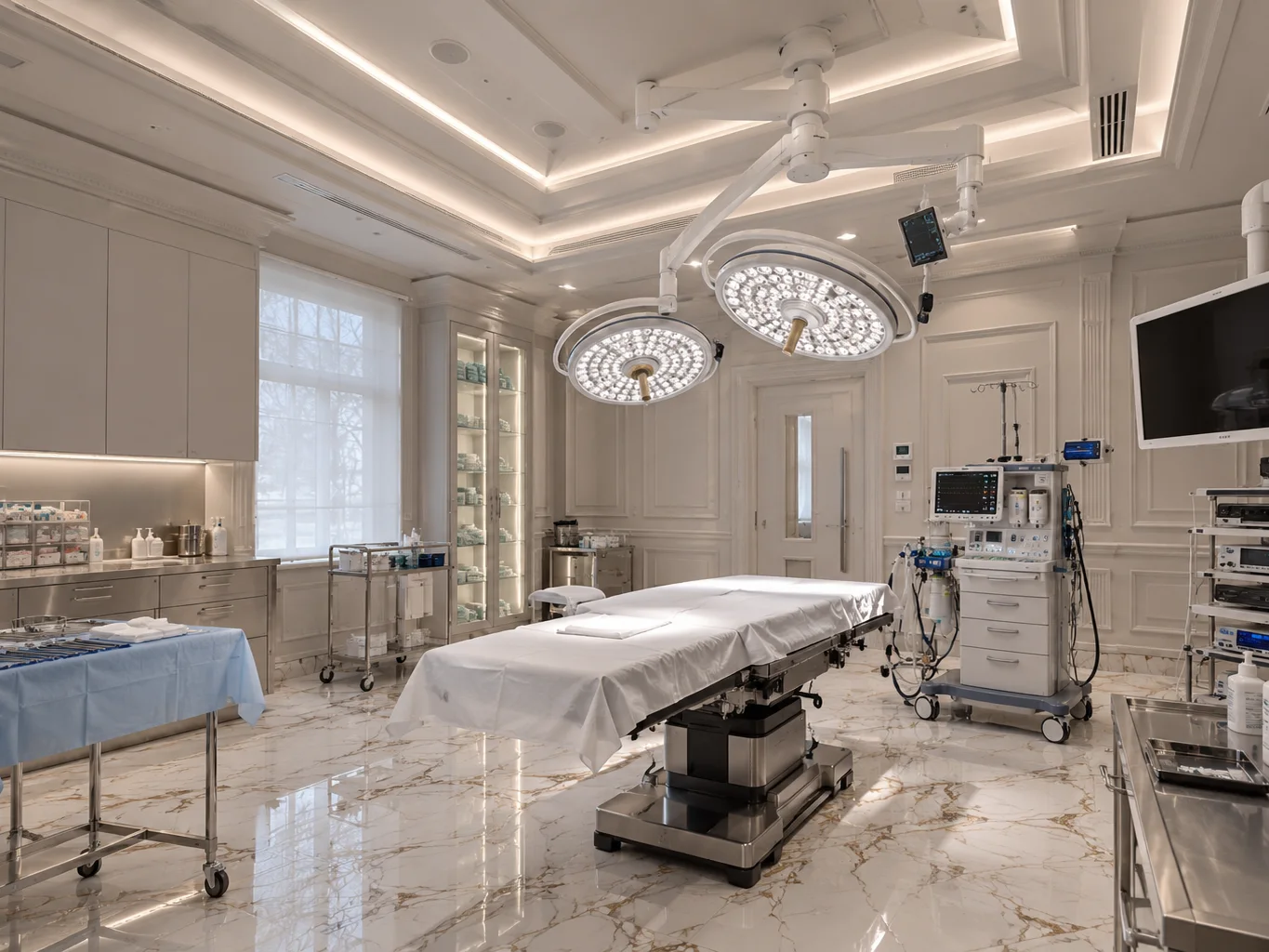
Surgery
The operation follows the agreed plan. The type of anaesthesia, how long it takes and whether an inpatient stay is needed depend on the procedure and its extent.
Recovery and Follow-Up
A compression garment, early mobilisation to reduce the risk of thrombotic complications, restrictions on activity and follow-up appointments are prescribed. The final contours emerge over several months as swelling subsides.
Benefits of Body Surgery at GENEVITY
Separating the Problems — The consultation establishes what is actually causing the problem — fat, excess skin or muscle separation — since each calls for a different method.
Individual Planning — The technique is chosen with the condition of the skin, fat distribution, muscle tone and general health in mind.
Combined Procedures — Where indicated, abdominoplasty, diastasis repair and liposuction of adjacent areas are carried out in a single operation.
Operating at a Stable Weight — Surgery is planned once weight is stable, since later fluctuations change the result achieved.
Assessment and Inpatient Care in One Centre — Preoperative diagnostics, the laboratory and the inpatient unit are all at the centre.
Medical Care and Follow-Up — Preoperative assessment, anaesthetic care, the inpatient stay and postoperative review are essential parts of surgical treatment.
Who Might Body Surgery Suit?
Excess abdominal skin after pregnancy or weight loss.
Separation of the abdominal muscles (diastasis).
Localised fat deposits resistant to diet and exercise.
Loss of definition at the waist and flanks.
Skin and fat folds after substantial weight loss.
Stretch marks and laxity of the lower abdominal skin.
Individual areas out of proportion with the overall silhouette.
A wish to restore body contours at a stable weight.
Our Medical Team
Consultations are provided by specialists across multiple disciplines, ensuring a comprehensive approach to your health
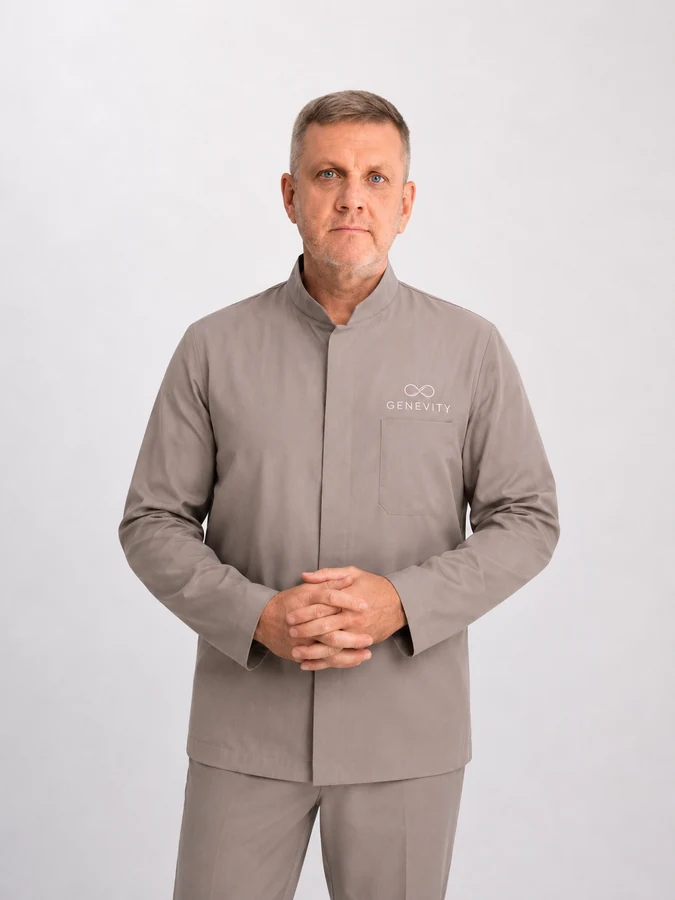
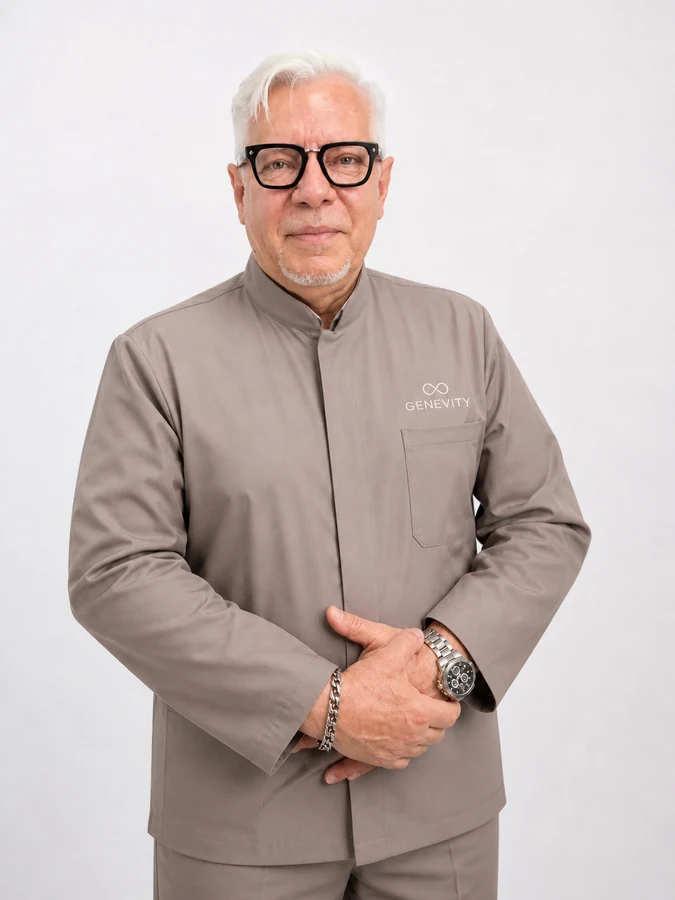
Harmash Serhii Kostiantynovych
Plastic Surgeon, Oncologist, Dermatologist
Experience: 41 years
Learn MoreYou may also be interested in
Abdominoplasty
Abdominoplasty at GENEVITY is the surgical correction of the abdominal wall: removal of excess skin and fat and, where indicated, repair of separated abdominal muscles. It addresses what diet, exercise and liposuction cannot, and is planned at a stable weight.
Liposuction
Liposuction at GENEVITY is the surgical removal of localised fat deposits that persist at a stable weight and do not respond to diet or exercise. It reshapes the contours of specific areas, but it is not a weight-loss method: it addresses shape rather than body mass.
Body Contouring
Body contouring at GENEVITY is comprehensive surgical reshaping of the silhouette for cases where a single procedure is not enough. The plan may combine liposuction of several areas, removal of excess skin and work on the muscles, so that the proportions of the body are coherent rather than improved in one isolated area.
Contouring After Weight Loss
Body contouring after weight loss at GENEVITY removes the excess skin left behind by substantial weight loss. The operation completes work the patient has already done: it removes the folds of skin and fat that do not retract on their own and do not reduce with exercise.
Diastasis Correction
Diastasis correction at GENEVITY is the surgical repair of separation of the rectus abdominis muscles, which most often arises after pregnancy. The operation restores the abdominal wall and resolves the bulge that persists even at a normal weight and with regular exercise.
Facial Plastic Surgery
Facial plastic surgery at GENEVITY means an individual approach to aesthetic correction and rejuvenation. A facelift or neck lift, blepharoplasty, rhinoplasty, otoplasty and facial contouring each address different aesthetic and anatomical concerns. The plastic surgeon assesses the structure of the face, the condition of the tissues and the patient's wishes in order to establish whether surgery is appropriate, select a suitable technique and plan the recovery.
FAQ
The field includes abdominoplasty, liposuction, body contouring, contouring after substantial weight loss, and surgical repair of diastasis of the abdominal muscles.
No. These operations do not replace weight loss and do not treat obesity. They correct contours at a stable weight — what remains after weight loss, or what does not respond to diet and exercise.
Liposuction removes fat but does not remove excess skin or restore muscle. If the skin is stretched or there is diastasis, abdominoplasty is needed. If the skin is elastic and the problem is purely localised fat, liposuction is appropriate. The surgeon decides at examination.
Yes, where indicated. Abdominoplasty is often combined with diastasis repair and liposuction of the flanks. Whether a combined procedure is possible depends on its extent, the patient's health and the anaesthetic risk.
Surgery is usually considered no sooner than a year after delivery and once breastfeeding has ended, when the tissues have recovered and weight has stabilised. The doctor sets the exact timing.
If pregnancy is planned, surgery on the abdominal wall is usually deferred. Pregnancy stretches the tissues again and can lead to recurrent diastasis, altering the result achieved.
This depends on the operation and its extent. Liposuction of a single small area may be done under local anaesthesia with sedation, while abdominoplasty is performed under general anaesthesia.
This depends on the procedure. After liposuction initial recovery usually takes two to three weeks; after abdominoplasty, four to six. The final contours emerge over several months as swelling fully resolves.
Yes. A compression garment reduces swelling, supports the tissues in their new position and helps healing proceed evenly. The doctor sets how long it should be worn, depending on the extent of surgery.
The cost depends on the type of operation, the number of areas treated, its extent, the anaesthesia, the investigations and the length of the inpatient stay. An exact estimate is prepared after a consultation.
Book a consultation
Our specialists will create the optimal program for you
This information is for general awareness and does not replace a doctor's consultation.