The skin of the eyelids is the thinnest on the face, so age-related changes here are among the first to show. A drooping upper eyelid, bags, and excess skin under the eyes make the gaze look tired even after a full night’s rest. Blepharoplasty, one of the most sought-after operations in plastic surgery, helps correct these changes.
The doctors at the GENEVITY longevity and quality of life center in Dnipro explain who needs blepharoplasty, how correction of the upper and lower eyelids differs, and what recovery looks like.
What Is Blepharoplasty?
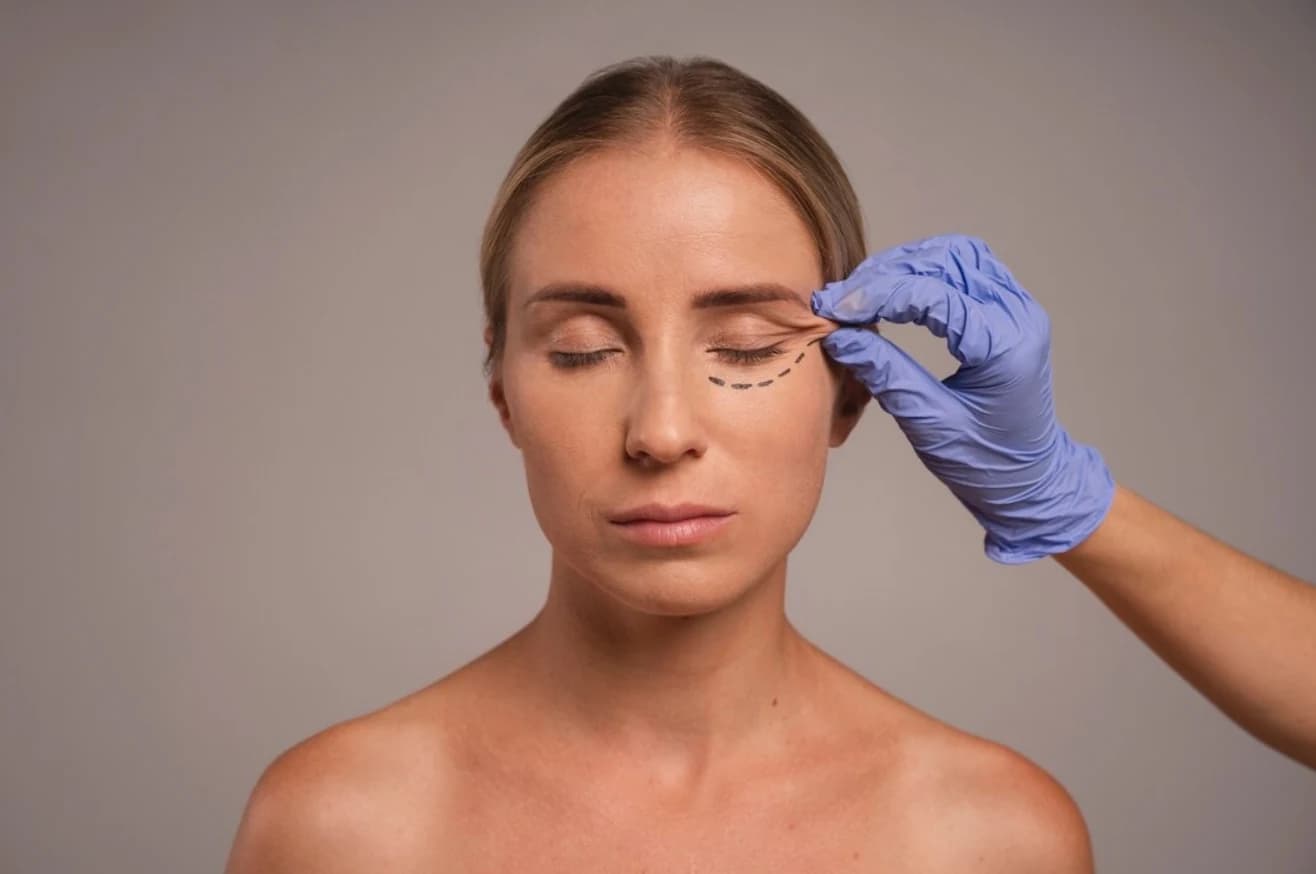
Blepharoplasty is a surgical correction of the upper or lower eyelids aimed at eliminating excess skin and fat herniation. During the operation, the surgeon removes excess skin and, if necessary, removes or redistributes fat tissue to smooth out folds and correct the contours of the eyelids.
When Might Upper Blepharoplasty Be Needed?
With age, the skin of the upper eyelids loses firmness, stretches, and begins to hang over the eyelashes. The main indications for blepharoplasty are:
excess skin forming a pronounced fold above the eye;
overhanging tissue that makes the gaze look heavy and tired;
fat herniation, more often noticeable at the inner corner of the eye;
restriction of the upper field of vision due to an overhanging fold.
With the first age-related changes, you can use device-based facial cosmetology methods, which help improve skin firmness and tighten tissues. With pronounced drooping of the upper eyelids caused by excess skin, blepharoplasty is recommended.
Indications for Lower Eyelid Blepharoplasty
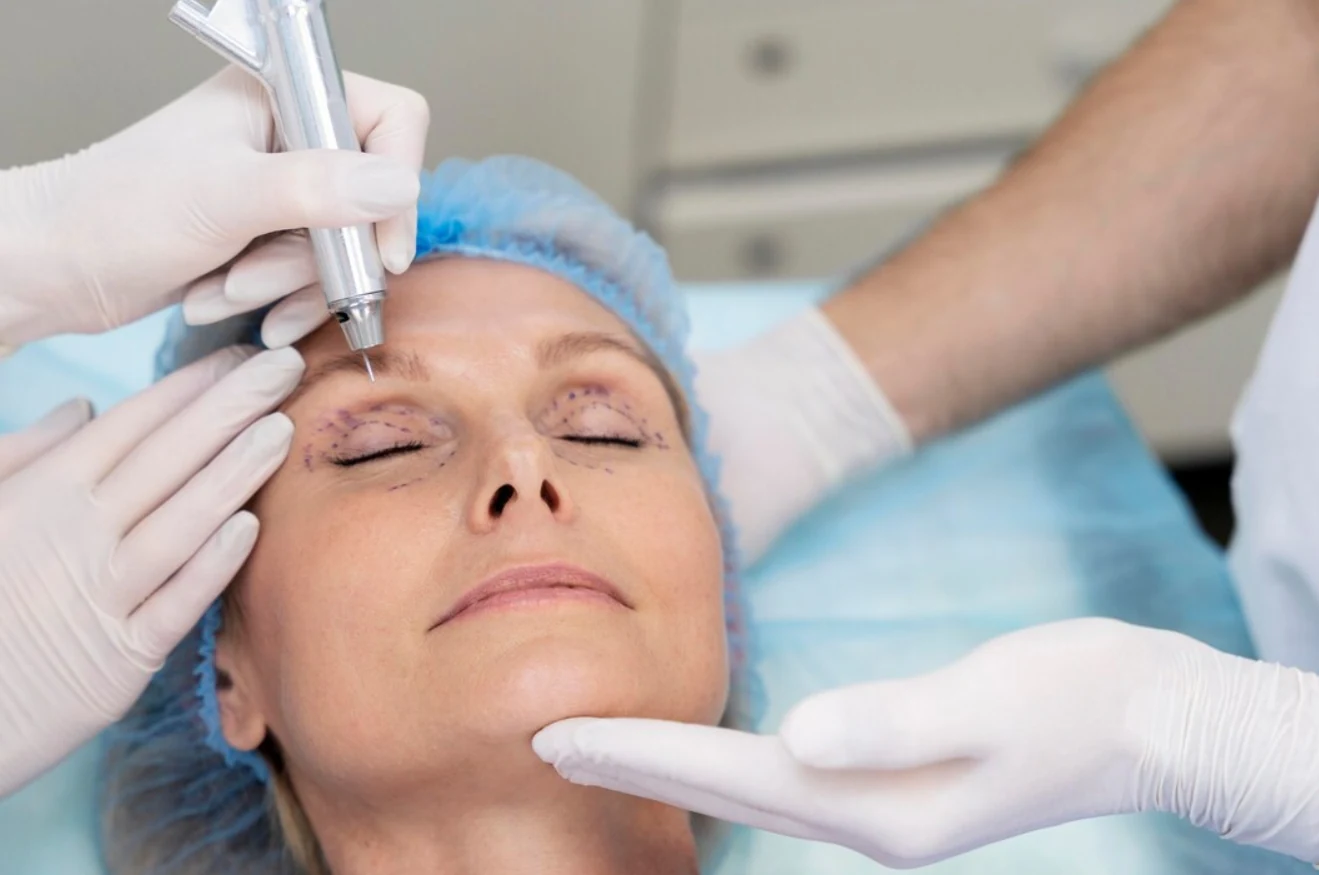
The main indications for lower blepharoplasty are fat herniation that causes bags under the eyes, excess skin, and pronounced folds on the lower eyelids. During the operation, the surgeon removes or redistributes fat tissue and, if necessary, removes excess skin. This helps eliminate the bags and smooth the transition from the lower eyelid to the cheek.
Comment from a GENEVITY plastic surgeon: “Patients often confuse swelling with fat herniation. If the bags under the eyes are noticeable in the morning and diminish by evening, it is most likely swelling. Herniation, on the other hand, persists throughout the day and does not depend on the amount of fluid you drink.”
What Is the Difference Between Operations on the Upper and Lower Eyelids?
In upper blepharoplasty, the surgeon removes excess skin, eliminates the drooping of the eyelid, and, if necessary, corrects fat herniation. Lower blepharoplasty is aimed mainly at eliminating bags under the eyes and correcting the contour of the lower eyelid. The surgical access also differs. On the upper eyelid, the incision is made in the natural fold; on the lower eyelid, it is made under the lash line or from the conjunctival side if skin removal is not required. With the transconjunctival approach, there are no external scars.
Who Might Be Recommended Blepharoplasty?
Blepharoplasty is more often performed after the age of 35–40, when age-related changes in the eyelids become more noticeable. However, there are no strict age limits: fat herniation can also appear in young people because of hereditary features of tissue structure. The decision to operate depends not so much on age as on the condition of the eyelids and the severity of the changes.
Indications for blepharoplasty are determined at a consultation with a plastic surgeon. The doctor assesses the condition of the skin, tissues, and muscles around the eyes and proposes a suitable correction option.

When Might Blepharoplasty Not Solve the Problem?
Blepharoplasty may not give the desired result if the complaints are related not to excess skin or fat herniation of the eyelids but to other changes in the eye area. For example, expression lines at the corners of the eyes are reduced with botulinum therapy, and for dark circles under the eyes, depending on their cause, device-based or injectable methods are used.
Comment from a GENEVITY plastic surgeon: “Sometimes a drooping upper eyelid is related to a descended brow. In that case, we discuss lifting this area. If the descent is moderate and the skin retains good tone, Ultraformer MPT can be used. This technique helps tighten the tissues of the upper third of the face without surgery.”
What Does Recovery After the Operation Look Like?
After blepharoplasty, swelling, bruising, and a feeling of tightness in the eyelids are possible. Sutures are usually removed on day 4–5, and patients return to their usual activities after 7–14 days. During rehabilitation, it is recommended to sleep with your head elevated, avoid makeup, and avoid physical exertion, bathhouses, and saunas. The final result is assessed after 3–6 months.
Book a consultation with a plastic surgeon at the GENEVITY longevity and quality of life center in Dnipro. The doctor will assess the condition of your eyelids, determine the indications for surgery, and propose a suitable method of correction.
This information is for general awareness and does not replace a doctor's consultation.

Author
Dmytro Detsyk