Neck Lift Surgery in Dnipro
Neck lift surgery (platysmaplasty) at GENEVITY is a surgical procedure designed to correct age-related changes in the neck and chin area, reduce sagging tissues and excess skin, and restore a more defined neck and chin contour. The plastic surgeon selects the most appropriate technique individually, taking into account anatomical features, skin and muscle condition, the extent of age-related changes, and the desired outcome.
What Is a Neck Lift and What Results Can You Expect?
As we age, the skin of the neck gradually loses firmness and elasticity, the platysma muscle weakens, and the distribution of fatty tissue changes. As a result, vertical neck bands, sagging skin, a less defined jawline, and a double chin may develop. Neck lift surgery helps correct these changes by repositioning and securing soft tissues, tightening or repairing the platysma muscle, and removing excess skin. Depending on individual indications, different techniques may be used, including platysmaplasty, cervicoplasty, or combined neck and lower facelift procedures. Unlike non-surgical cosmetic treatments, a surgical neck lift can address significant tissue sagging and excess skin. However, the procedure does not stop the natural aging process.
The final outcome depends on the initial condition of the tissues, the surgical technique used, individual healing characteristics, and adherence to postoperative recommendations.
Expected improvements after neck lift surgery may include
Restoration of a more defined neck and chin angle.
Reduction of sagging skin in the neck area.
Correction of vertical platysmal bands.
Reduction in the appearance of a double chin when medically appropriate.
Improvement of jawline definition.
More harmonious proportions of the lower face and neck.
Indications for Neck Lift Surgery
- Significant sagging of the neck skin.
- Loss of definition of the neck and chin angle.
- Visible vertical platysmal bands.
- Excess skin in the chin area.
- A double chin associated with excess tissue or localized fat deposits.
- Age-related changes in the lower face and neck.
- Reduced jawline definition caused by tissue descent.
- A desire to improve neck contours while maintaining natural proportions.
Contraindications for Neck Lift Surgery
- Acute infectious or inflammatory diseases.
- Decompensated cardiovascular conditions and other severe systemic diseases.
- Uncontrolled diabetes mellitus.
- Blood clotting disorders.
- Active infections or inflammatory processes in the surgical area.
- Pregnancy and breastfeeding.
- Medical conditions in which anesthesia or surgery involves an unacceptably high level of risk.
- Other individual restrictions identified by the physician.
A surgical neck lift may be recommended for patients with age-related or anatomical changes that cannot be adequately corrected using non-invasive or minimally invasive treatments. The need for neck lift surgery is not determined by age alone. Anatomical features, the condition of the skin, platysma muscle and fatty tissue, overall health, and patient expectations are important factors. As a neck lift is a surgical procedure, a consultation with a plastic surgeon, preoperative medical assessment, and an anesthesiology consultation are required before surgery.
How Is Neck Lift Surgery Performed?
Consultation with a Plastic Surgeon
The surgeon assesses the condition of the neck skin, platysma muscle tone, the extent of fatty deposits, soft tissue positioning, and jawline definition. The patient's expectations, potential outcomes, limitations, and surgical risks are discussed. Based on the examination, the surgeon determines whether surgery is appropriate and selects the most suitable technique.
Preoperative Preparation
The patient undergoes the necessary laboratory tests, diagnostic examinations, an anesthesiology consultation, and additional specialist consultations if indicated. The physician provides instructions regarding preparation, medication use, and preoperative precautions.
Neck Lift Surgery
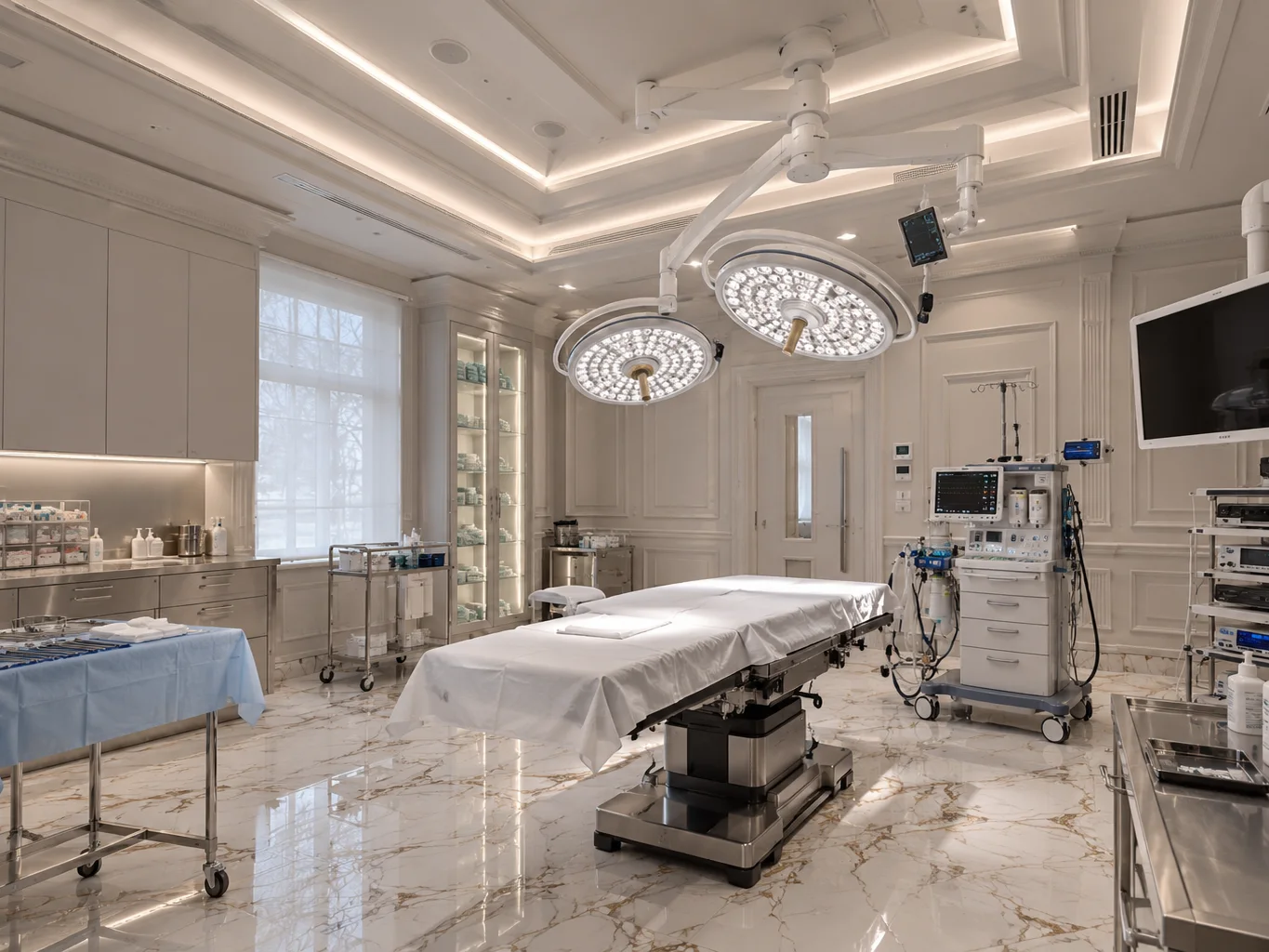
The procedure is performed in an operating room with appropriate anesthesia and monitoring. Depending on the surgical technique, the surgeon makes incisions beneath the chin, around the ears, or in other anatomically appropriate locations. When necessary, the procedure may include tightening or repairing the platysma muscle, repositioning and securing soft tissues, removing excess skin, or correcting localized fat deposits. The extent of surgery depends on the selected technique and the patient's individual surgical plan.
Postoperative Monitoring
After surgery, the patient remains under medical supervision. Special dressings or compression garments may be used. The length of the hospital stay depends on the patient's condition and the extent of the procedure.
Recovery and Follow-Up
During the first few days, swelling, bruising, a sensation of tightness, and temporary changes in skin sensitivity may occur. The surgeon schedules follow-up appointments and provides recommendations regarding incision care, physical activity, and returning to everyday activities. Initial recovery usually takes 2–4 weeks. The final outcome is assessed after swelling gradually subsides and the tissues heal over the following months.
Benefits of Neck Lift Surgery at GENEVITY
Personalized Surgical Planning — The surgical technique is selected based on neck anatomy, the condition of the platysma muscle, the severity of age-related changes, and individual aesthetic goals.
A Comprehensive Approach to Rejuvenation — The plastic surgeon evaluates the skin, muscles, fatty tissue, and proportions of the lower face and neck.
Correction of Pronounced Signs of Aging — Surgical techniques can address excess skin and tissue sagging when non-surgical aesthetic treatments are insufficient.
Preservation of Natural Proportions — Surgical planning focuses on improving the contours of the neck and chin without unnecessarily altering the patient's natural appearance.
Medical Care and Follow-Up — Preoperative assessment, anesthesia management, and postoperative follow-up appointments are essential components of surgical care.
It is important to understand that neck lift surgery, like any surgical procedure, involves certain risks. These may include bleeding, hematomas, infection, impaired wound healing, scarring, asymmetry, and possible injury to nerve structures. All significant risks are discussed before surgery.
Before / After
Real results of GENEVITY patients. Drag the divider to see the change.
 BeforeAfter

- Treated area:
- Face and neck
Photos are published with patient consent. Results are individual and depend on the starting condition, age and adherence to the doctor's recommendations.
Our Medical Team
Consultations are provided by specialists across multiple disciplines, ensuring a comprehensive approach to your health


Harmash Serhii Kostiantynovych
Plastic Surgeon, Oncologist, Dermatologist
Experience: 41 years
Learn MoreYou may also be interested in
Facial Plastic Surgery
Facial plastic surgery at GENEVITY means an individual approach to aesthetic correction and rejuvenation. A facelift or neck lift, blepharoplasty, rhinoplasty, otoplasty and facial contouring each address different aesthetic and anatomical concerns. The plastic surgeon assesses the structure of the face, the condition of the tissues and the patient's wishes in order to establish whether surgery is appropriate, select a suitable technique and plan the recovery.
Facelift Surgery
Facelift surgery (rhytidectomy) at GENEVITY is a surgical procedure designed to correct age-related changes in the face and neck, restore facial definition, remove excess skin, and address sagging soft tissues. The plastic surgeon selects the most appropriate surgical technique individually, taking into account facial anatomy, tissue condition, and the desired outcome.
Facial Contouring
Facial contouring at GENEVITY involves individually selected aesthetic correction methods designed to improve the contours of the lower face, reduce the appearance of jowls, enhance the chin area, and restore a more defined jawline. Depending on tissue condition and medical indications, surgical or non-surgical techniques may be considered. The goal is to improve facial harmony while preserving natural features and individual appearance.
FAQ
There is no universally recommended age for neck lift surgery. The procedure may be considered when significant skin sagging, vertical platysmal bands, or other changes requiring surgical correction are present. The decision depends on tissue condition, overall health, and individual medical indications.
Platysmaplasty specifically involves surgical correction of the platysma muscle. A neck lift is a broader term that may include platysmaplasty, removal of excess skin, correction of fatty deposits, and other surgical techniques depending on individual indications.
Initial recovery usually takes 2–4 weeks, although the timeframe depends on the extent of surgery and individual healing characteristics. Residual swelling may continue to decrease, scars may mature, and the final result may develop over several months.
Yes. Neck lift surgery involves incisions, which may be placed beneath the chin, around the ears, or along natural skin creases, depending on the technique. Scars may become less noticeable over time, but completely scar-free healing cannot be guaranteed.
Yes, in certain cases. If a double chin is caused by excess skin, tissue sagging, or localized fat deposits, surgical correction may improve the contour of this area. The appropriate technique depends on individual anatomical features.
The results of a surgical neck lift may last for many years. Their longevity depends on the surgical technique, tissue condition, lifestyle, and individual characteristics. The procedure does not stop the natural aging process.
Appropriate anesthesia is used during the procedure. During recovery, patients may experience discomfort, swelling, and a sensation of tightness. The surgeon prescribes appropriate medication to manage postoperative pain.
Yes. When medically appropriate, a neck lift may be performed together with a facelift. This allows for comprehensive correction of age-related changes in the lower face and neck. The plastic surgeon determines whether the procedures can be safely combined after assessing the extent of surgery and associated risks.
The cost depends on the selected surgical technique, the extent of the procedure, the type of anesthesia, the need for inpatient monitoring, and other aspects of treatment. An individualized cost estimate is provided after a consultation with a plastic surgeon.
It is recommended to prepare information about previous surgeries, chronic medical conditions, allergies, and any medications you are currently taking. It is also helpful to identify which changes in the neck area concern you most and what results you hope to achieve.
Book a consultation
Our specialists will create the optimal program for you
This information is for general awareness and does not replace a doctor's consultation.