Otoplasty in Dnipro
Otoplasty at GENEVITY is a surgical procedure designed to correct the shape, position, and proportions of the ears, addressing prominent ears, asymmetry, and other anatomical concerns. The procedure helps create more balanced ear contours in harmony with facial features while preserving a natural appearance. The plastic surgeon selects the most appropriate technique individually, taking into account cartilage structure, tissue condition, and the desired outcome.
What Is Otoplasty and What Results Can You Expect?
The shape and position of the ears depend on the cartilage framework, the definition of natural ear folds, and the angle between the ears and the head. In some individuals, these anatomical characteristics may cause prominent ears, noticeable asymmetry, or disproportionate ear contours. Otoplasty allows these features to be corrected surgically. Depending on individual indications, the surgeon may reshape the cartilage, create or enhance natural ear folds, adjust the position of the ears, or correct certain deformities. The procedure may be performed for aesthetic or reconstructive purposes. Standard cosmetic otoplasty, which changes the external shape of the ear, generally does not affect hearing.
The final outcome depends on the initial anatomy, the surgical technique used, individual healing characteristics, and adherence to postoperative recommendations.
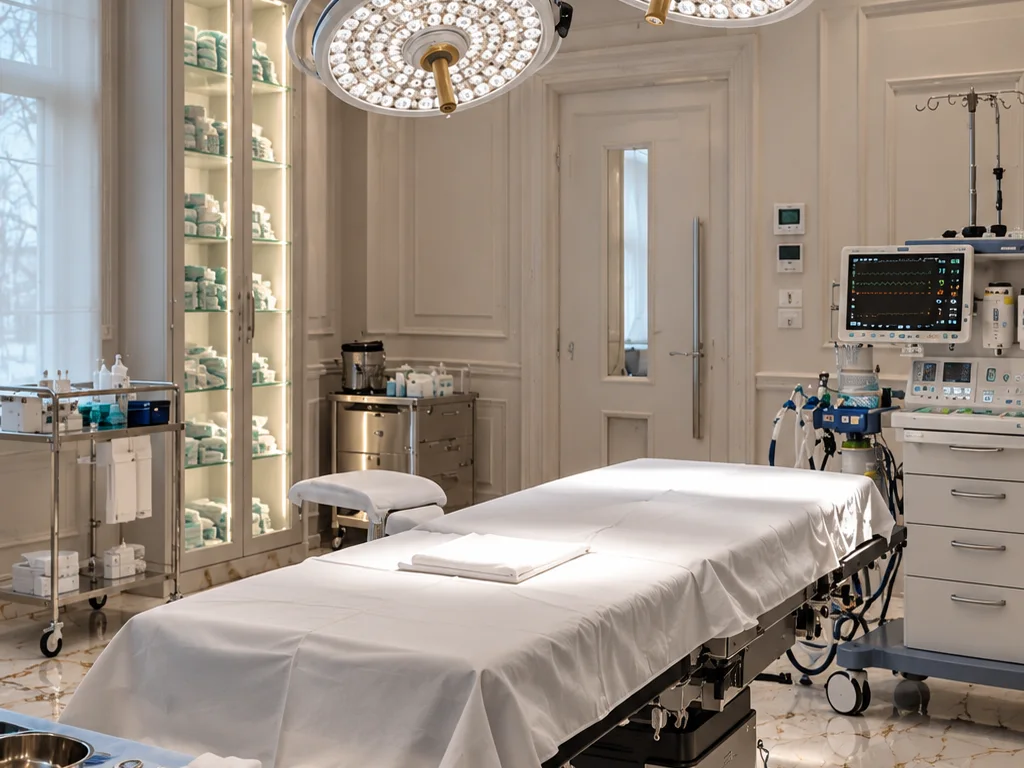
Expected improvements after otoplasty may include
Reduction in the prominence of protruding ears.
Correction of ear position relative to the head.
Improved ear symmetry.
Creation of more natural ear contours.
Correction of certain congenital or acquired deformities.
Improved harmony between ear proportions and facial features.
Indications for Otoplasty
- Prominent or protruding ears.
- Significant asymmetry in ear shape or position.
- An underdeveloped antihelical fold.
- Excessive prominence or enlargement of certain parts of the ear.
- Congenital variations in ear shape.
- Ear deformities following injury.
- Dissatisfaction with the results of previous otoplasty.
- A desire to improve ear proportions while maintaining a natural appearance.
Contraindications for Otoplasty
- Acute infectious or inflammatory diseases.
- Active infections or inflammatory conditions affecting the ears.
- Uncontrolled diabetes mellitus.
- Blood clotting disorders.
- Decompensated cardiovascular conditions and other severe systemic diseases.
- Medical conditions in which anesthesia or surgery involves an unacceptably high level of risk.
- Pregnancy and breastfeeding.
- Other individual restrictions identified by the physician.
Otoplasty may be recommended for patients with anatomical or aesthetic ear concerns that require surgical correction. The need for surgery is determined individually based on ear anatomy, cartilage and skin condition, overall health, and patient expectations. As otoplasty is a surgical procedure, a consultation with a plastic surgeon and a preoperative medical assessment are required before surgery. An additional consultation with an otolaryngologist (ENT specialist) may be recommended when necessary.
How Is Otoplasty Performed?
Consultation with a Plastic Surgeon
The surgeon assesses the shape, size, symmetry, and position of the ears, the characteristics of the cartilage framework, and skin condition. The patient's expectations, potential outcomes, limitations, and surgical risks are discussed. Based on the examination, the surgeon selects the most appropriate correction technique.
Preoperative Preparation
The patient undergoes the necessary examinations and specialist consultations when indicated. The physician provides instructions regarding preparation, medication use, and preoperative precautions. The choice of anesthesia depends on the patient's age, the extent of surgery, and individual medical factors.
Ear Reshaping Surgery
Otoplasty may be performed under local or general anesthesia, depending on individual indications. The surgeon usually makes an incision behind the ear or in another anatomically appropriate location. During the procedure, the cartilage may be reshaped, a natural ear fold may be created, or the ear's position relative to the head may be adjusted. After the correction is complete, the incisions are closed with sutures and a protective dressing is applied.
Postoperative Monitoring
After surgery, the patient remains under medical supervision. The surgeon evaluates tissue condition, provides aftercare instructions, and schedules follow-up appointments. Depending on the extent of surgery and the type of anesthesia, the patient may return home the same day or require additional observation.
Recovery and Follow-Up
During the first few days, swelling, bruising, mild to moderate pain, tightness, and temporary changes in skin sensitivity may occur. To protect the ears, the surgeon may recommend wearing a special headband, including while sleeping. Initial recovery usually takes 1–2 weeks, although complete healing and stabilization of the results may take longer.
Benefits of Otoplasty at GENEVITY
Personalized Surgical Planning — The surgical technique is selected based on ear anatomy, cartilage structure, and individual aesthetic goals.
Correction of Various Anatomical Features — Surgical techniques can adjust the shape, position, and proportions of the ears.
Preservation of a Natural Appearance — Surgical planning focuses on improving ear harmony without positioning the ears unnaturally close to the head or excessively altering their natural contours.
Correction of Ear Asymmetry — Otoplasty can reduce noticeable differences between the ears, although perfect symmetry cannot be guaranteed.
Medical Care and Follow-Up — Preoperative assessment, appropriate anesthesia, and postoperative follow-up appointments are essential components of surgical care.
Otoplasty, like any surgical procedure, involves certain risks. These may include bleeding, hematomas, infection, impaired wound healing, scarring, asymmetry, changes in sensation, and partial recurrence of ear prominence. All significant risks are discussed before surgery.
Our Medical Team
Consultations are provided by specialists across multiple disciplines, ensuring a comprehensive approach to your health
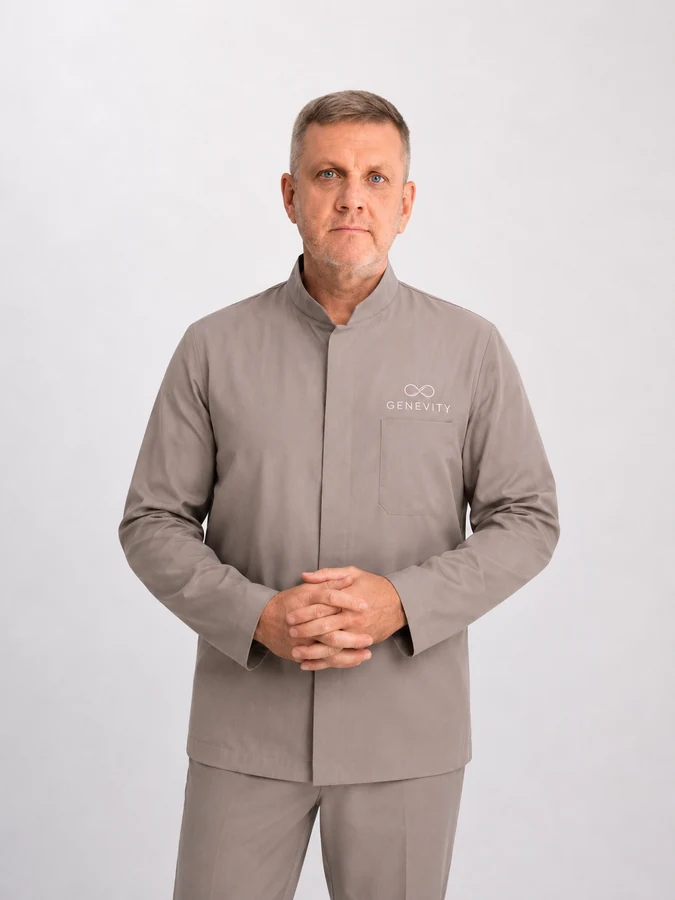
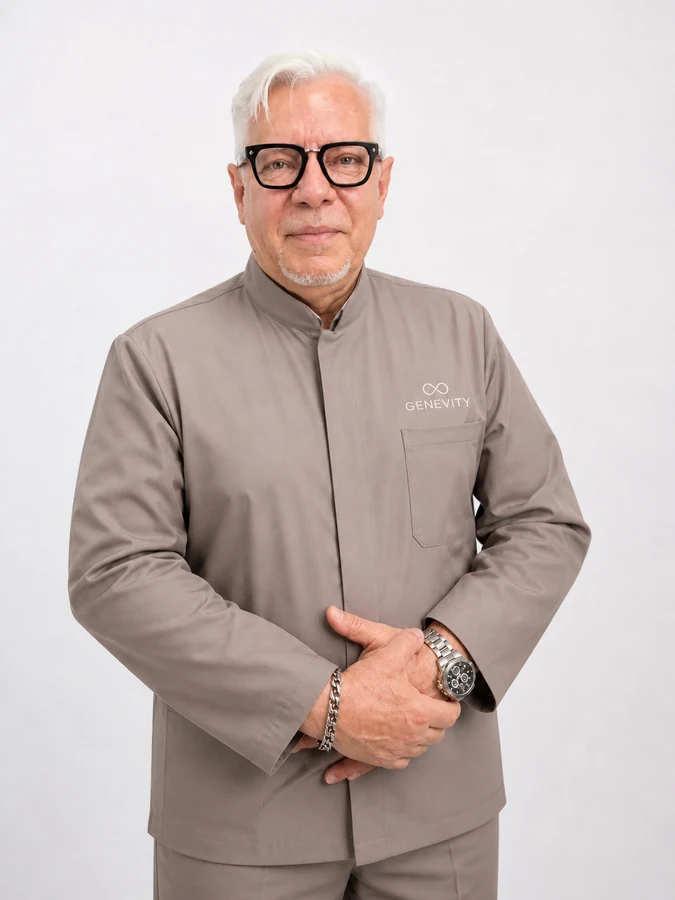
Harmash Serhii Kostiantynovych
Plastic Surgeon, Oncologist, Dermatologist
Experience: 41 years
Learn MoreYou may also be interested in
Facial Plastic Surgery
Facial plastic surgery at GENEVITY means an individual approach to aesthetic correction and rejuvenation. A facelift or neck lift, blepharoplasty, rhinoplasty, otoplasty and facial contouring each address different aesthetic and anatomical concerns. The plastic surgeon assesses the structure of the face, the condition of the tissues and the patient's wishes in order to establish whether surgery is appropriate, select a suitable technique and plan the recovery.
Rhinoplasty
Rhinoplasty at GENEVITY is the surgical correction of the shape, size and proportions of the nose, aimed at harmonising facial features and addressing individual aesthetic concerns. Where there are appropriate indications, the operation can be combined with correction of the structures that affect nasal breathing. The plastic surgeon selects the technique individually, taking into account the anatomy of the nose, the condition of the tissues, functional considerations and the desired result.
FAQ
Otoplasty is often considered once the ears have developed sufficiently, usually around the age of 5–6. For children, the decision is made individually based on anatomy, health, and psychological readiness. Adults may undergo the procedure at various ages if there are no contraindications.
Yes. Correction of prominent ears is one of the most common reasons for otoplasty. During surgery, the surgeon can reshape the cartilage and adjust the position of the ears relative to the head.
Standard cosmetic otoplasty focuses on reshaping the external ear and generally does not affect hearing. If the patient has an underlying ear condition or hearing difficulties, an additional ENT consultation may be required.
Initial recovery usually takes 1–2 weeks. During this period, swelling and discomfort gradually decrease. Final stabilization of the ear shape may take several months.
Yes. Otoplasty involves surgical incisions, which are most commonly placed behind the ears, where they are less noticeable. Scars may fade over time, but completely scar-free healing cannot be guaranteed.
Appropriate anesthesia is used during the procedure. After surgery, patients may experience mild to moderate pain, swelling, and a sensation of pressure. The surgeon prescribes medication for pain management and provides aftercare instructions.
Yes. Otoplasty can help reduce asymmetry in ear shape or position. However, some natural anatomical differences may remain, and perfectly identical ears cannot be guaranteed.
After surgery, the surgeon may recommend a protective headband, including during sleep, to reduce the risk of accidental ear injury. The recommended duration of use depends on the individual surgical plan.
The results are generally long-lasting. However, healing characteristics, cartilage properties, and injuries may affect the final ear shape. In some cases, revision surgery may be necessary.
The cost depends on the complexity of the procedure, whether one or both ears require correction, the selected surgical technique, the type of anesthesia, and other aspects of treatment. An individualized cost estimate is provided after a consultation with a plastic surgeon.
Book a consultation
Our specialists will create the optimal program for you
This information is for general awareness and does not replace a doctor's consultation.