Lip augmentation is one of the most sought-after injectable techniques. However, due to the high sensitivity and blood supply characteristics of this area, the effects of injections can be more noticeable than after correcting other parts of the face. In this article, specialists at Genevity’s center for longevity and quality of life explain what’s important to consider before the procedure, which reactions are considered normal, when you need to urgently see a doctor, and how to properly care for your lips in the first days after correction.
Lip augmentation: what’s important to know before the procedure?
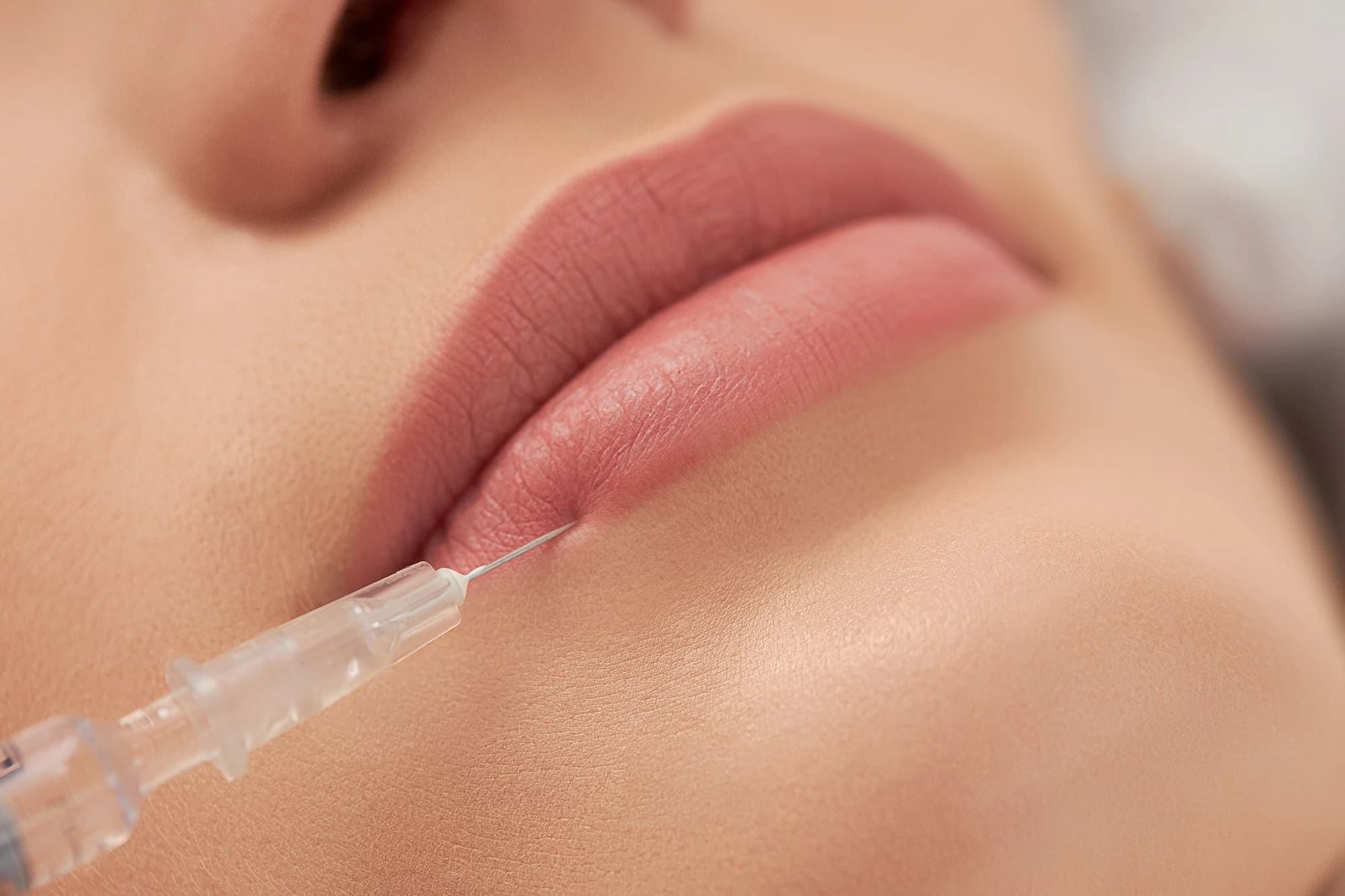
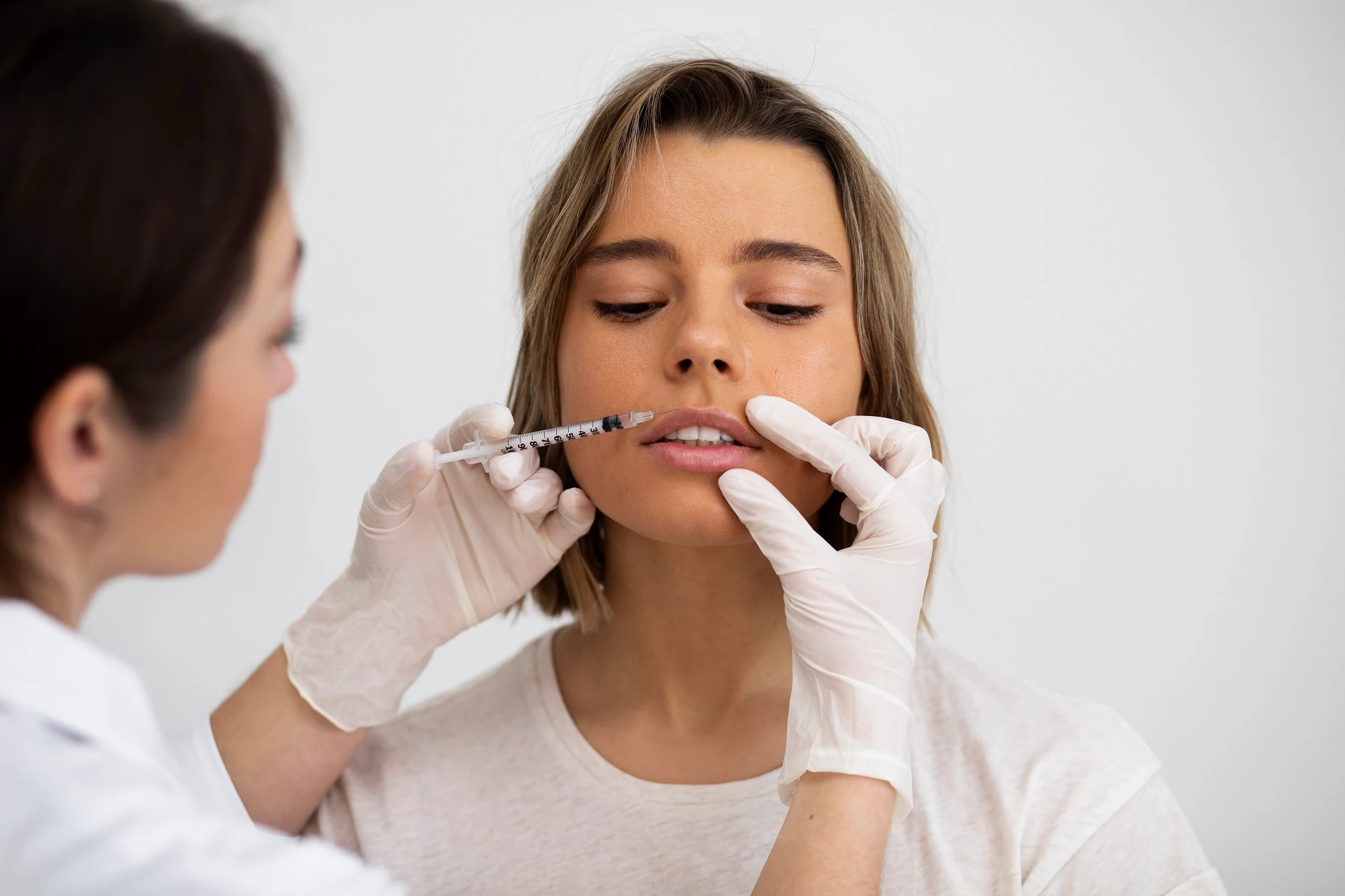
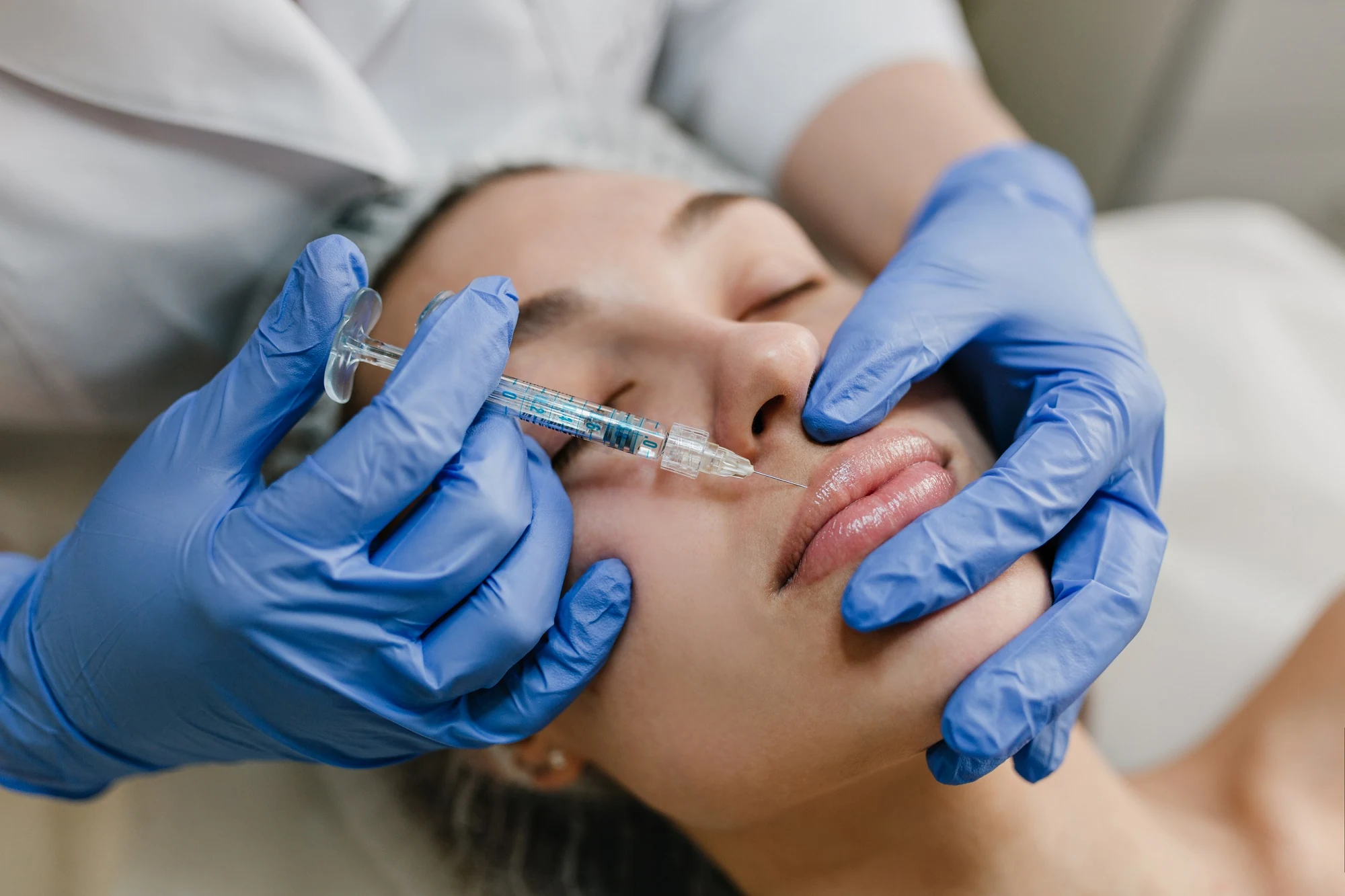
Lip augmentation is one of the methods of contour plasty. The procedure is performed using fillers based on hyaluronic acid. The doctor precisely injects the product to correct the volume, shape, and contour of the lips, as well as to add extra hydration to the tissue.
The result and the course of the recovery period depend not only on the product chosen and the injection technique, but also on individual anatomical features. That’s why, before correction, the doctor assesses the condition of the tissues, rules out contraindications, and explains in advance what to expect in the first days after the injections.
What contraindications does lip augmentation have?
The procedure is performed only in the absence of conditions that could increase the risk of complications or affect tissue healing. That’s why, already at the consultation, the doctor explains when lip injections shouldn’t be done and in which cases it’s better to postpone correction. The main restrictions include:
pregnancy and breastfeeding;
a flare-up of lip herpes — in this case, antiviral prophylaxis is needed beforehand;
active inflammatory processes and infections in the injection area;
taking anticoagulants — increases the risk of bruising;
allergy to hyaluronic acid or the product’s components;
a tendency to form keloid scars, and autoimmune diseases.
Some contraindications to lip augmentation are temporary. For herpes, inflammation, or infection, the procedure is postponed until symptoms resolve and treatment is complete. If the patient is taking anticoagulants, the doctor assesses the possibility of correction individually.
What sensations are possible after the procedure?
Right after the injections, the lips may look more voluminous due to tissue swelling. For injectable cosmetology procedures, this reaction is considered expected. On the first day, a feeling of fullness, mild soreness, and increased sensitivity are also possible. These symptoms usually gradually decrease and disappear within a few days.
Swelling, pain, and lumps after lip augmentation
The most pronounced swelling occurs in the first 24–48 hours and noticeably subsides by day 3–5. Lumps at the filler injection sites are also considered normal at this stage — the gel is gradually distributing through the tissue. The final lip shape is assessed after 10–14 days, once the swelling has completely resolved.
Why might lips bruise after the procedure?
After lip augmentation, bruises may appear at the injection sites due to damage to small blood vessels. They usually have clear borders, gradually change color, and go away on their own within a few days.
A rarer side effect after lip augmentation is impaired blood supply to the tissue. This complication can occur if the filler enters a blood vessel or compresses it. Unlike a regular bruise, this is accompanied by severe pain, pronounced skin blanching, or a marbled pattern. In this situation, you need to see a doctor.
Symptoms that need attention: when is urgent medical consultation necessary?
Even before the procedure, a Genevity cosmetologist explains which signs may indicate a complication after lip augmentation and require urgent medical attention. These include:
sharp or worsening pain;
blanching of the lip skin or surrounding tissue;
coldness of the skin in the correction area;
increasing darkening of the tissue;
spread of blue discoloration beyond the injection site;
worsening symptoms within the first 24 hours.
If the cause is related to impaired blood flow, the doctor may inject hyaluronidase to dissolve the filler and restore blood supply to the tissue.
Care after lip augmentation
In the first 1–2 days after the procedure, the lips may remain sensitive and swollen. During this period, it’s recommended to touch the correction area as little as possible and not massage the lips without a doctor’s recommendation. In the first hours, a cold compress can help reduce swelling.
What shouldn’t you do after the procedure?
In the first 24–48 hours after lip augmentation, it’s recommended to follow a few restrictions:
don’t visit a sauna or steam bath;
avoid intense physical activity;
don’t drink alcohol;
don’t use lipstick, gloss, or other lip products on the first day;
brush your teeth gently to avoid injuring the injection sites;
don’t take aspirin or anti-inflammatory drugs without a doctor’s prescription.
These recommendations help reduce swelling, lower the risk of bruising, and avoid additional tissue trauma in the first days after the procedure.
When can you return to your usual routine?
Most patients return to their normal activities the very next day after the procedure. Slight swelling and sensitivity may persist for a few more days. The final result is usually assessed after about 2 weeks.
The effect of lip augmentation lasts an average of 6–12 months. At Genevity’s center for longevity and quality of life, the doctor explains in advance how recovery works, which reactions are considered normal, and which symptoms require attention.
This information is for general awareness and does not replace a doctor's consultation.