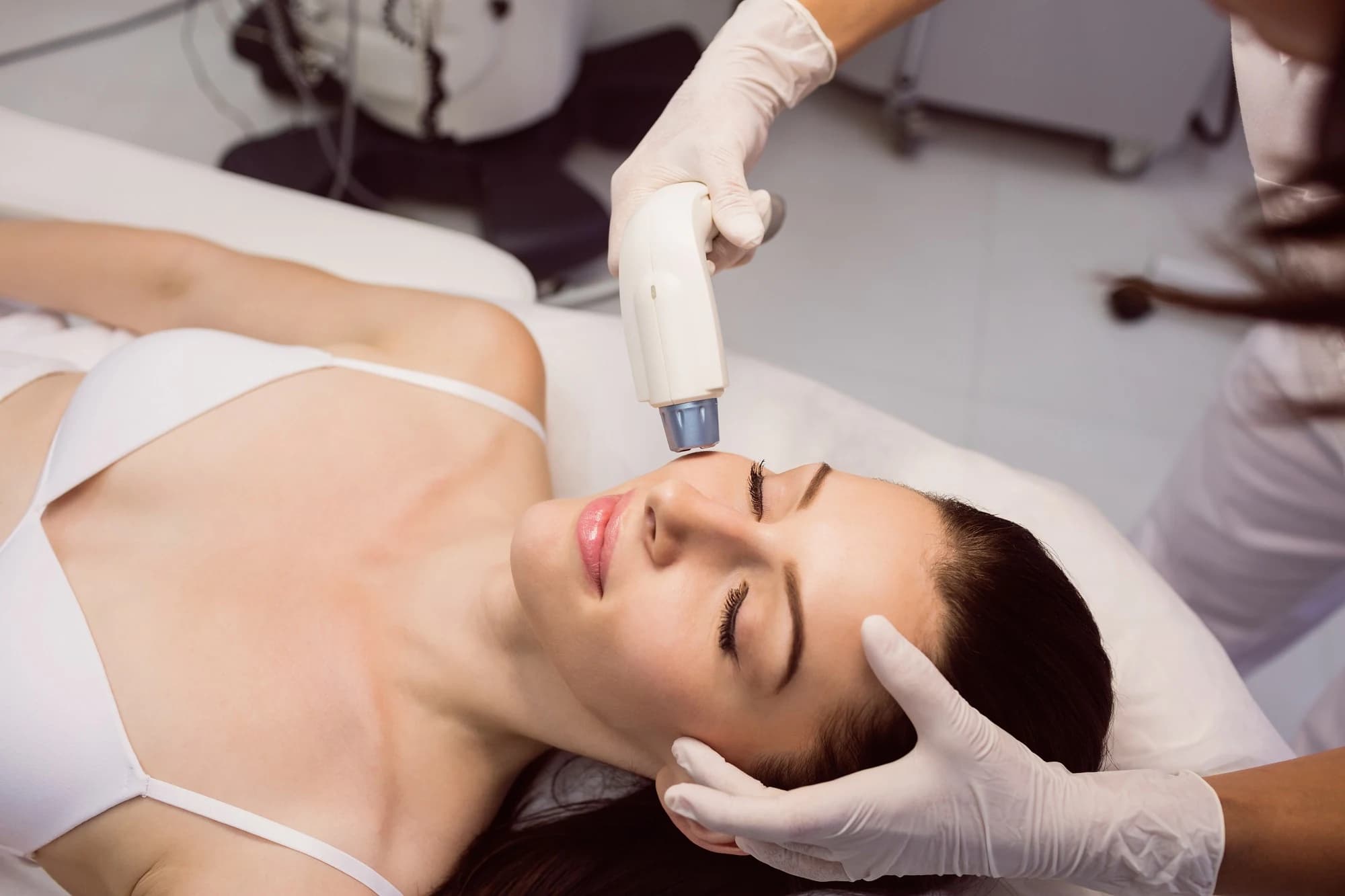
By the end of summer, pigment spots often become more noticeable. Under the effect of ultraviolet light, melanin production increases, making the skin’s tone look less even. Photorejuvenation — a device-based technique aimed at breaking down excess pigment — works well against this kind of pigmentation. In this article, specialists at Genevity’s center for longevity and quality of life explain what this technology is about, who it’s suitable for, and what result to expect after a course of procedures.
Why do pigment spots appear on the skin after summer?
In summer, the skin receives a higher dose of ultraviolet radiation. In response, melanocytes produce melanin more actively — a pigment that partly protects cells from damage. With intense or regular sun exposure, melanin is distributed unevenly and accumulates in larger amounts in certain areas. This is how new pigment spots appear, or existing ones become more noticeable.
What is facial photorejuvenation?
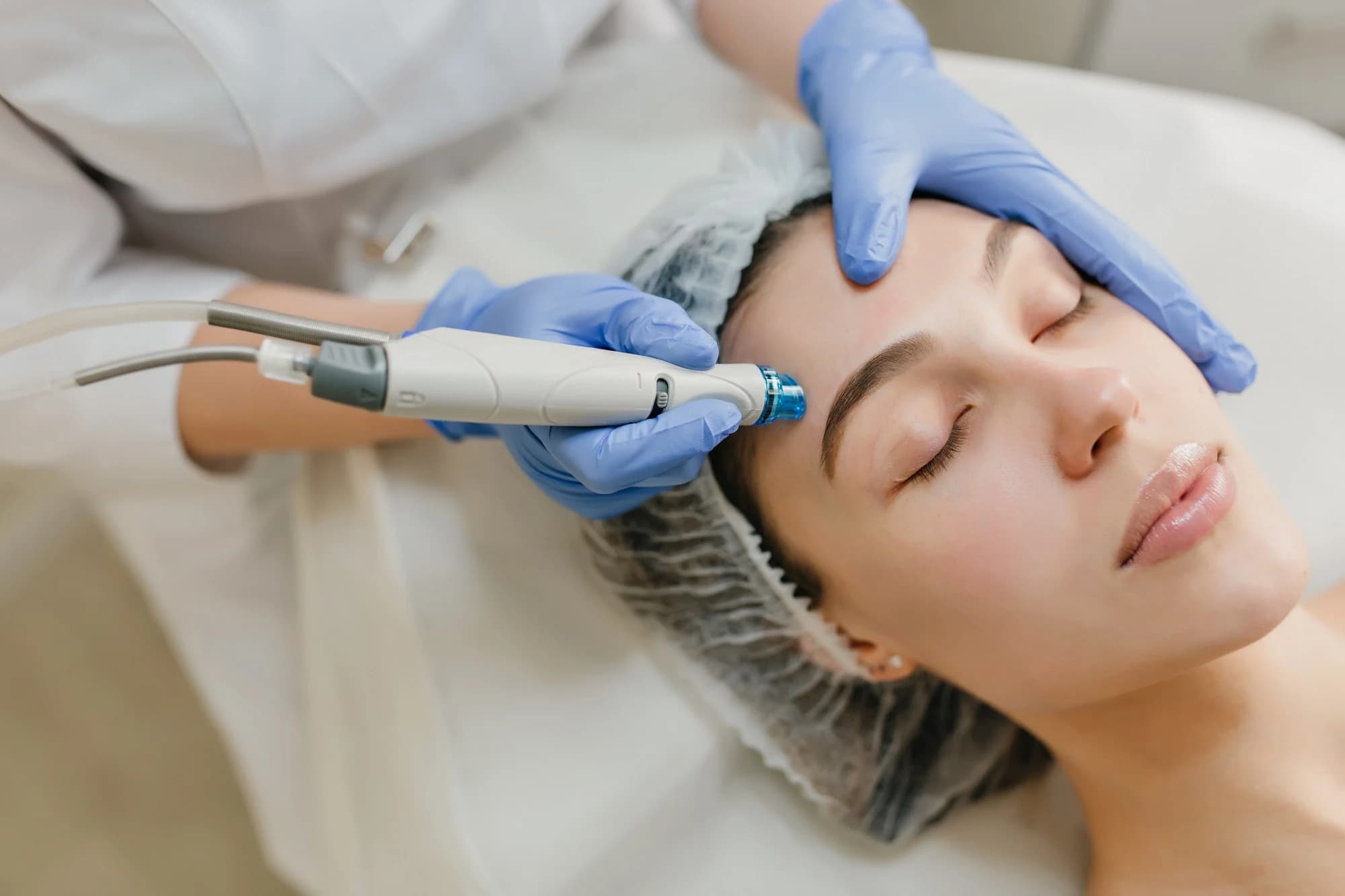
Photorejuvenation is a device-based facial cosmetology procedure based on the effect of intense pulsed light. At Genevity’s center for aesthetic medicine, it’s performed on the M22 Stellar Black platform. The method is used to correct pigment spots, spider veins, redness, and uneven skin tone. The treatment area can include the face, neck, décolleté, and other exposed areas of skin.
How does photorejuvenation help fight pigmentation?
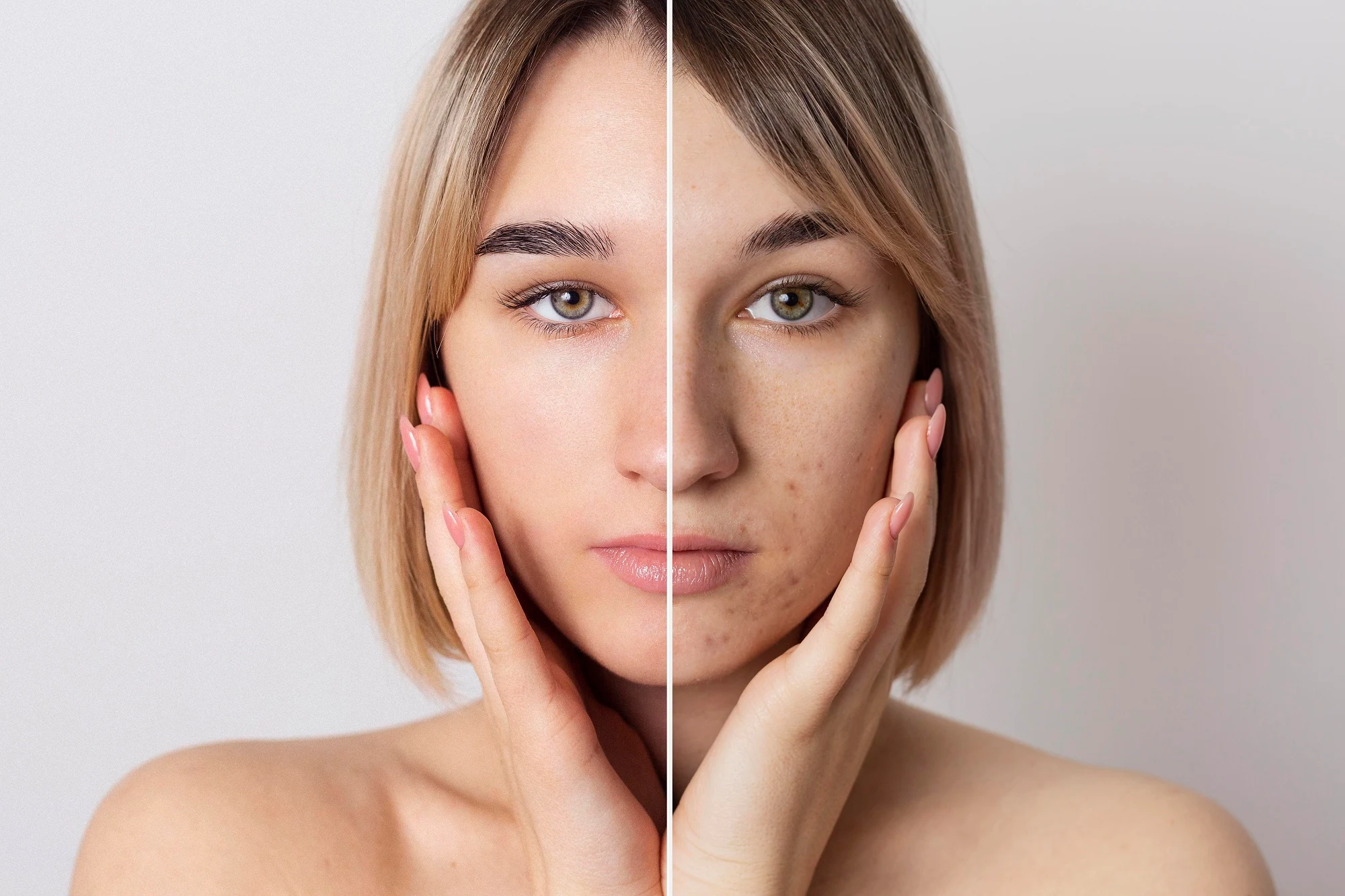
During the procedure, light is absorbed by melanin, of which there’s more in pigment spots than in the surrounding skin. Under the effect of the pulse, the pigment heats up and breaks down. The damaged pigmented cells then gradually move to the skin’s surface and exfoliate. In before-and-after photos of facial photorejuvenation, you can usually clearly see how pigment spots lighten and skin tone evens out over a course.
Comment from a Genevity cosmetologist: “Pigmentation can have different origins — solar lentigines, post-inflammatory spots, melasma. Melasma, for example, requires a more careful approach, since overly aggressive treatment can make it worse. That’s why before the procedure we always determine the type of pigmentation, and only then select the treatment parameters.”
What other skin problems does the procedure help solve?
Besides pigmentation, photorejuvenation is used to correct other aesthetic skin changes:
spider veins and couperose;
redness and uneven facial tone;
fine wrinkles and other signs of photoaging;
enlarged pores and uneven skin texture.
If the main goal isn’t to even out overall skin tone but to remove specific pigment spots, the doctor may recommend targeted pigmentation removal on the M22 Stellar Black platform.
How does facial photorejuvenation work?
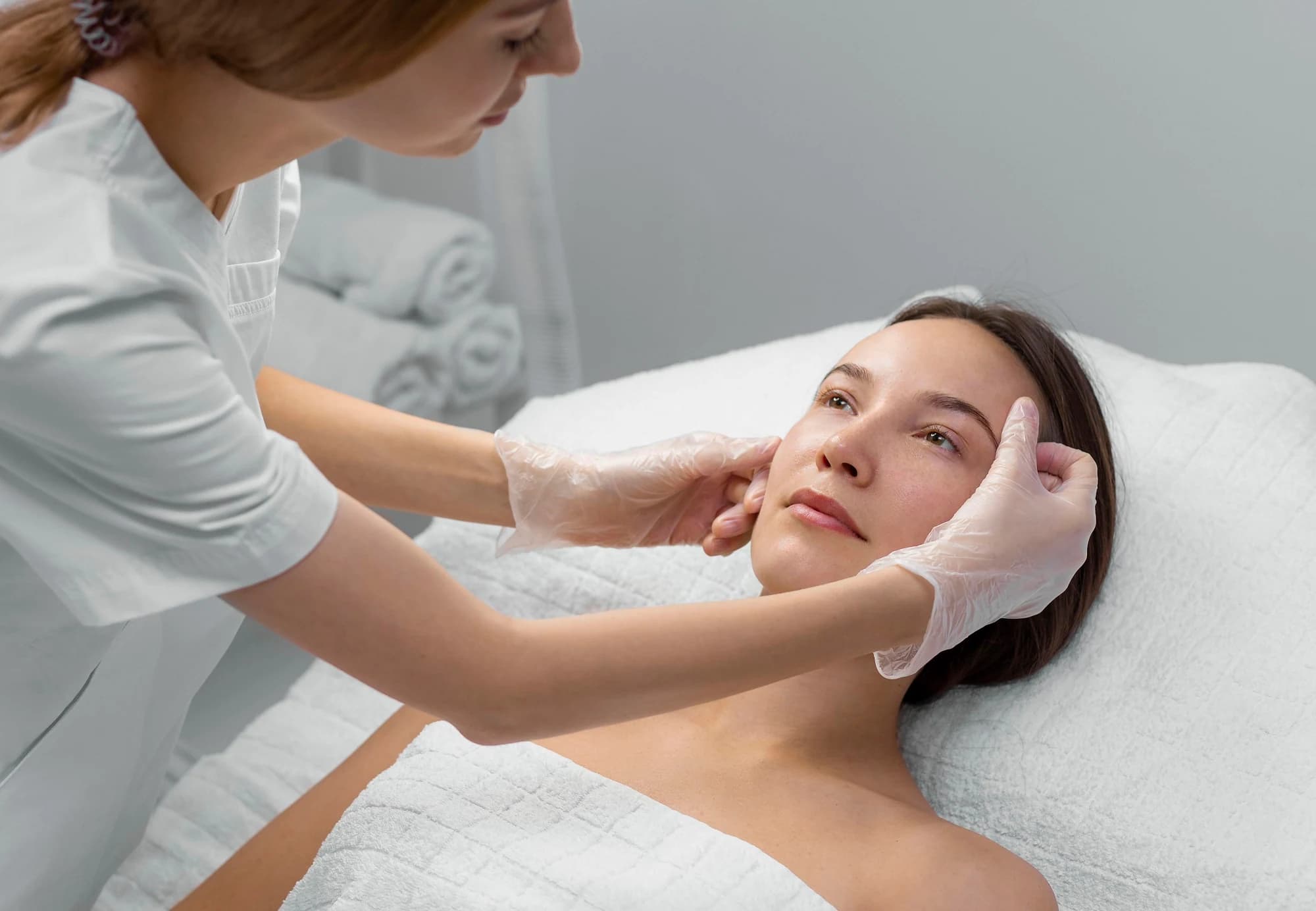
Before the procedure, the doctor examines the skin, assesses the phototype and nature of the pigmentation, in order to select the appropriate filter and light pulse parameters. Suspicious pigmented lesions require separate diagnosis and aren’t treated with IPL without prior evaluation.
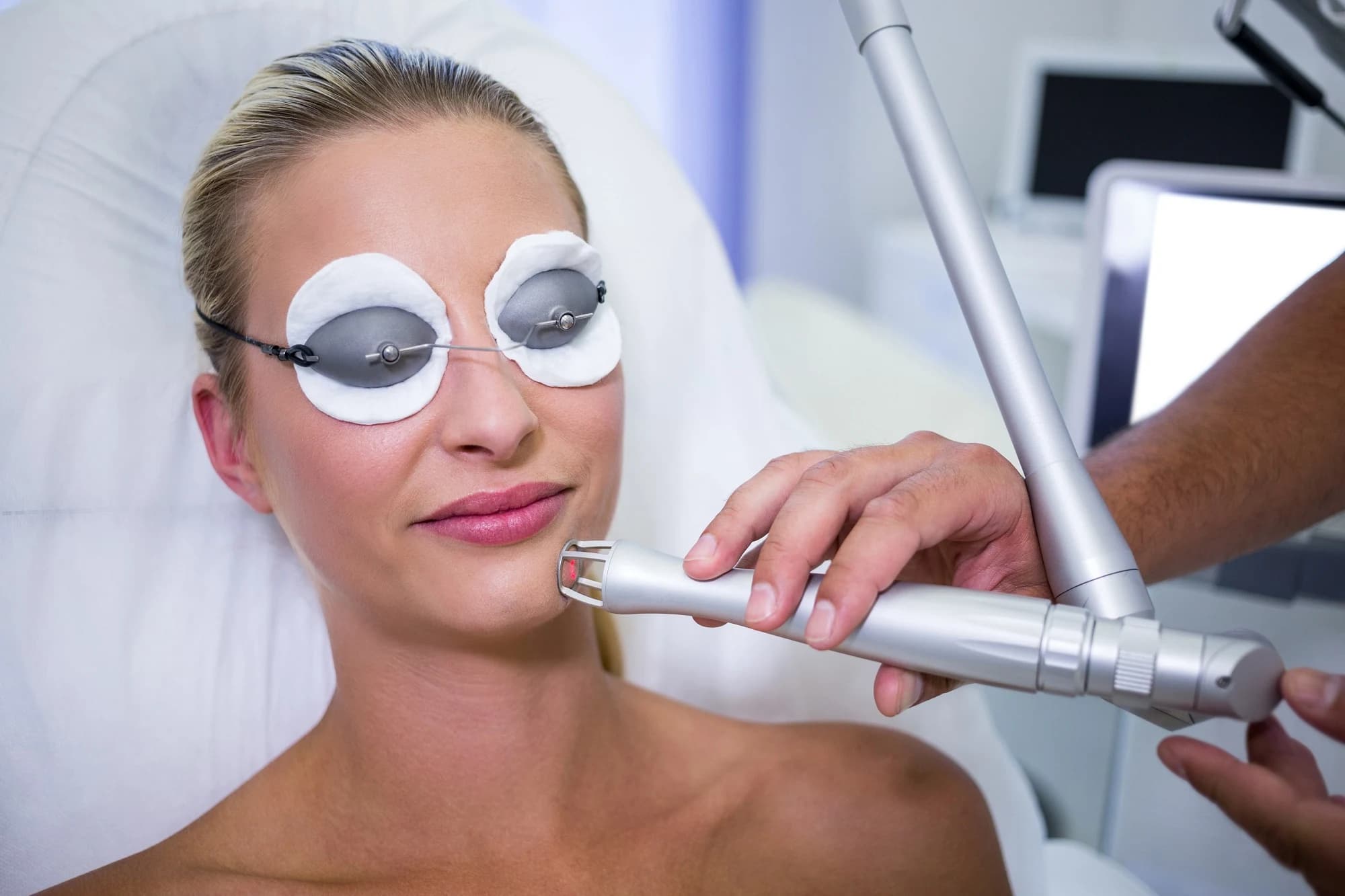
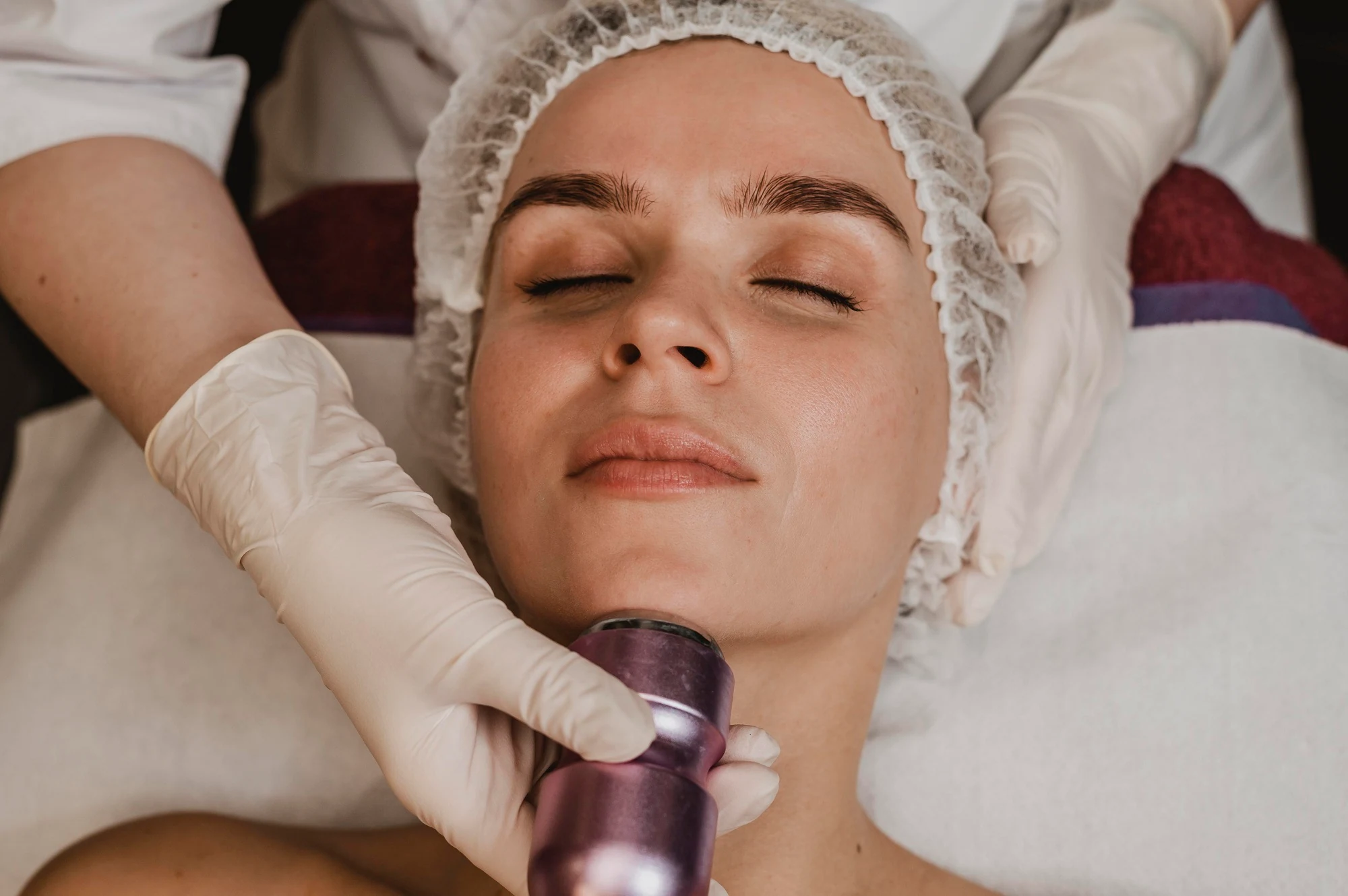
The skin is cleansed, the eyes are protected with special goggles, and contact gel is then applied to the treatment area. If needed, the doctor performs a test pulse and assesses the skin’s reaction, then sequentially treats the selected facial areas. Contact cooling of the applicator helps protect the skin from overheating, making the procedure more comfortable.
Comment from a Genevity cosmetologist: “Don’t be alarmed if a spot gets darker after the procedure. That’s a typical reaction for IPL. The pigment absorbs the light energy and is damaged. Within a few days it will gradually start to fade. If a scab forms, don’t remove it — it should come off on its own.”
Photorejuvenation: how many procedures are needed?
A course usually includes 3–5 procedures with an interval of 3–4 weeks. The exact number depends on the type and depth of pigmentation. Solar lentigines often lighten faster, while post-inflammatory pigmentation may require longer correction and additional at-home care.
Skin recovery after photorejuvenation
No lengthy rehabilitation is needed after the procedure. In the first hours, the skin may remain slightly red, sensitive, or swollen, and these effects gradually pass. For several days, it’s worth avoiding scrubs, acids, retinoids, and other products that can irritate the skin. Until full recovery, it’s important to avoid intense sun exposure and apply SPF 50 sunscreen daily to reduce the risk of pigmentation returning.
Photorejuvenation: contraindications and possible side effects
IPL affects melanin and hemoglobin, so in certain conditions light energy may be absorbed differently by the skin and increase the risk of unwanted reactions. Photorejuvenation isn’t performed in cases of:
recent tanning or a recent tanning bed visit;
active inflammation, herpes, or infection in the treatment area;
skin damage;
taking photosensitizing medications;
pregnancy and breastfeeding;
suspicious pigmented lesions in the treatment area;
certain cancers and during active treatment.
Comment from a Genevity cosmetologist: “With properly selected parameters, photorejuvenation is generally well tolerated. Burns and persistent pigmentation changes are rare and are usually associated with recent tanning, increased skin sensitivity to light, or not following the recommendations before and after the procedure.”
If new pigment spots have appeared on your skin after summer, or existing ones have become more noticeable, you can get a consultation with a cosmetologist at Genevity’s center for longevity and quality of life and choose a suitable correction method. IPL rejuvenation helps even out skin tone and reduce the effects of UV exposure without a lengthy recovery period.
This information is for general awareness and does not replace a doctor's consultation.