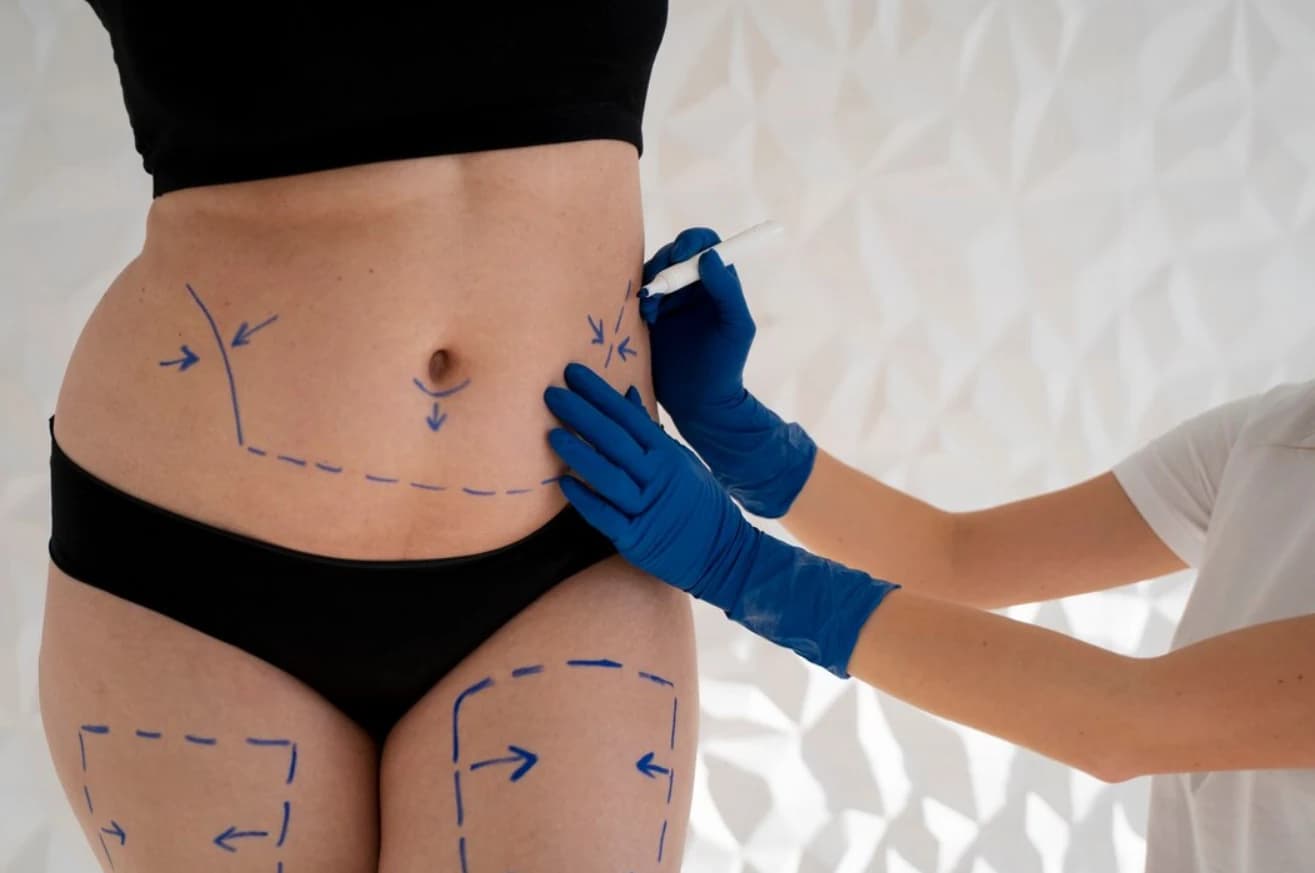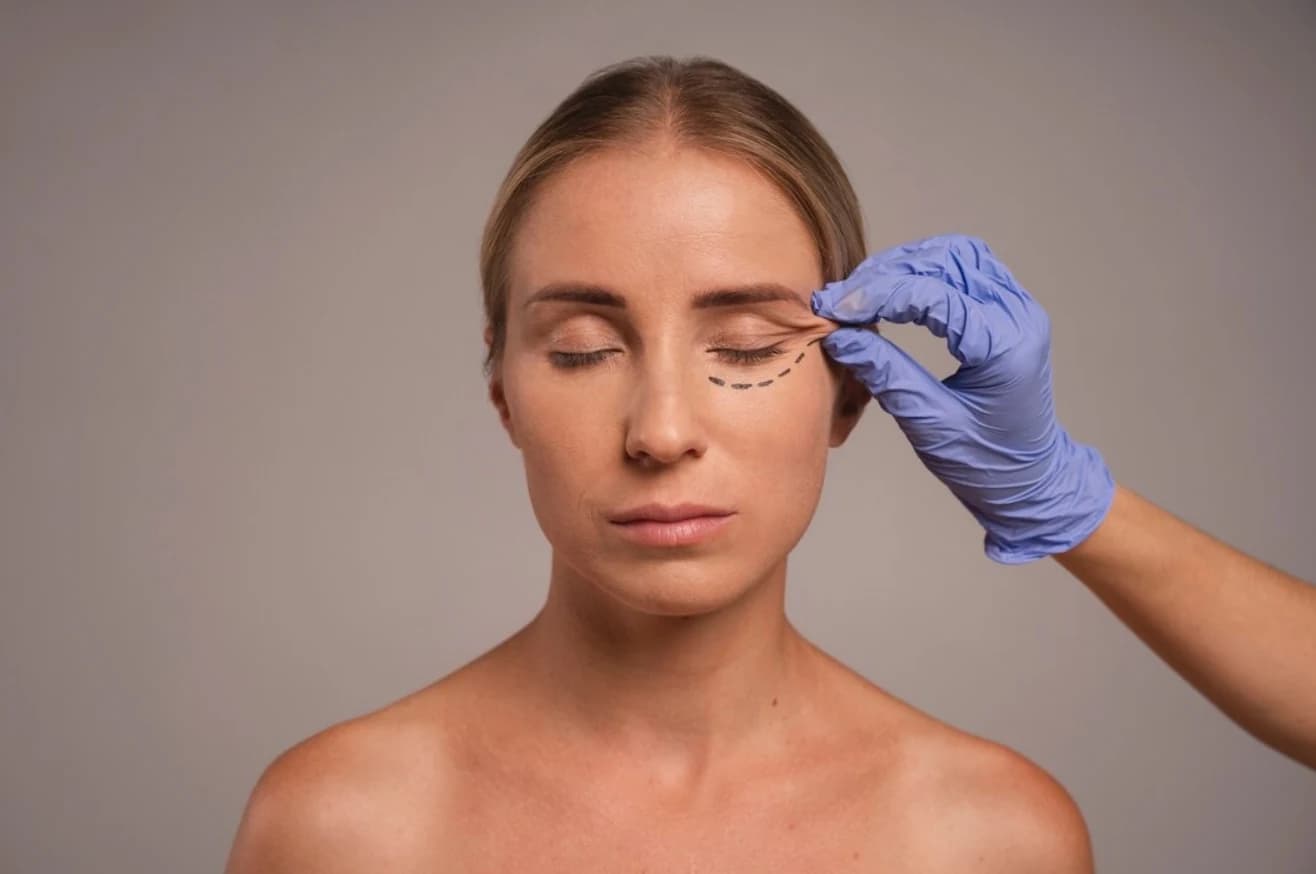

Preparation for rhinoplasty begins long before the operation itself. The patient needs to undergo an examination, discuss the desired changes to the shape of the nose with the surgeon, and observe certain restrictions. This helps identify possible contraindications, reduce the risk of complications, and create conditions for a favorable recovery. The plastic surgeons at the GENEVITY longevity and quality of life center in Dnipro explain how to prepare for rhinoplasty, which tests need to be taken, and what to keep in mind in the first days after the operation.
What Does Preparation for Rhinoplasty Include?
Preparation for correcting the shape of the nose usually takes 2–4 weeks, although the exact timing depends on the patient’s health and the extent of the planned intervention. During this time, you need to agree on the date of the operation, undergo examinations, and consult with an anesthesiologist. At the GENEVITY longevity and quality of life center, preparing patients for plastic surgeries includes the necessary examinations, specialist consultations, and an assessment of readiness for surgical intervention.
Consultation with a Plastic Surgeon Before the Operation
At the first stage of preparation — the consultation with a plastic surgeon — the patient discusses the desired changes to the shape of the nose: removing a hump, eliminating asymmetry, correcting the tip or the width of the nostrils. The doctor assesses the structure of the bones and cartilage, the thickness of the skin, the condition of the septum, and nasal breathing. Based on the examination, the surgeon determines the method of operation and explains the specifics of recovery.
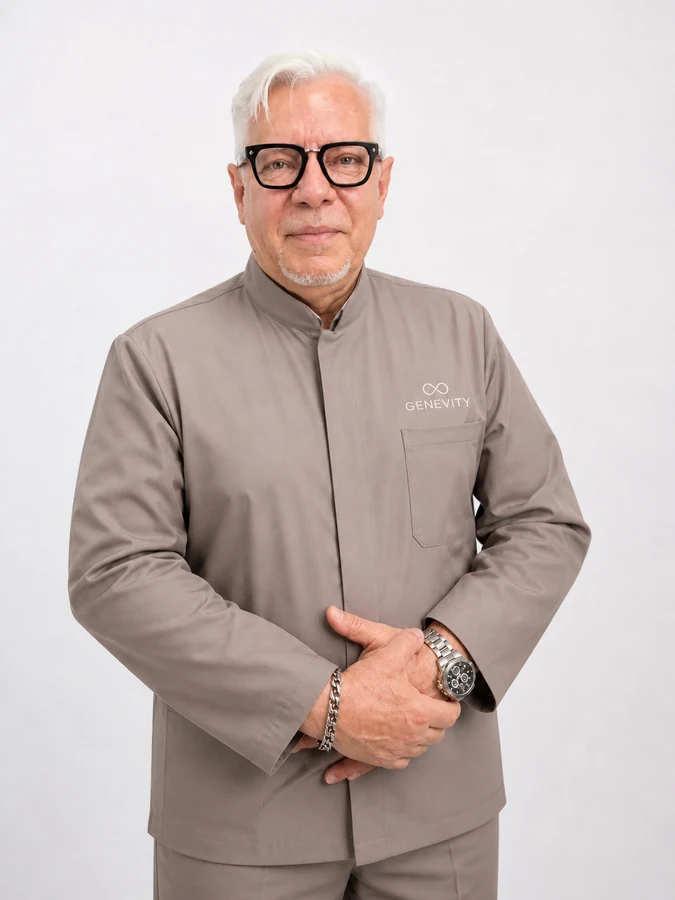
Comment from a GENEVITY plastic surgeon: “You can bring photographs showing examples of the nose shape you want to the consultation. That way we can understand more precisely what result you want to achieve and discuss the details of the upcoming operation.”

What Tests Might Be Needed Before Rhinoplasty?
The exact list of examinations is determined by the surgeon based on the patient’s health. Tests before rhinoplasty usually include:
a complete blood count and blood chemistry;
a coagulogram;
blood group and Rh factor determination;
tests for infections, including HIV and hepatitis B and C.
In addition, the patient needs consultations with a general practitioner and an anesthesiologist, as well as an ECG. The doctor may prescribe additional examinations as indicated.
You can complete preoperative diagnostics at the GENEVITY longevity and quality of life center. Most tests are performed in our own laboratory. Results are ready within 1–3 working days, depending on the test.
What Restrictions Might Apply Before the Operation?
In the weeks before rhinoplasty, the doctor may recommend that you:
quit smoking;
avoid alcohol;
discuss the use of aspirin, ibuprofen, anticoagulants, and other medications that affect blood clotting;
temporarily stop taking certain vitamins, dietary supplements, and herbal additives;
avoid strict diets and maintain a full, balanced eating routine;
On the eve of the operation, you usually cannot eat for 6 hours or drink for 2 hours before anesthesia.
Comment from a GENEVITY plastic surgeon: “It is best to quit smoking as early as possible, preferably several weeks before the operation. Nicotine impairs the blood supply to the tissues and can slow healing.”
What Should You Tell the Doctor Before Rhinoplasty?
Be sure to tell the surgeon about any chronic diseases, allergies, previous nose operations, and the medications you take, including hormonal drugs and dietary supplements. Bring the results of recent examinations and medical records with you. If a runny nose, cough, or fever appears before the operation, tell the doctor right away.
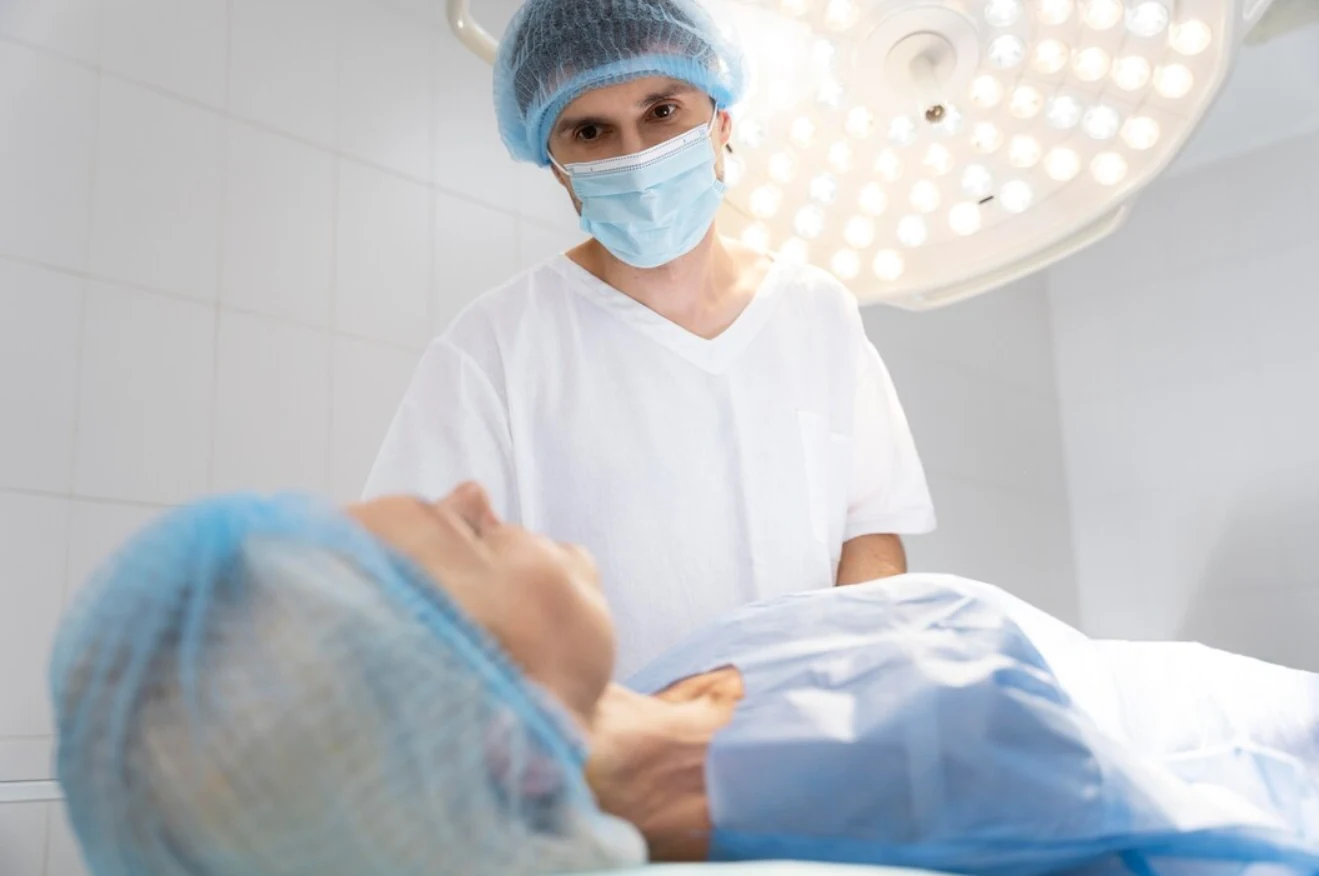
The GENEVITY longevity and quality of life center in Dnipro has separate rooms for patients recovering after surgical interventions. During their stay in the inpatient unit, patients are under the constant supervision of medical staff.
What Is Important to Consider in the First Days After the Operation?
In the first days of rehabilitation, swelling, bruising around the eyes, and difficulty breathing through the nose are possible. The fixing dressing is usually removed after 7–10 days. Until then, it is recommended to sleep with your head elevated, avoid bending over, and not blow your nose. Visits to the bathhouse or sauna and intense physical exertion should be avoided for 4–6 weeks. The surgeon will specify when you can return to your usual activities.
Book a consultation with a plastic surgeon at the GENEVITY longevity and quality of life center in Dnipro. The doctor will assess the indications for surgery, draw up a preparation plan, and answer all your questions about recovery.
This information is for general awareness and does not replace a doctor's consultation.