
According to a study by the European Academy of Facial Plastic Surgery, about 5% of patients required a repeat operation after primary rhinoplasty. The most common causes were asymmetry of the nasal bridge, difficulty breathing through the nose, and dissatisfaction with the shape of the tip.
The plastic surgeons at the GENEVITY longevity and quality of life center in Dnipro explain in which cases secondary rhinoplasty is necessary, why it is more complex than primary surgery, and how long afterward a repeat surgical intervention can be planned.
What Is Repeat Rhinoplasty?
Repeat, or secondary, rhinoplasty is performed when, after a previous operation, additional correction of the shape of the nose or restoration of nasal breathing is needed. Such an intervention is usually more complex than the primary one because of the altered anatomy: part of the cartilage may have been removed or moved, and scar tissue forms in the tissues.
Comment from a GENEVITY plastic surgeon: “In repeat rhinoplasty, it sometimes turns out that the nose’s own cartilage is not enough for the necessary correction. In that case, we can use cartilage from the ear or rib. Such operations require special precision and careful preparation, which is why secondary rhinoplasty is considered one of the most complex areas of plastic surgery.”
In Which Cases Might a Repeat Operation Be Needed?
The reasons for a repeat intervention can be aesthetic or functional. The main indications are:
the shape of the nose or its tip does not meet expectations;
asymmetry or irregularities of the bridge appeared after healing;
nasal breathing has deteriorated;
the nose was injured after the first operation.
The surgeon makes the final decision only after the tissues have fully recovered and the swelling has gone down.
Secondary Rhinoplasty After a Change in the Shape of the Nose
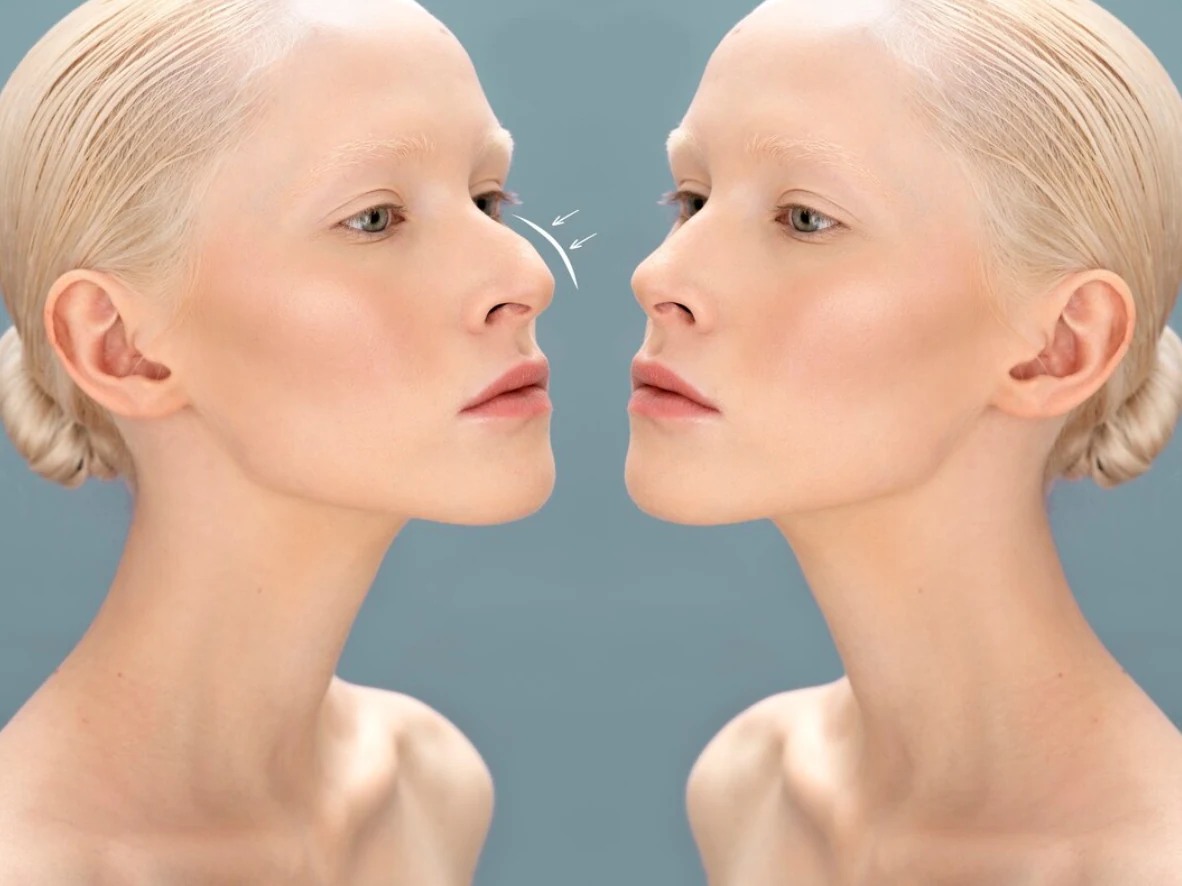
After the first rhinoplasty, the shape of the nose does not always match the patient’s expectations. Even after healing, irregularities of the bridge or asymmetry may remain. Sometimes a repeat tip rhinoplasty is performed if, after the first surgical intervention, the tip turned out too upturned, drooping, or asymmetrical.
With minor irregularities, a secondary operation is not always needed. After the tissues have fully recovered, non-surgical nose contouring can sometimes be done. During the procedure, the doctor injects fillers to smooth out slight asymmetry and visually even out the profile.
When Might a Repeat Operation Be Needed to Correct the Septum?
Repeat functional rhinoplasty is needed if difficulty breathing through the nose persists or appears after the first operation. The cause may be a residual deviation of the septum, narrowing of the nasal passages, or weakening of the cartilage. In such a case, the surgeon restores breathing while preserving the aesthetics of the nose.
Comment from a GENEVITY plastic surgeon: “The nasal valve is the narrowest part of the airway inside the nose. Even a slight narrowing in this area can make breathing noticeably harder. That is why, before repeat rhinoplasty, we assess how the anatomical structures have changed after the first intervention and what needs to be corrected.”
How Long After the First Operation Can Repeat Rhinoplasty Be Done?
Repeat rhinoplasty is usually planned no earlier than 12 months after the first operation. During this time, the swelling decreases, scar tissue matures, and the shape of the nose stabilizes. An earlier intervention may be required in cases of serious breathing problems or the consequences of an injury.
During a consultation, the plastic surgeon will assess the condition of the tissues and explain when repeat rhinoplasty can be done in your particular case.
How Many Times Can Rhinoplasty Be Done?
There is no strict limit on the number of operations. The possibility of a repeat intervention depends on the condition of the skin, the cartilage, and the blood supply to the tissues. However, it should be kept in mind that with each surgical intervention the amount of scar tissue increases, which complicates subsequent correction.
What Do Preparation and Recovery After a Repeat Operation Look Like?
Preparation for repeat rhinoplasty includes an examination, an assessment of the condition of the nasal tissues, and preoperative examinations: blood tests, an ECG, and other studies as indicated.
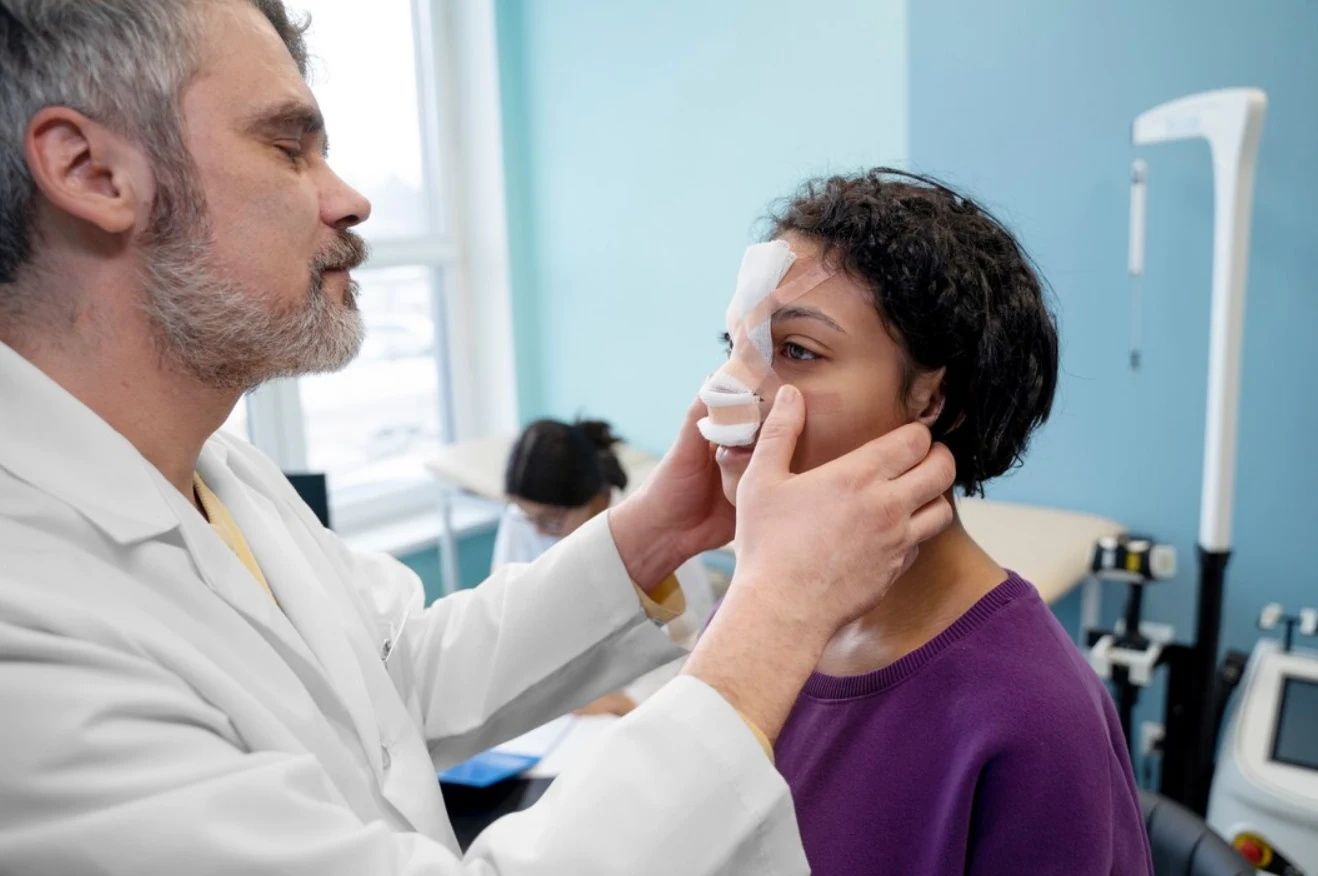
Rehabilitation may last longer than after the first operation. The fixing dressing is usually removed after 7–10 days, and the final result is assessed after 12–18 months.
Book a consultation at the GENEVITY longevity and quality of life center in Dnipro. The plastic surgeon will assess the condition of the nose and the possibilities for repeat correction, and will determine the necessary preparation.
This information is for general awareness and does not replace a doctor's consultation.