According to the International Society of Aesthetic Plastic Surgery, nearly 17.9 million aesthetic surgical procedures were performed worldwide in 2025. The most common was blepharoplasty, followed by liposuction and breast augmentation in terms of the number of operations performed. Modern plastic surgery covers far more areas: from correcting age-related changes and the proportions of the face or body to reconstructive interventions after injuries and diseases.
In this article, doctors from the GENEVITY Longevity and Quality of Life Center in Dnipro talk about plastic surgery, what kinds of plastic operations there are, how to evaluate the result, and what is important to consider when planning surgery.

Plastic surgery and aesthetic medicine: what is the difference?
Aesthetic surgery is a branch of plastic surgery aimed at correcting appearance through surgical interventions. The difference between cosmetic and surgical methods lies primarily in the possibilities for correction. Injectable techniques are used to restore lost volume, reduce expression lines, and improve skin condition. Device-based procedures can stimulate collagen synthesis, increase tissue density, and provide a lifting effect.
A plastic surgery operation makes it possible to change anatomical structures: to adjust shape and proportions, change the position of tissues, and remove excess skin. That is why aesthetic surgery is considered in cases where the desired changes cannot be achieved with cosmetology.
GENEVITY plastic surgeon’s comment: “Cosmetic procedures help improve skin condition, correct individual age-related signs, and support the result of surgery. At the same time, in cases of significant tissue sagging or pronounced anatomical features, they cannot replace surgery.”
What plastic surgeries are there: the main areas of correction
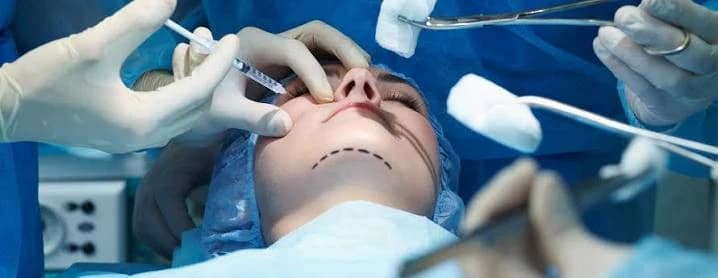
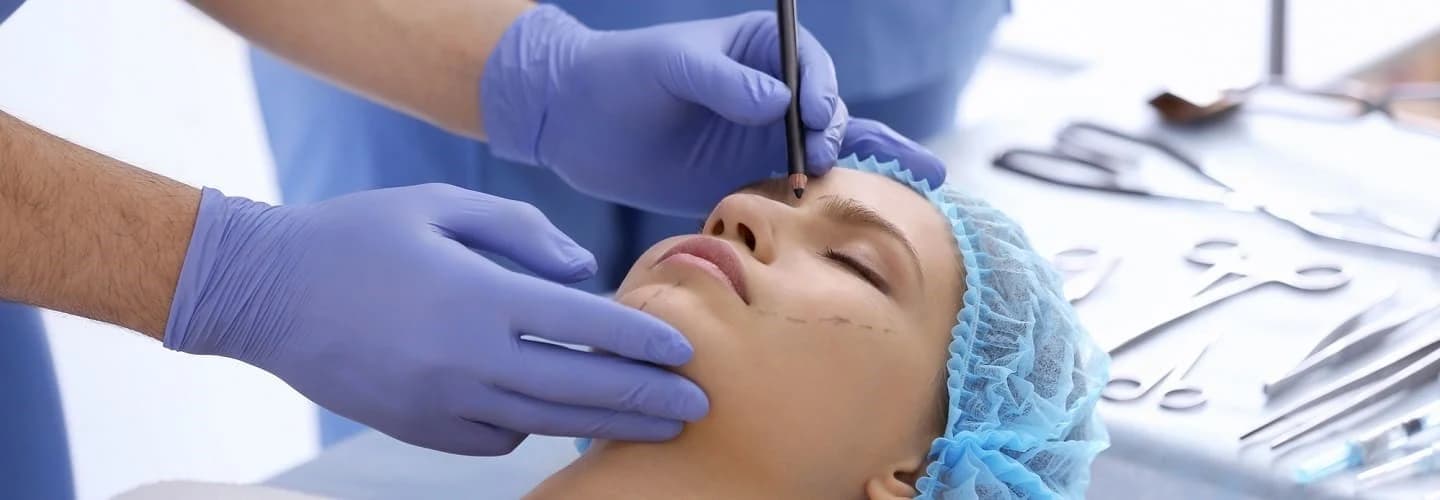
Plastic surgery operations are performed on various areas of the face and body. The main areas include:
operations on the face and neck — lifting, blepharoplasty, rhinoplasty, otoplasty, earlobe correction;
breast operations — augmentation, reduction, and lift;
body operations — abdominoplasty and liposuction.
Before each operation, the surgeon determines its scope, the necessary preparation, and the specifics of recovery.
Reconstructive plastic surgery: restoring function and appearance
Reconstructive plastic surgery is aimed at restoring form and function impaired as a result of injuries, previous operations, or diseases. Such operations include:
correction of scars and scarring;
removal of skin neoplasms together with an oncologist;
restorative operations after injuries;
correction of the consequences of previous surgical interventions.
Aesthetic and reconstructive goals are often combined within a single operation. For example, during rhinoplasty, the surgeon can correct the shape of the nose and at the same time improve nasal breathing, and during abdominoplasty, when indicated, eliminate diastasis of the rectus abdominis muscles.
Plastic surgery before and after: how to evaluate the result correctly
“Before and after” photos help show the nature of the changes after surgery, but they do not give a complete picture of the course of recovery. The perception of the result is affected by angle, lighting, body position, and the time that has passed since the surgical intervention.
GENEVITY plastic surgeon’s comment: “In the first weeks after surgery, swelling can noticeably change the contours, so it is too early to draw conclusions about the result. For a correct comparison, ‘before and after’ photos should be taken from the same angle and under similar lighting. A scar matures for up to a year, so the result of the operation can only be finally assessed after the main recovery period is over.”

How is the decision about plastic surgery made?
The decision about surgery is preceded by a plastic surgeon’s consultation, during which the doctor assesses anatomical features, health status, and the patient’s expectations. The surgeon explains what result can be achieved, what the limitations are, how the operation and recovery will proceed, what type of anesthesia will be used, and what risks are associated with the surgical intervention.
Benefits of plastic surgery at the GENEVITY Longevity and Quality of Life Center
At the GENEVITY Longevity and Quality of Life Center in Dnipro, plastic surgeries are performed by surgeons with many years of experience in aesthetic and reconstructive surgery. Serhiy Harmash has 41 years of medical experience; Dmytro Detsyk has 25 years, the highest qualification category, and the academic degree of Candidate of Medical Sciences.
Special attention is paid to the postoperative period. Patients are offered a day hospital with private rooms, constant medical monitoring, and the ability to call staff at any moment. When indicated, recovery programs may include pressotherapy to reduce swelling and, after the scars have fully healed, methods for correcting them, including laser resurfacing.
This information is for general awareness and does not replace a doctor's consultation.