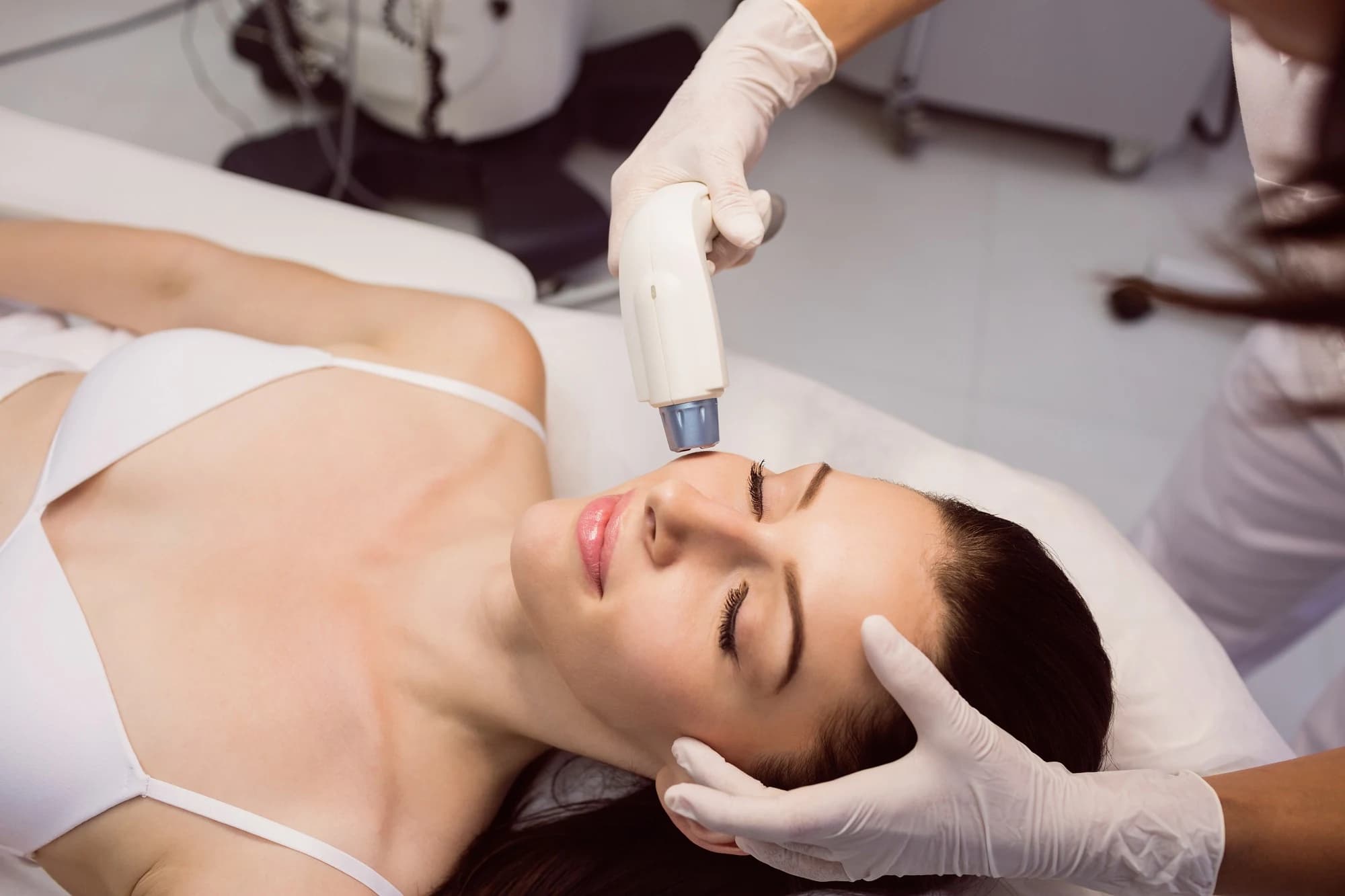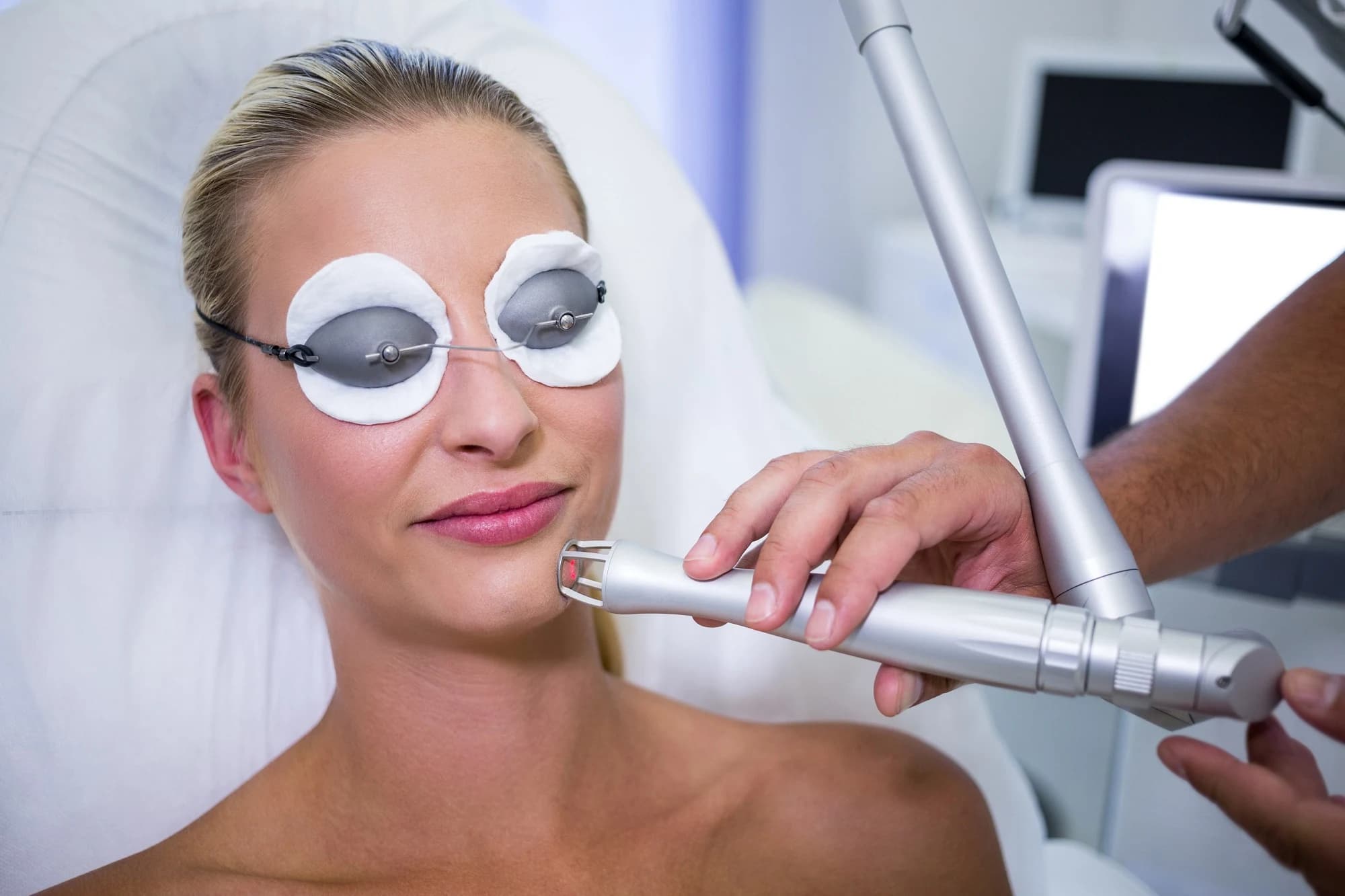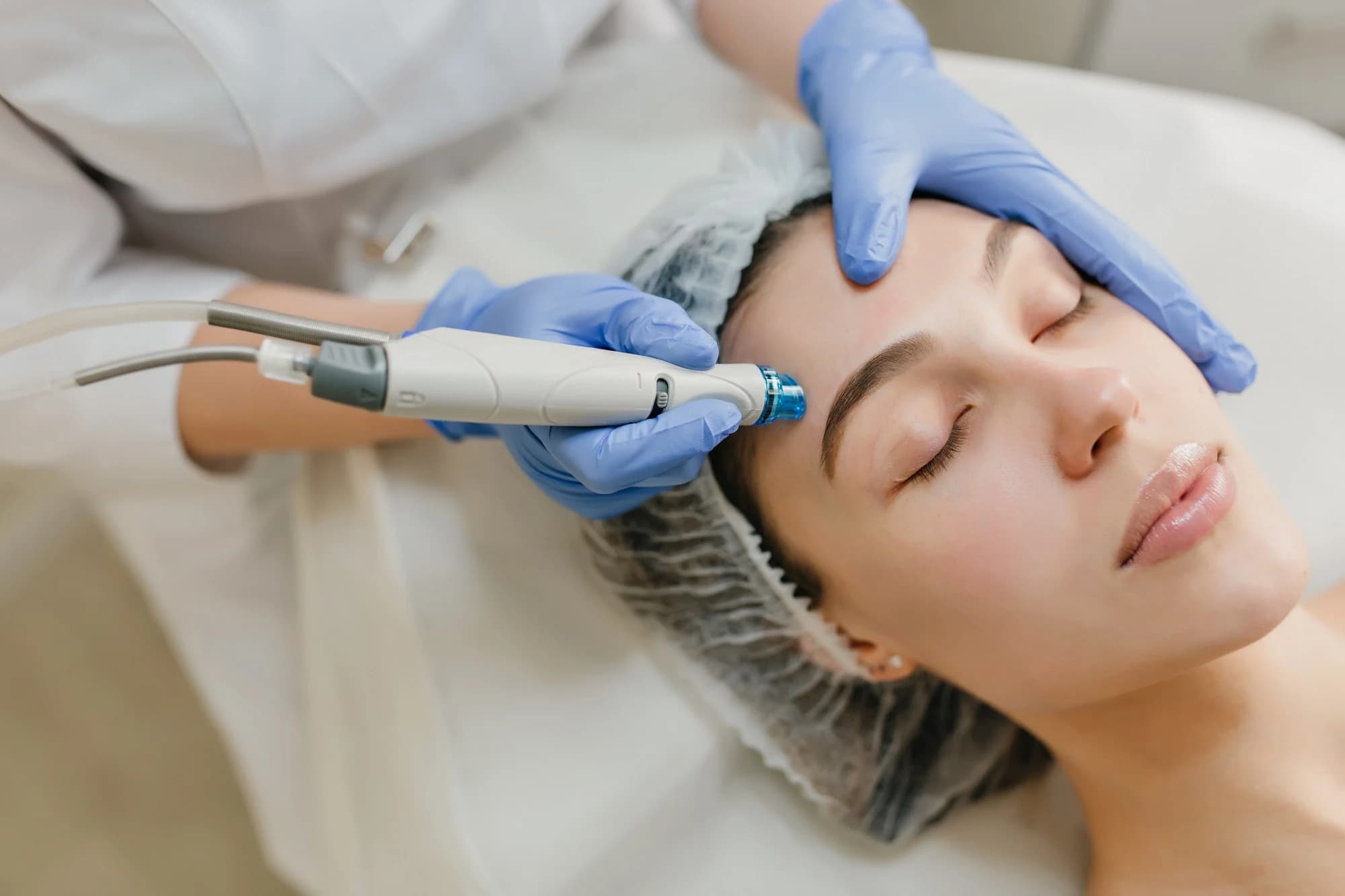
Summer leaves a noticeable mark on the skin: dehydration, dullness, reduced tone, and signs of photoaging. In autumn, when solar activity decreases, you can devote more attention to restoration. Biorevitalization is well suited for this. In this article, specialists at Genevity’s center for longevity and quality of life explain what happens to the skin after summer, when it’s best to do biorevitalization, how the procedure works, and how many sessions may be needed for a pronounced result.
How does summer affect skin condition?
Ultraviolet radiation triggers a whole series of changes in the skin. Under its influence, tissue production of reactive oxygen species increases, damaging cells and activating enzymes that break down collagen and elastin. At the same time, the skin’s ability to retain moisture is impaired — hyaluronic acid synthesis in the dermis decreases, and the stratum corneum loses part of its barrier function. As a result, by the end of summer the skin often looks dehydrated and less firm, and its tone becomes uneven.
Why is autumn suitable for skin restoration?
In autumn, conditions for cosmetic procedures become more comfortable: solar activity decreases, the heat gives way to milder temperatures, and facial skin is less exposed to daily strain from external factors.
What is biorevitalization?
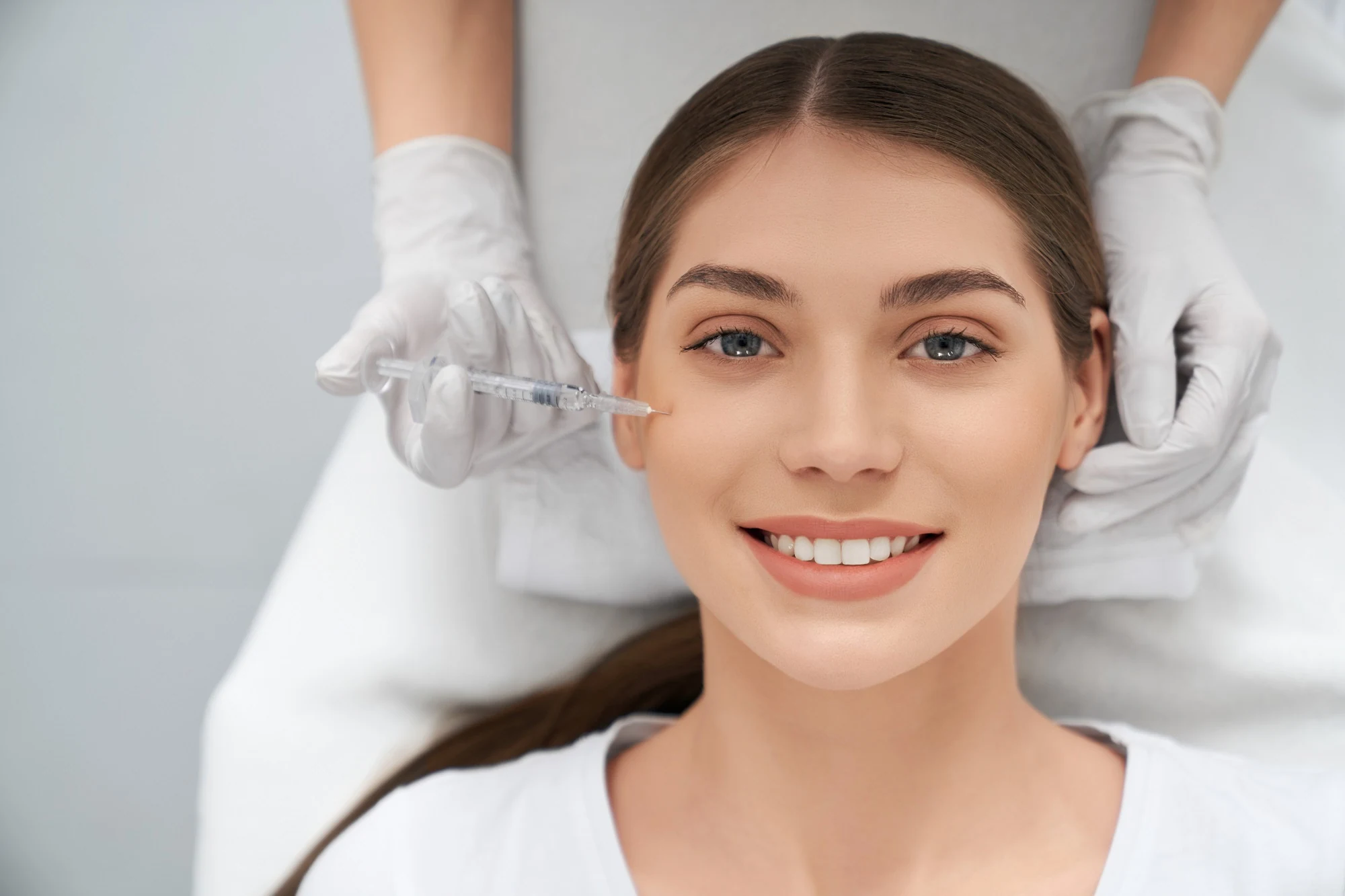
Biorevitalization is one of the techniques of injectable cosmetology in which products based on native, non-stabilized hyaluronic acid are injected into the middle and deep layers of the dermis. Biorevitalization cocktails may also contain amino acids, peptides, vitamins, and antioxidants.
Hyaluronic acid binds and retains water in the tissues, which increases skin hydration, turgor, and elasticity. Amino acids participate in protein synthesis, peptides regulate cellular processes, antioxidants help protect cells from oxidative stress, and vitamins support metabolism.
Why is biorevitalization often recommended in autumn?
Autumn months are well suited for a course of biorevitalization, since after the holiday season and intense sun exposure, it’s easier to stick to a procedure schedule and follow a cosmetologist’s recommendations. By this time, the effects of summer sun exposure are already clearly visible, making it easier to determine the necessary intensity and duration of the course.
Comment from a Genevity cosmetologist: “Patients often ask what time of year is best for biorevitalization. In autumn, the risk of post-inflammatory hyperpigmentation after injections is significantly lower than in summer. In cosmetology practice, this is one of the arguments for planning a course specifically for the autumn months.”
What skin problems does the procedure help solve?
Autumn biorevitalization is used to improve the skin’s condition after prolonged UV exposure. The technique helps:
eliminate feelings of tightness and dehydration;
increase tissue turgor and elasticity;
even out tone and restore the skin’s natural glow;
reduce the appearance of fine expression wrinkles;
speed up recovery after other procedures, such as peels and laser resurfacing.
Comment from a Genevity cosmetologist: “If, after summer, the main problem isn’t dehydration but persistent pigmentation or vascular issues, biorevitalization alone may not be enough. In such cases, photorejuvenation can be included in the correction program, which helps even out skin tone and reduce the appearance of visible blood vessels.”
How does biorevitalization work?
The procedure begins with an assessment of the skin’s condition: the doctor determines its type, degree of dehydration, and the areas to be treated, and selects the product. A topical numbing cream is then applied for 30–40 minutes. Some products already contain lidocaine, which helps reduce discomfort during the injections.
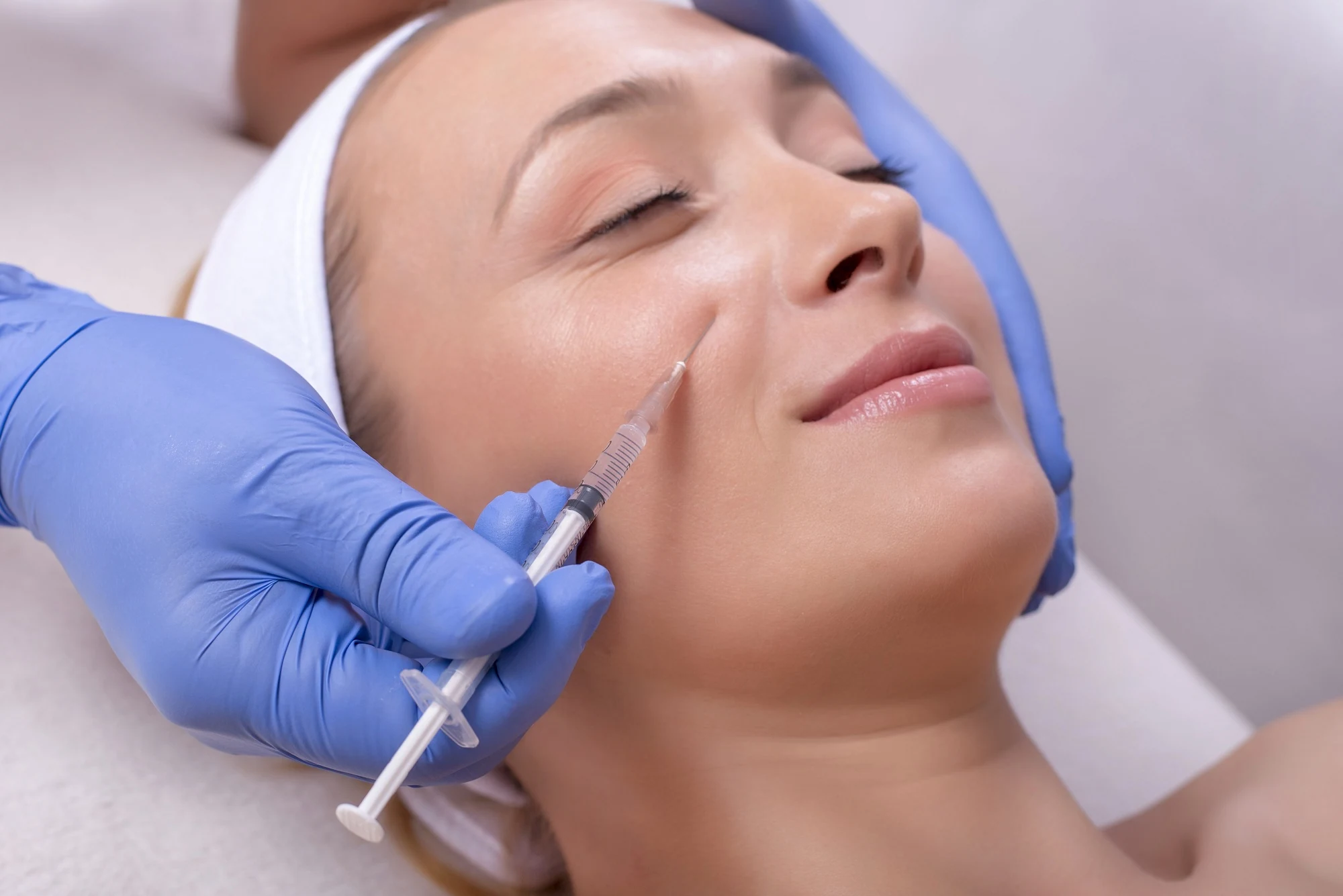
The product is administered via micro-injections or the papule technique into the middle and superficial layers of the dermis. The procedure takes about 30–45 minutes. Immediately after the injections, small bumps may remain on the skin, which usually resolve within 24–72 hours.
How many procedures may be needed?
Biorevitalization is usually performed as a course, since the effect of each subsequent procedure builds on the result of the previous one. Between sessions, the skin continues to recover: its hydration level increases, metabolic processes are activated, and turgor and elasticity gradually improve. As a result, the effect becomes more pronounced and stable. The length of the course depends on the skin’s initial condition and the severity of photodamage.
Comment from a Genevity cosmetologist: “Already after the first session, the skin becomes noticeably more hydrated and radiant, but a lasting result forms after the full course. This is usually 3–4 procedures with an interval of 3–4 weeks, after which one or two maintenance sessions a year are enough to sustain the effect.”
How to care for skin after the procedure?
In the first 24–48 hours after biorevitalization, it’s recommended not to apply makeup and to avoid intense physical activity, sauna, and steam baths, so as not to increase irritation at the injection sites. During this period, gentle care is especially important. Small bumps at the injection sites usually go away on their own, so there’s no need to massage or rub them. For at least two weeks after the procedure, it’s important to use SPF 50+ sunscreen daily, since the skin becomes more sensitive to UV exposure after injections.
Restored skin better withstands winter cold and the dry air of the heating season, so an autumn course of biorevitalization helps prepare it for seasonal strain and maintain adequate hydration, elasticity, and an even tone for longer.
This information is for general awareness and does not replace a doctor's consultation.