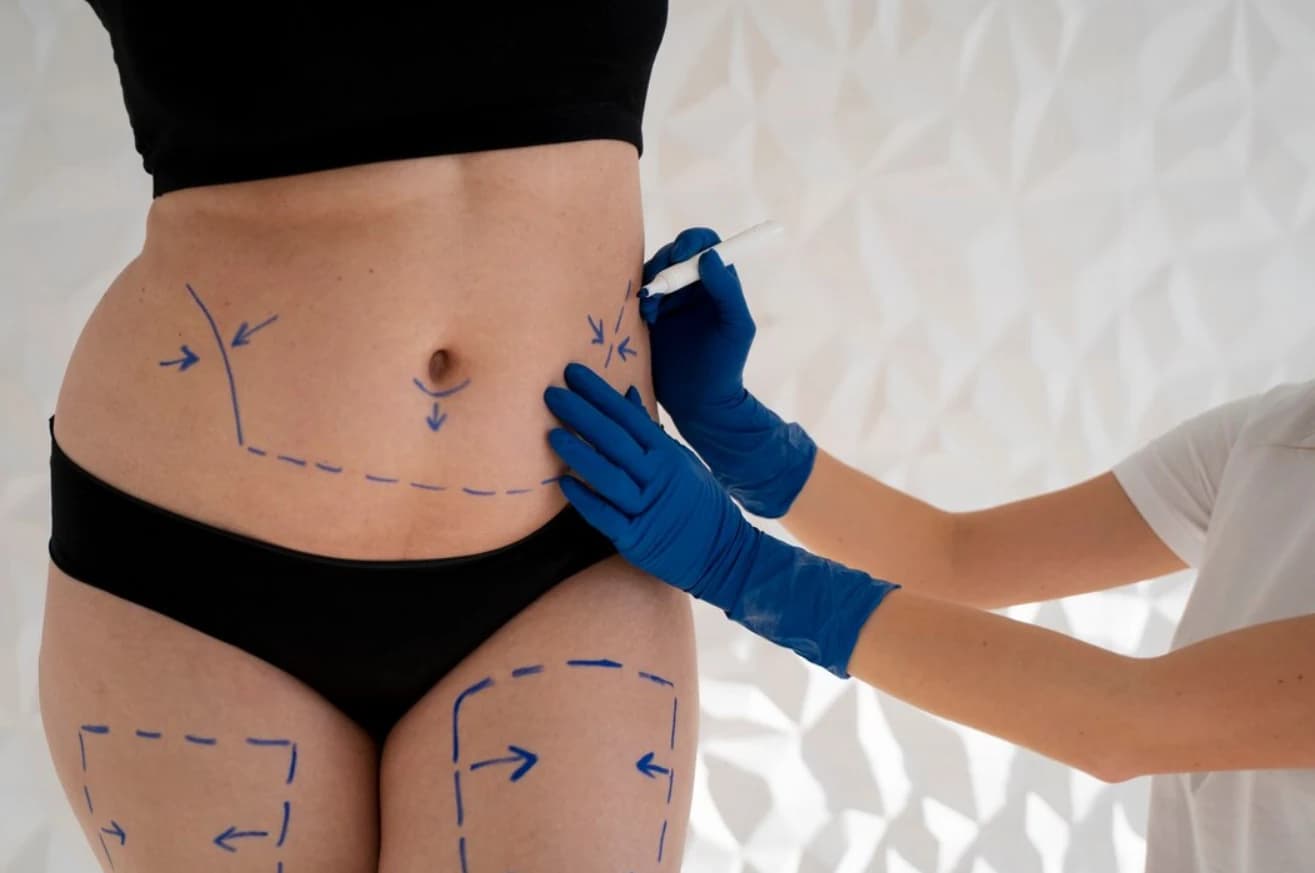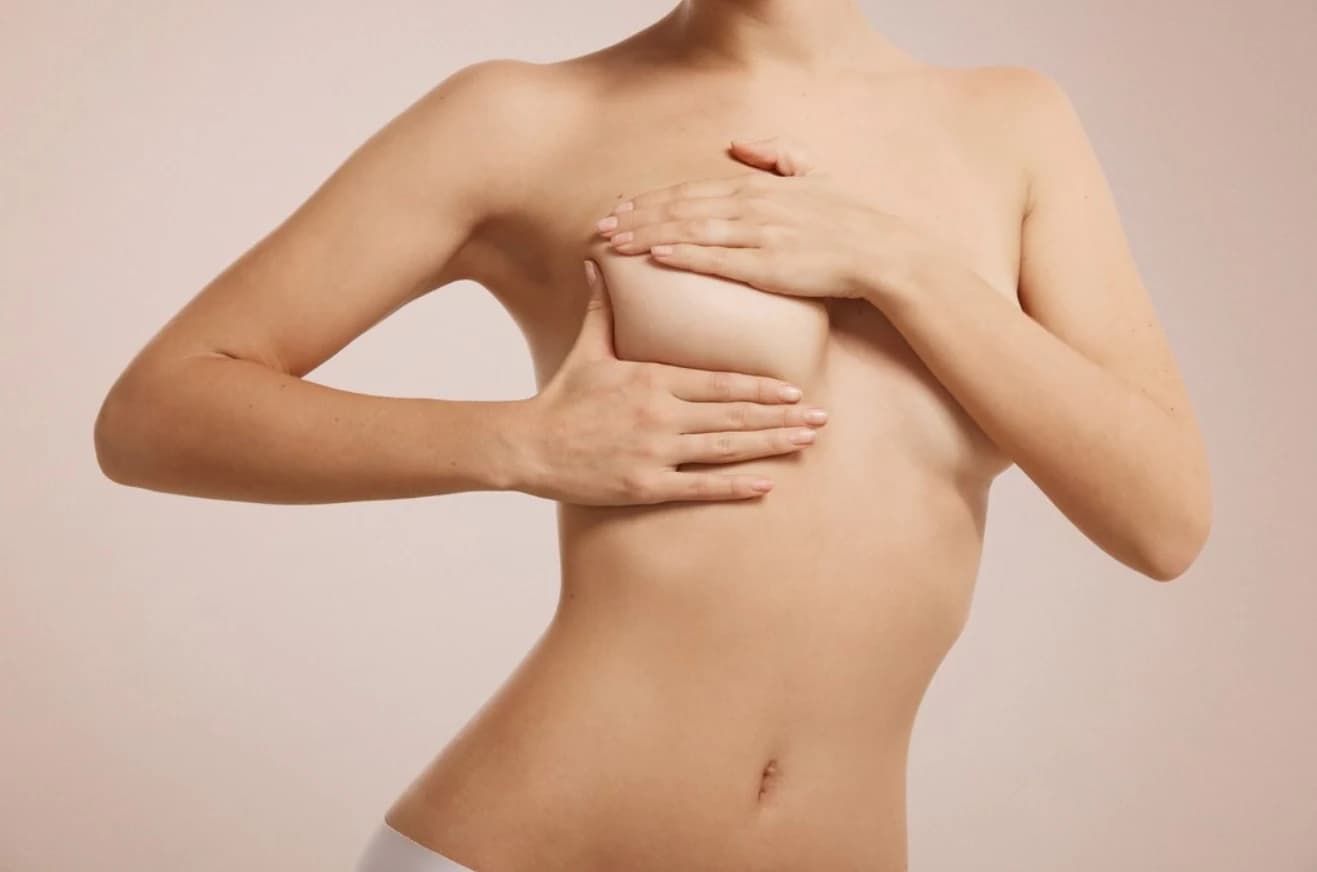
After pregnancy, the breast may lose volume, change shape, or sag, even in women who did not breastfeed. A study by plastic surgeons at the University of Kentucky showed that the severity of these changes is related to age and the number of pregnancies, but not to the duration of breastfeeding.
The plastic surgeons at the GENEVITY longevity and quality of life center in Dnipro explain when a breast lift after childbirth and breastfeeding is necessary, which changes can resolve on their own, and what options modern plastic surgery offers.
How Do Pregnancy and Breastfeeding Affect the Shape of the Breast?
During pregnancy, the mammary glands enlarge and the skin stretches. After breastfeeding ends, the glandular tissue gradually shrinks, but the skin does not always return to its previous state. As a result, the breast may lose fullness, and with more pronounced changes, ptosis — sagging of the mammary glands — develops.
When Can the Breast Recover on Its Own After Breastfeeding?
Recovery of the breast after breastfeeding depends on skin elasticity, age, the original size of the mammary glands, and weight fluctuations. In the first months after lactation ends, the tissues continue to change: the breast decreases in volume, and the skin gradually contracts. If there is no pronounced sagging, an operation may not be needed.
Exercises help strengthen the pectoral muscles, and massage and cosmetic products can temporarily improve the condition of the skin, but none of these methods eliminates sagging of the mammary glands. So if the question of how to lift the breast after breastfeeding is still relevant several months after feeding has ended, it is worth booking a consultation with a plastic surgeon. The doctor will assess the position of the breast and the condition of the skin and determine whether there are indications for surgery.
Comment from a GENEVITY plastic surgeon: “We usually recommend planning the operation no earlier than 6 months after breastfeeding has ended. By then the breast volume should have stabilized, so that we can objectively assess the changes and determine the extent of correction needed.”
In Which Cases Might Mammoplasty Be Needed After Childbirth?
A breast lift after breastfeeding may be required when the mammary glands sag significantly. The main indications for surgery are:
the nipple and areola are at the level of the fold under the breast or below it;
the breast has lost volume, especially in the upper part, and visibly sags;
pronounced breast asymmetry has appeared after feeding.
The final decision on whether surgery is needed is made by the surgeon after an examination. The patient can complete preoperative diagnostics, including laboratory tests, an ECG, and other examinations as indicated, right at the GENEVITY longevity and quality of life center.
Can a Lift Be Combined with Breast Augmentation?
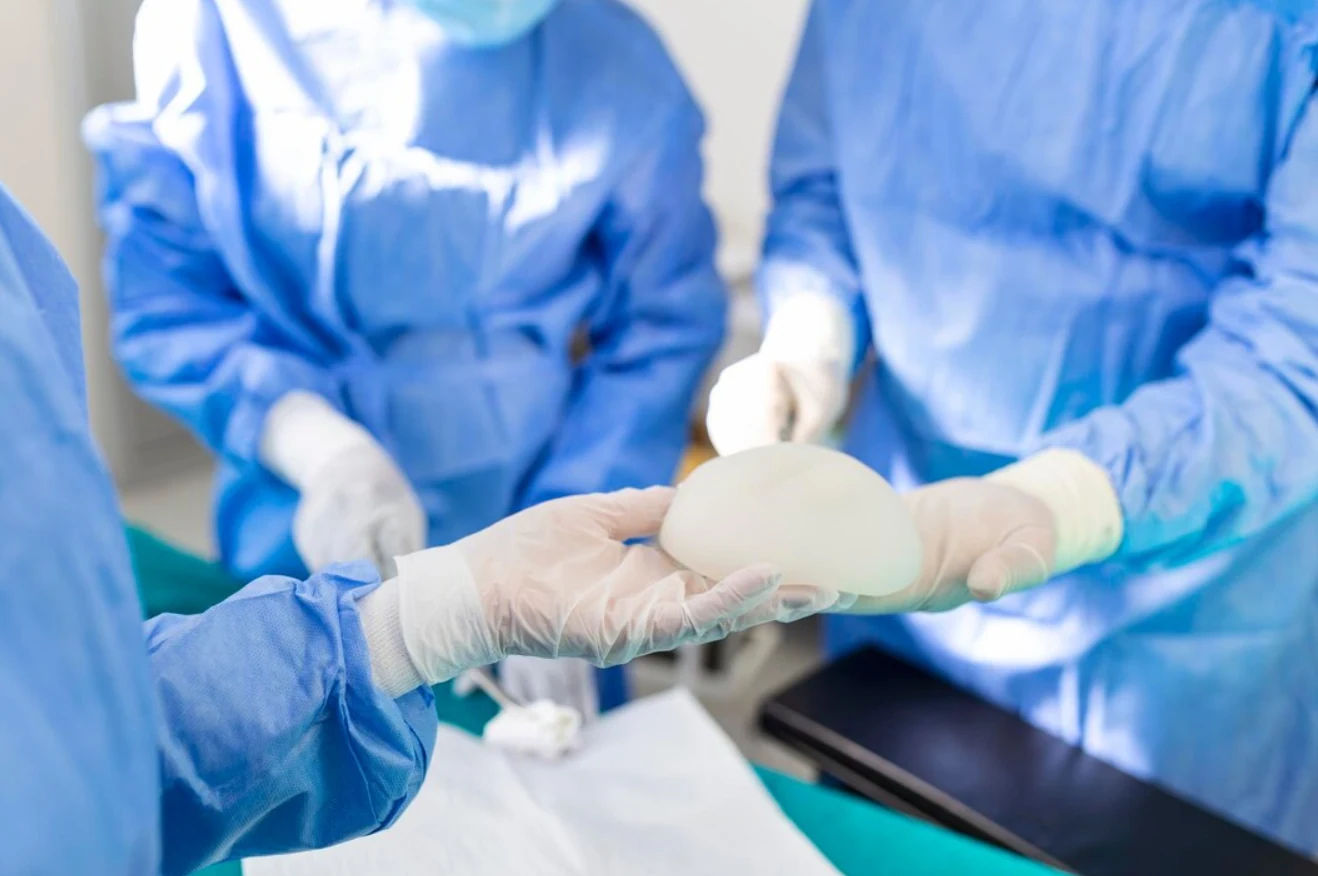
If the mammary glands have sagged and lost volume, a lift can be combined with implant placement. This kind of breast plastic surgery after breastfeeding is especially relevant when you need not only to eliminate sagging but also to restore fullness in the upper pole. As a result, the breast becomes firmer, gains the desired volume, and has clear contours.
Can You Breastfeed After Plastic Surgery?
After mammoplasty, breastfeeding remains possible in many cases. When implants are placed, the glandular tissue is usually preserved, and in a lift the surgeon tries to preserve the milk ducts, blood supply, and innervation of the nipple. However, the operation can affect milk production, so full breastfeeding is not possible in every case.
Comment from a GENEVITY plastic surgeon: “If a woman plans to have more children, we always take this into account when choosing the surgical technique. Where possible, we preserve the structures needed for breastfeeding. At the same time, it is important to understand that a subsequent pregnancy may change the result of the lift.”
What Does Recovery After Mammoplasty Look Like?
In the first hours after the operation, the patient is under the supervision of medical staff. A return to usual activity typically takes 4–6 weeks. The final result should be assessed after 3–6 months, once the main swelling has subsided.
After the main stage of rehabilitation is complete, the aesthetic result can be complemented with the Ultraformer MPT procedure. Focused ultrasound stimulates collagen production, helping to improve skin firmness in the décolleté area.
Planning mammoplasty after pregnancy? Book a consultation at the GENEVITY longevity and quality of life center in Dnipro to discuss correction options and the timing of the operation.
This information is for general awareness and does not replace a doctor's consultation.

Author
Dmytro Detsyk