Boosting facial muscle tone without active effort seems almost impossible, but in the case of Emface technology, the effect is confirmed by concrete clinical measurements. In this article, specialists at Genevity’s center for longevity, diagnostics, and aesthetic medicine explain how Emface works, what results to expect, and how this procedure differs from injectable and surgical rejuvenation methods.
What is Emface and how does the procedure work?
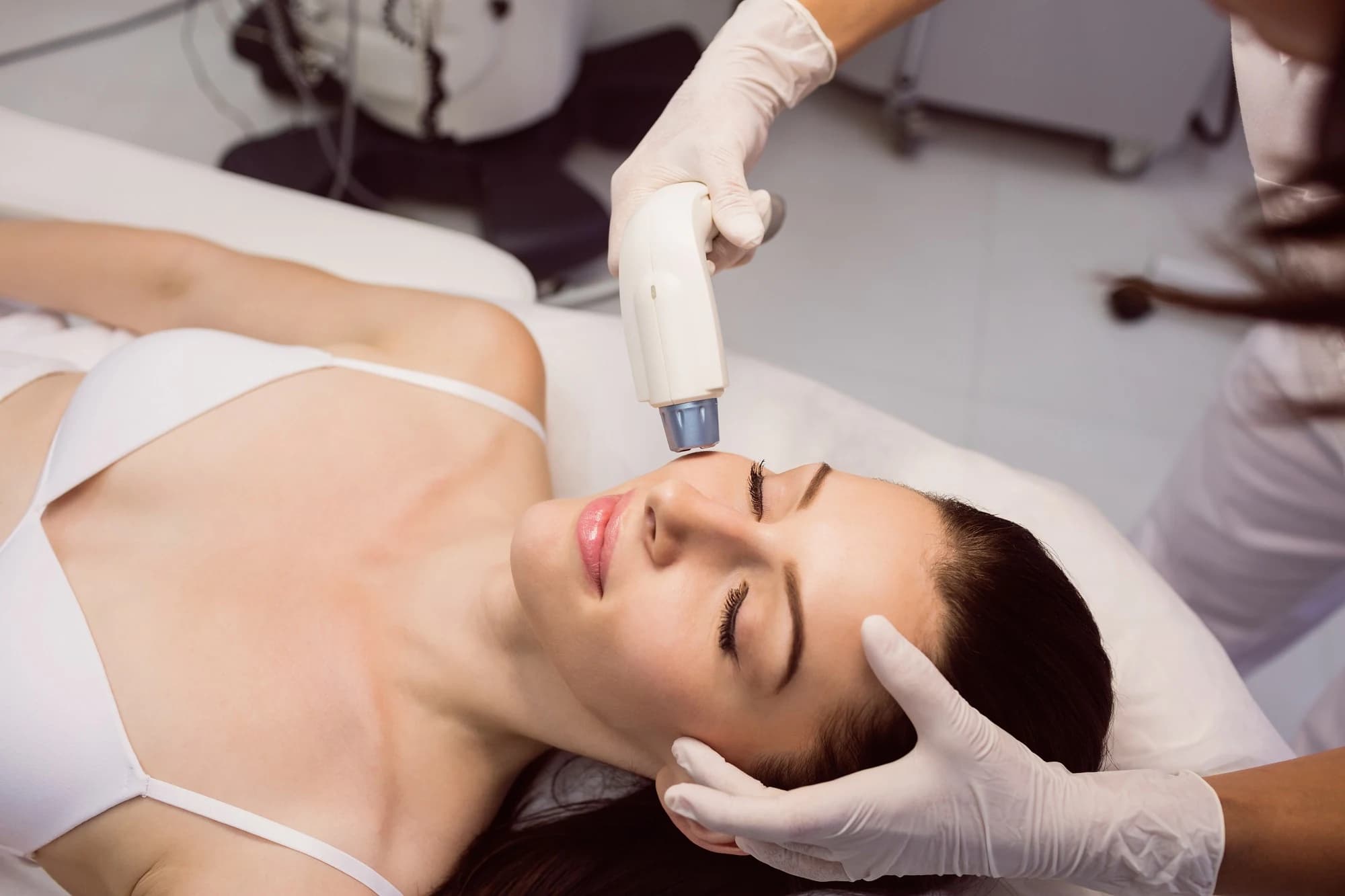
Emface lifting belongs to the methods of device-based facial cosmetology aimed at improving skin quality, increasing muscle tone, and correcting facial contours. The technology is based on the simultaneous application of synchronized radiofrequency energy and HIFES stimulation. Radiofrequency waves heat the deep layers of the skin, stimulating collagen and elastin synthesis. HIFES causes intense contractions of the facial muscles.
Why is Emface called “fitness for the face”?
The comparison to fitness is quite literal here: during strength training, muscles get stronger through repeated contractions, and a similar principle underlies Emface. HIFES impulses cause intense contractions of the facial expression muscles tens of thousands of times in a single session, without any effort from the patient.
Comment from a Genevity cosmetologist: “Facial muscles, like any others, can be trained. The difference is that it’s hard to consciously control facial muscles the way we do in the gym. Emface solves this through electrical stimulation — the muscle contracts intensely and rhythmically, which helps strengthen it and increase its tone.”
How does the procedure affect muscles and skin?
The effect is built on two parallel processes that reinforce each other. Radiofrequency energy heats the dermis, stimulating collagen remodeling and the synthesis of new collagen and elastin fibers. HIFES impulses cause intense contractions of the facial muscles, helping to strengthen them and increase tone. As a result, the skin becomes denser and firmer, and facial contours become more defined.

What aesthetic problems does Emface help solve?
The method is used for comprehensive correction of age-related changes related to both skin condition and reduced facial muscle tone. The procedure helps with the following issues:
reduced tone and ptosis of the soft tissues of the face;
superficial and deep wrinkles on the forehead, between the brows, and nasolabial folds;
an undefined facial oval, blurred contour of the lower third of the face;
early age-related changes in patients aged 25–35, when prevention matters.
Emface technology is suitable for patients who want to improve skin condition and facial contours without injections, surgery, or lengthy rehabilitation.
How does the procedure work?
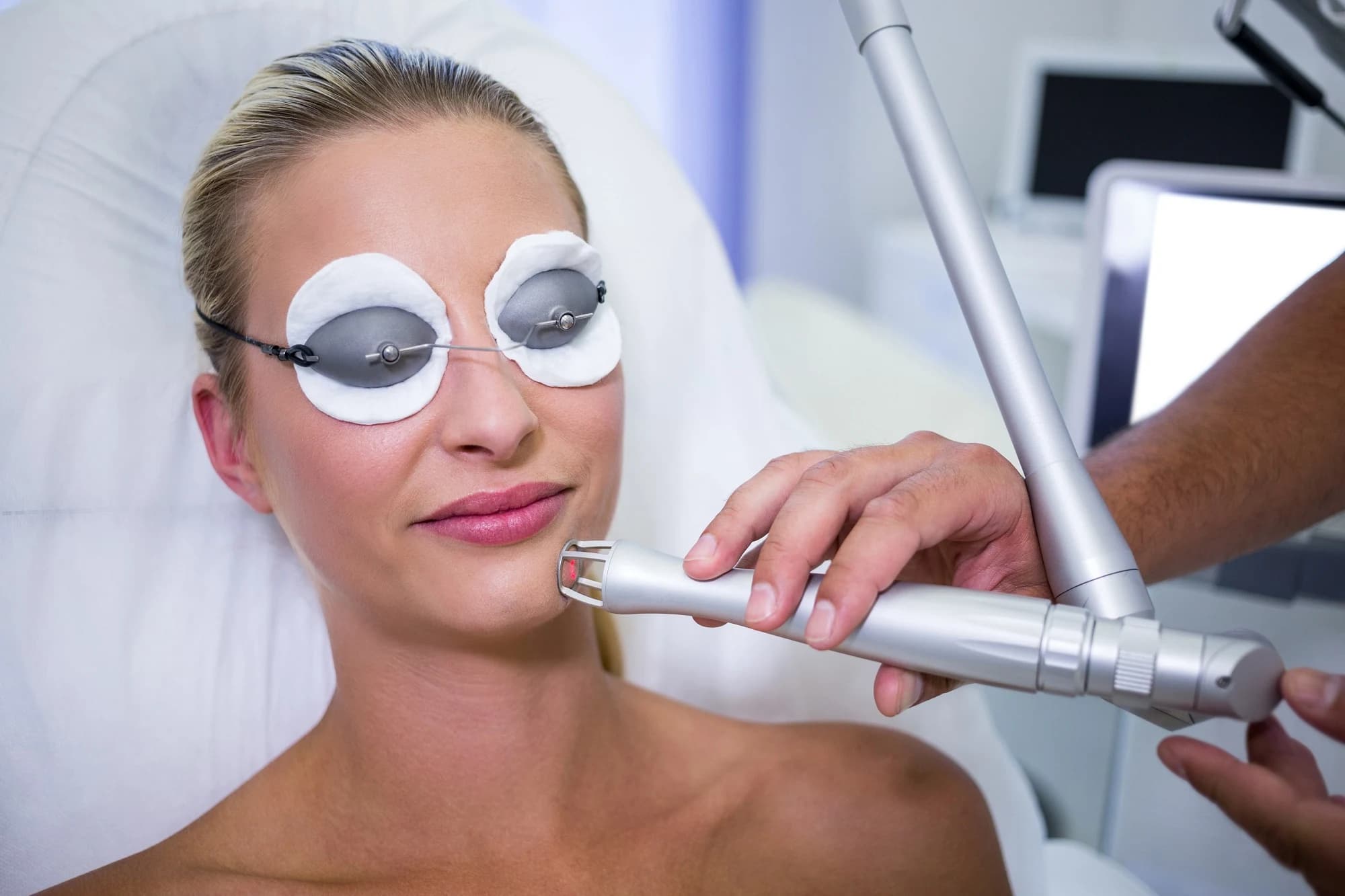
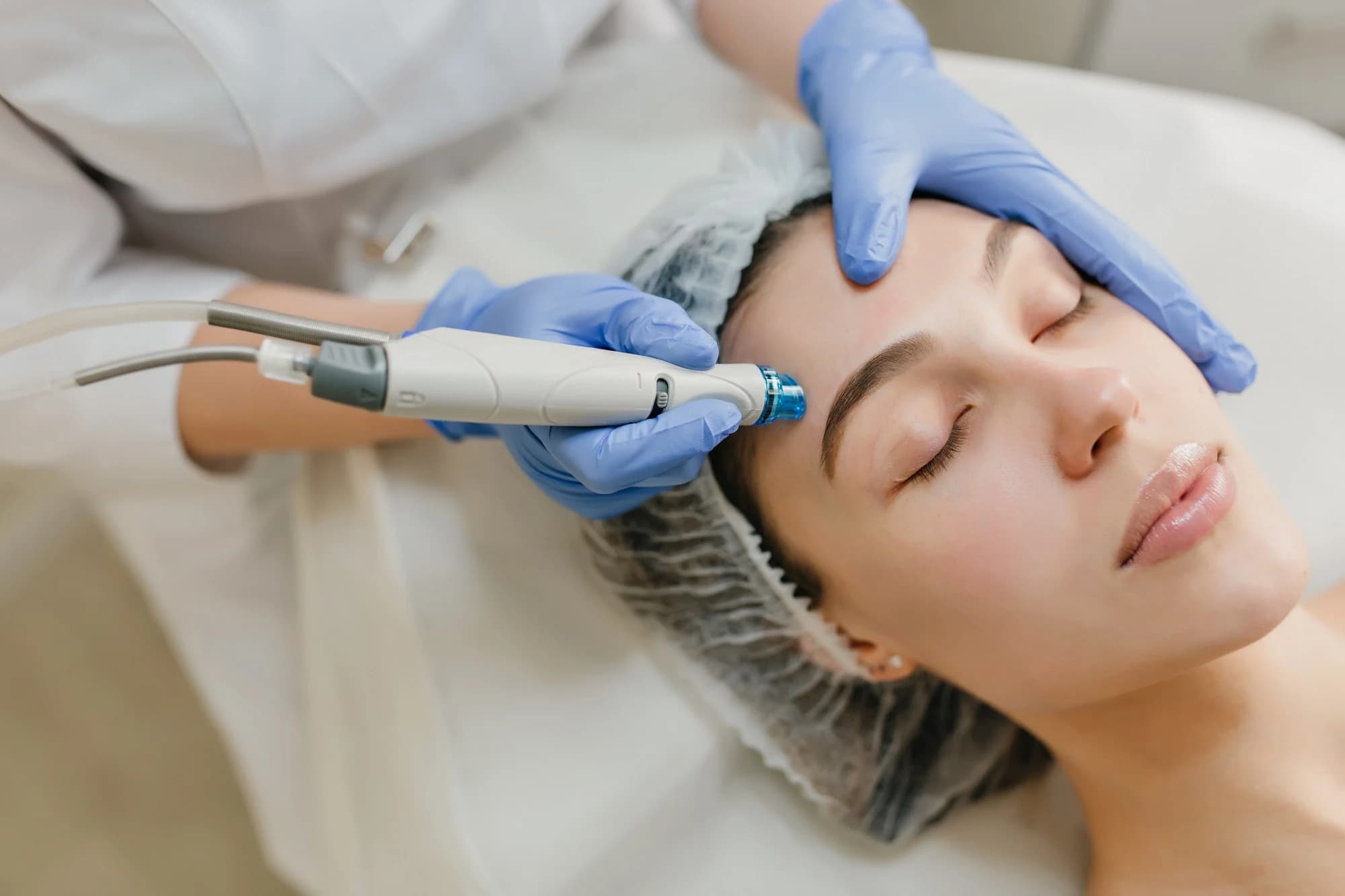
Before the session, the doctor assesses the condition of the facial skin and muscles, then determines the treatment areas. Applicators are fixed to the selected areas. During the procedure, the patient feels warmth and rhythmic muscle contractions. After the session, the doctor gives care recommendations and puts together a schedule for further sessions.
Comment from a Genevity cosmetologist: “During the Emface procedure, we primarily stimulate the elevator muscles — the ones that support the soft tissues of the middle and upper third of the face. In other words, the technology allows us to correct age-related changes at a deeper level.”
What result can be expected after an Emface course?
After the course of procedures, the skin becomes denser and firmer, wrinkles smooth out, tissues tighten, and facial contours look more defined. The result develops gradually and continues to build over the following 3 months as tissue remodeling and new collagen synthesis take place.
According to clinical studies, after a full course, collagen density increases by 26%, muscle tone by 37%, and wrinkle severity decreases by 23%. The result lasts 6–12 months.
Comment from a Genevity cosmetologist: “The result after Emface builds gradually, and that’s normal: collagen doesn’t form instantly — it takes time to synthesize and mature. That’s why the final effect should be evaluated no earlier than 2–3 months after the last procedure in the course.”

Advantages of Emface compared to invasive methods
Emface technology affects the skin and facial muscles without breaking the skin’s integrity. The procedure doesn’t require punctures, incisions, or a rehabilitation period. Only brief skin redness is possible after the session. Emface can also be included in comprehensive rejuvenation programs and combined with other device-based cosmetology methods.
Who is Emface suitable for?
Emface lifting is recommended for patients with early signs of age-related changes, reduced skin tone, and loss of facial contour definition. The procedure is also considered at a younger age, when there are no pronounced changes yet and the main goal is maintaining skin and muscle tone.
Emface gives optimal results for initial and moderately pronounced age-related changes. At Genevity’s center for longevity and quality of life, the procedure is often included in comprehensive programs for preventing and correcting age-related changes, when surgery isn’t yet needed.
This information is for general awareness and does not replace a doctor's consultation.
Author
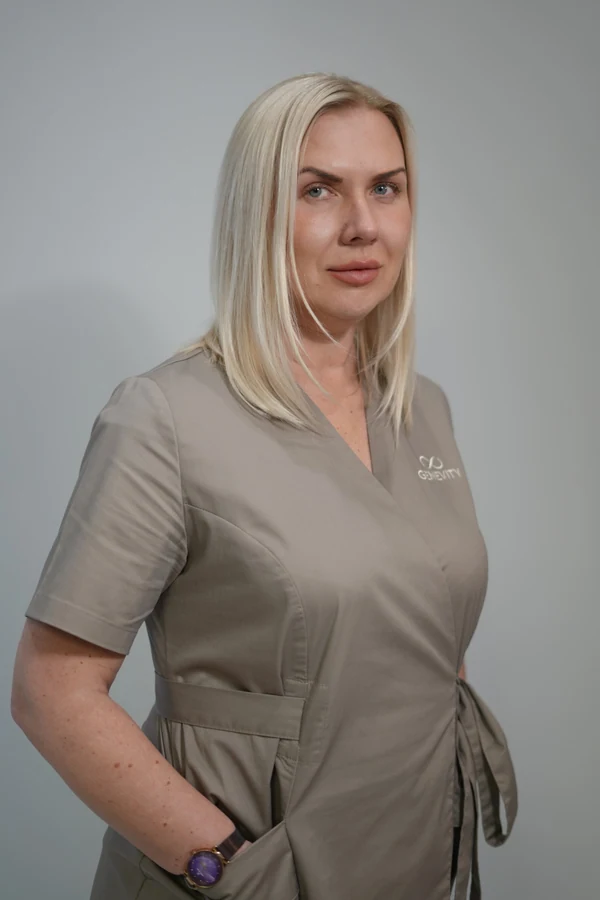
Sepkina Hanna Serhiivna