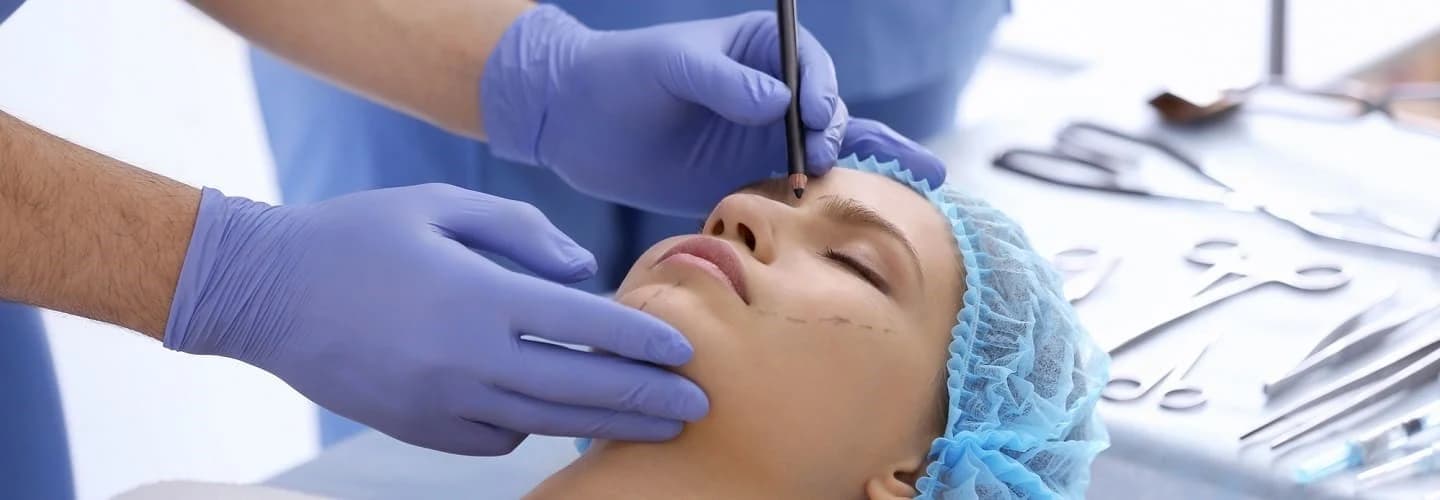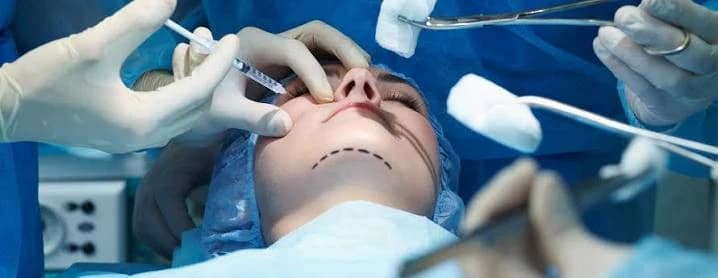
With age, facial features gradually change: the eyebrows sag, the cheekbones lose definition, and the contours become less distinct. If device-based and injectable procedures no longer provide the desired lifting effect, but the patient is not yet ready for a more extensive surgical intervention, one option may be a minimally invasive endoscopic lift. In this article, specialists from the GENEVITY Longevity and Quality of Life Center in Dnipro discuss the specifics of this technique, who it suits, how the operation is performed, and what to expect during the recovery period.
What is an endoscopic facelift and how does it help restore defined contours?
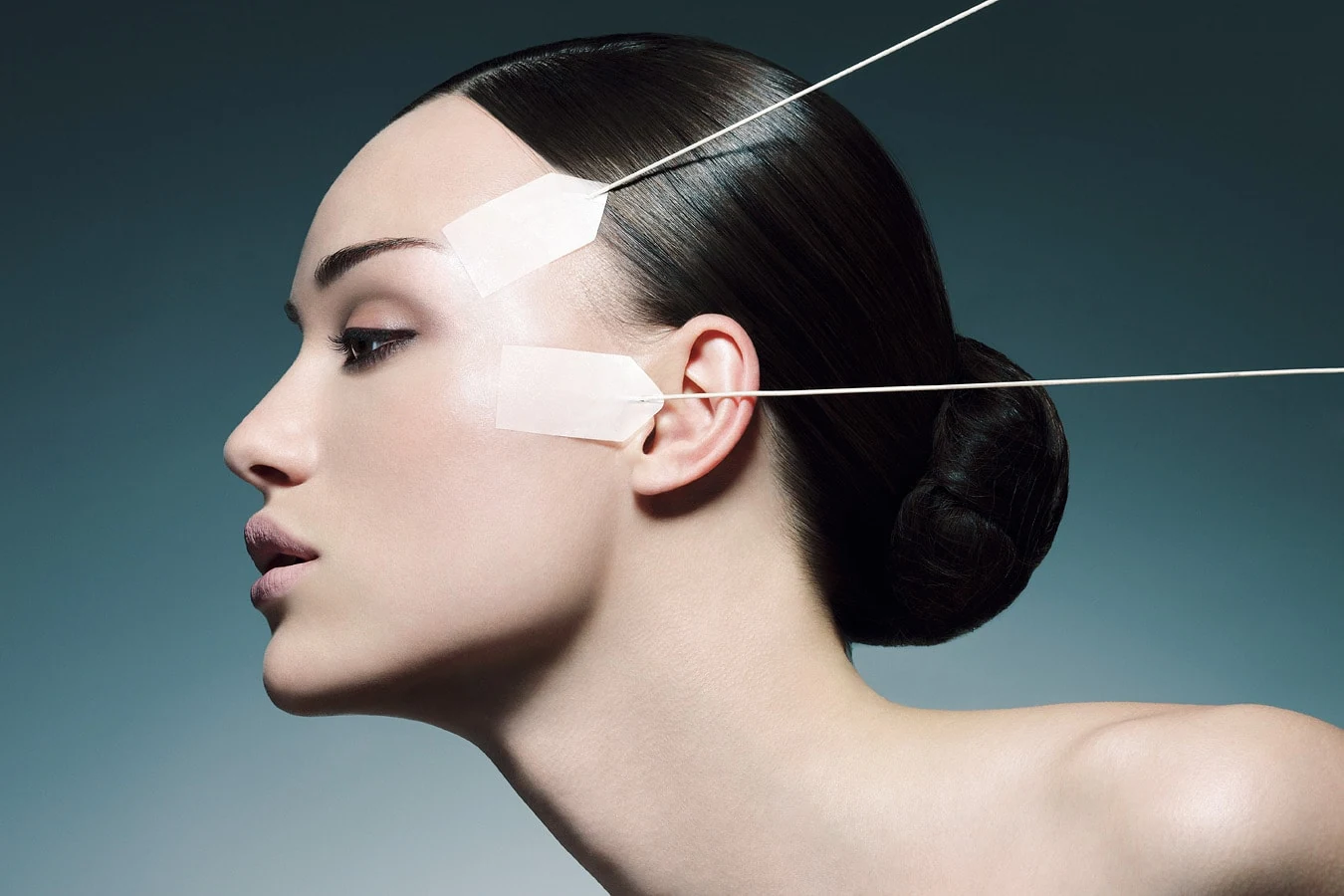
An endoscopic facelift is a plastic surgery operation in which the surgeon lifts soft tissues through several small incisions, usually hidden in the hair-bearing part of the scalp. A thin endoscope — an instrument with a camera that gives the surgeon a clear view of the surgical field — is inserted through them.
The technique is used to correct the forehead, eyebrows, and midface. An endoscopic lift is work not only with the skin but also with deeper tissues. During the operation, the surgeon repositions and fixes them in order to restore harmonious facial proportions. As a result, the eyebrows are raised, the gaze becomes more open, the cheekbones more expressive, and the contours more defined, while the natural beauty of the face is preserved.
Who is endoscopic facial plastic surgery suitable for: indications and limitations
The technique gives the best result for moderate ptosis, when age-related tissue sagging is already noticeable but there is not yet a significant excess of skin. During the plastic surgeon’s consultation, the doctor assesses the degree of ptosis, skin elasticity, and the amount of excess skin, and then determines whether the endoscopic technique will deliver the desired result.
The main indications are:
sagging eyebrows and tissue overhanging the upper eyelid;
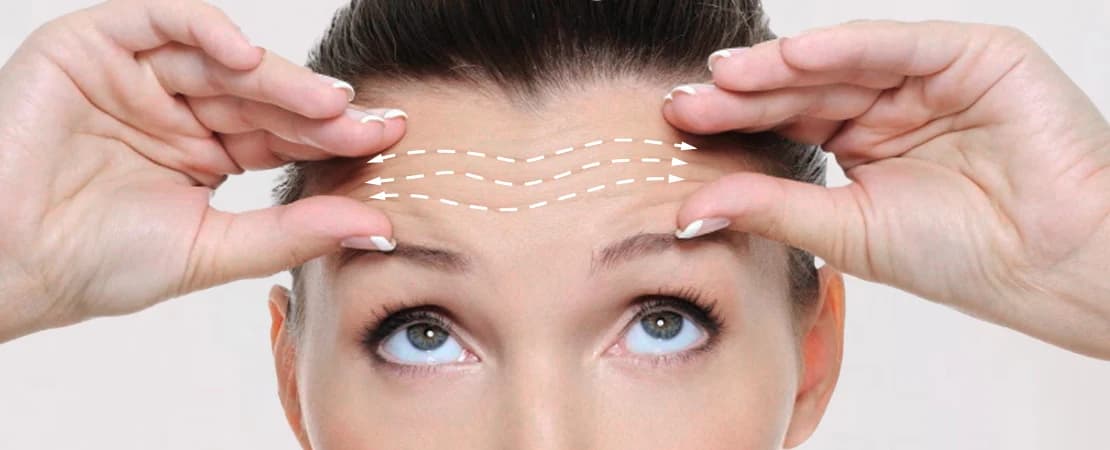
horizontal forehead wrinkles and glabellar folds;
moderate ptosis of the midface tissues;
loss of contour definition.
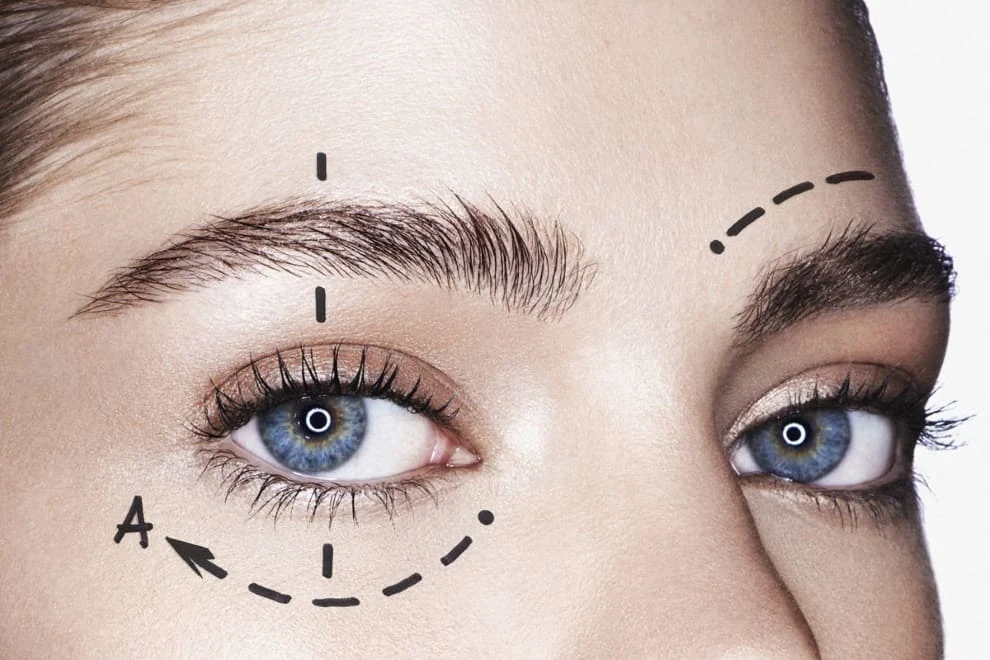
GENEVITY plastic surgeon’s comment: “When performing an endoscopic lift, it is important not just to raise the eyebrows but to preserve their natural shape and proportions. We take into account the height of the medial and lateral parts of the eyebrow, the activity of the facial muscles, and any asymmetry that existed before the operation. It is precisely these details that determine how natural the upper third of the face will look after correction.”
How is an endoscopic facelift performed at the clinic?
Preparation, surgery, and recovery follow an individual plan that the plastic surgeon draws up taking into account the extent of correction and the patient’s health.
Preparation for surgery and preoperative examination
Before the operation, the doctor prescribes the necessary tests and examinations. The list depends on the planned surgical intervention and is determined individually. At the GENEVITY Longevity and Quality of Life Center, you can undergo laboratory tests and, if necessary, an ECG, ultrasound, and other diagnostic tests.
Main stages of the intervention
The operation is performed through several small incisions, usually located in the hair-bearing part of the scalp. During the operation, the surgeon gently repositions and fixes the tissues according to a pre-determined plan. This helps adjust the position of the eyebrows, make the gaze more open, and restore more defined contours of the upper and middle thirds of the face. After the correction is complete, the small incisions are closed. The type of anesthesia and the duration of the operation depend on the extent of the surgical intervention and its possible combination with other procedures.
Recovery after an endoscopic lift: timelines, care, and monitoring of results
In the first days after the operation, swelling and bruising are possible and gradually decrease. People usually return to their normal rhythm 7–14 days after a minor surgical intervention; after a more extensive correction, recovery may take 4–6 weeks. The final result is assessed after 3–6 months.
GENEVITY plastic surgeon’s comment: “After an endoscopic lift, changes appear gradually. As recovery progresses, the swelling subsides, the tissues adapt to their new position, and the result becomes more pronounced and natural.”
Benefits of endoscopic facial plastic surgery at the GENEVITY Longevity and Quality of Life Center
At the GENEVITY Longevity and Quality of Life Center in Dnipro, endoscopic lifts are performed by top-category plastic surgeons. The patient receives full support: preoperative examination, an individual surgical plan, follow-up checkups, and recommendations for the recovery period. If necessary, the program is supplemented with device-based and injectable cosmetology methods to maintain the result and improve skin condition after recovery.
This information is for general awareness and does not replace a doctor's consultation.
Author
Dmytro Detsyk