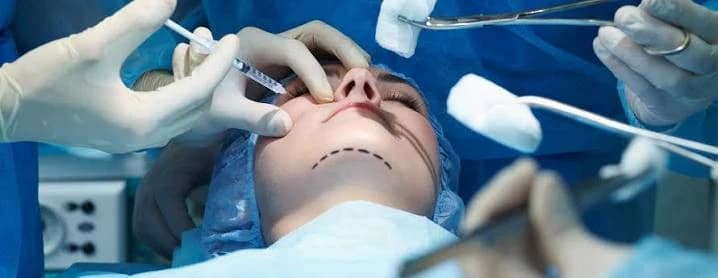
A decision about plastic surgery is usually preceded by long deliberation, while the choice of date often receives much less attention. However, the season can matter for the recovery period after surgery. The cold season makes it easier to follow a number of postoperative restrictions and helps make rehabilitation more comfortable. Specialists from the GENEVITY Longevity and Quality of Life Center in Dnipro explain the advantages of autumn and winter for plastic surgery.
When is the best time for plastic surgery: why are autumn and winter considered the optimal period?
The exact timing depends on the type of surgical intervention, the state of health, and the patient’s plans. Still, the cold months have objective advantages:
less sun and a lower risk of pigmentation in the suture area;
moderate temperatures, at which swelling is easier to tolerate;
a calmer pace of life, without seaside vacations.
If plastic surgery at GENEVITY is performed in autumn or winter, by summer the tissues usually have time to heal, the swelling to subside, and the final result to form.
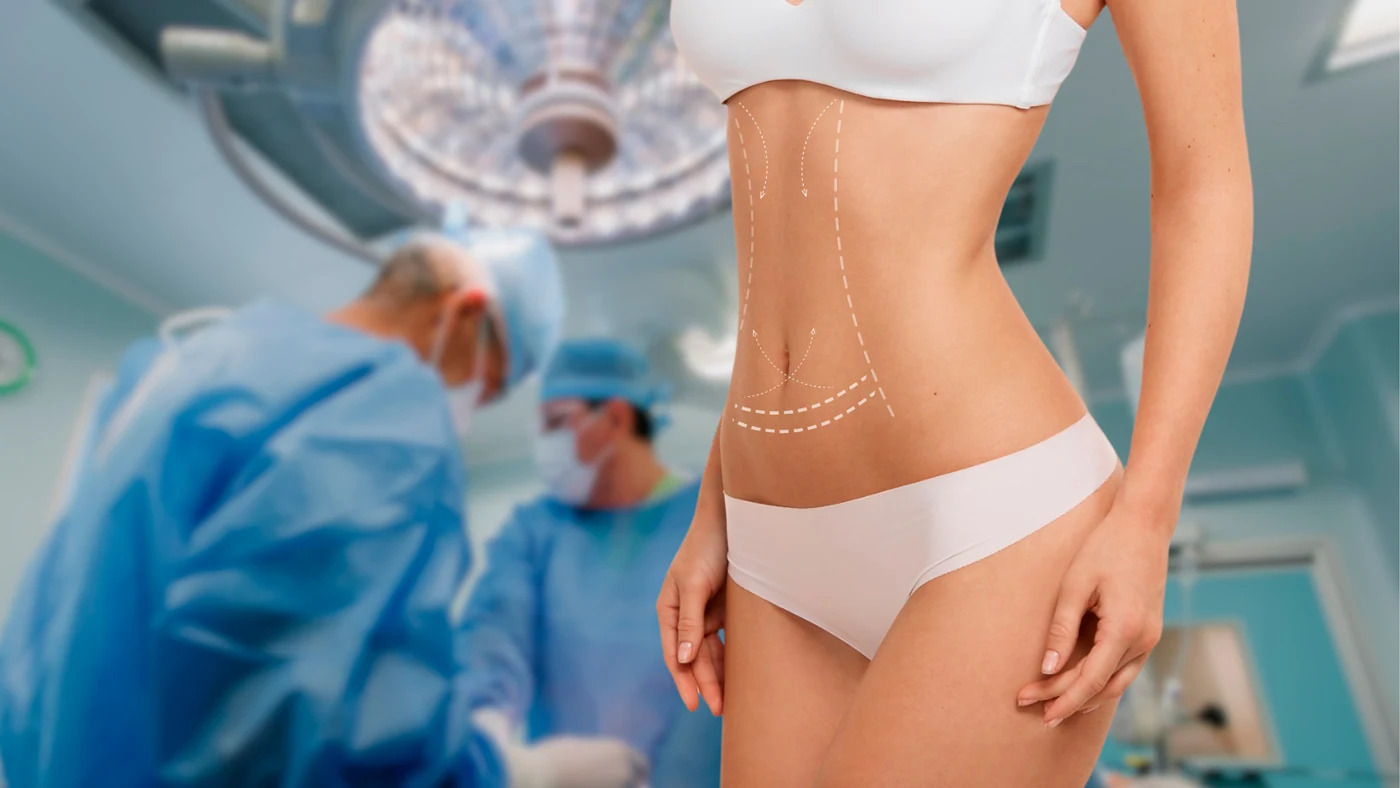
How do autumn and winter reduce risks associated with sun and pigmentation?
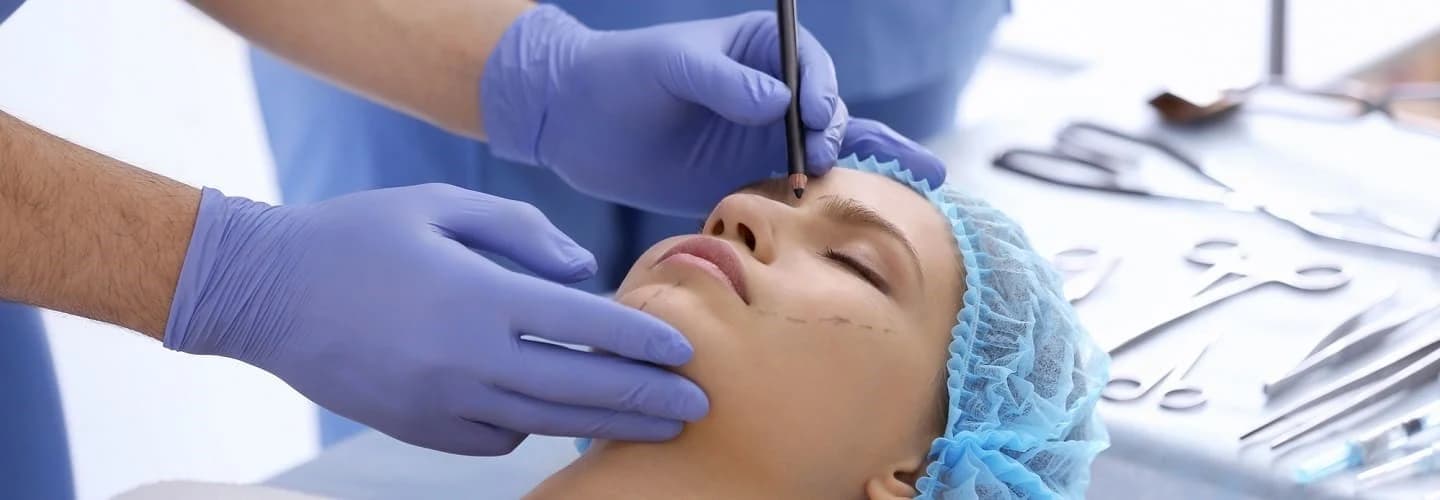
After surgery, the suture area must be protected from ultraviolet light, since the sun can contribute to persistent pigmentation. In autumn and winter, the intensity of solar radiation is lower, so it is easier to follow photoprotection recommendations. This is especially relevant after blepharoplasty, facelifts, and rhinoplasty, when the surgical area remains exposed.
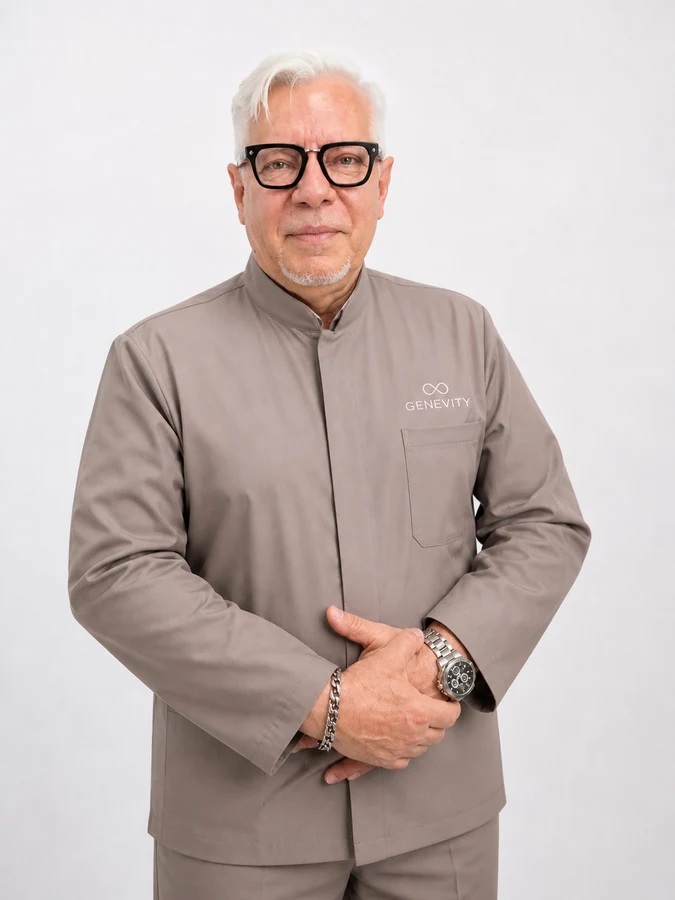
GENEVITY plastic surgeon’s comment: “A scar matures for up to a year, and it remains most sensitive to external influences in the first months. If the surgery is performed in autumn, this period passes with lower solar activity, which reduces the risk of scar pigmentation. At the same time, photoprotection remains mandatory regardless of the season. Afterward, we monitor how the scar forms and, if it remains noticeable after 6–12 months, we can consider laser resurfacing.”
Plastic surgery in autumn and winter: recovery comfort without heat and active vacations
Seasonality in plastic surgery is not only about the sun. Heat can increase postoperative swelling, and increased sweating creates additional discomfort in the suture area. In summer, it is also harder to temporarily give up swimming in pools and the sea, active sports, and prolonged sun exposure. In autumn and winter there are fewer such factors, so it is easier for the patient to follow the surgeon’s postoperative recommendations.
Plastic surgery and vacation: how to plan the recovery period properly
So that recovery does not coincide with a vacation, a trip, or an important event, it is better to discuss the surgery date with the surgeon in advance. The time it takes to return to a normal rhythm depends on the type and complexity of the operation. After minor surgical interventions, 1–2 weeks is often enough; after more complex operations, recovery may take several weeks.
It is worth allowing separate time for preparation, which includes consultations, tests, and examinations and, if necessary, adjusting medications and quitting smoking. The exact plan is determined at the plastic surgeon’s consultation, where you can immediately coordinate the surgery date with your vacation, trips, or holidays.
GENEVITY plastic surgeon’s comment: “If a patient is planning several surgical interventions, we can consider performing them during one operation. This depends on the type of procedures, their duration, and the patient’s health. We make the decision only after an examination. Most of the necessary tests can be done at the center’s laboratory, which simplifies preparation for surgery.”
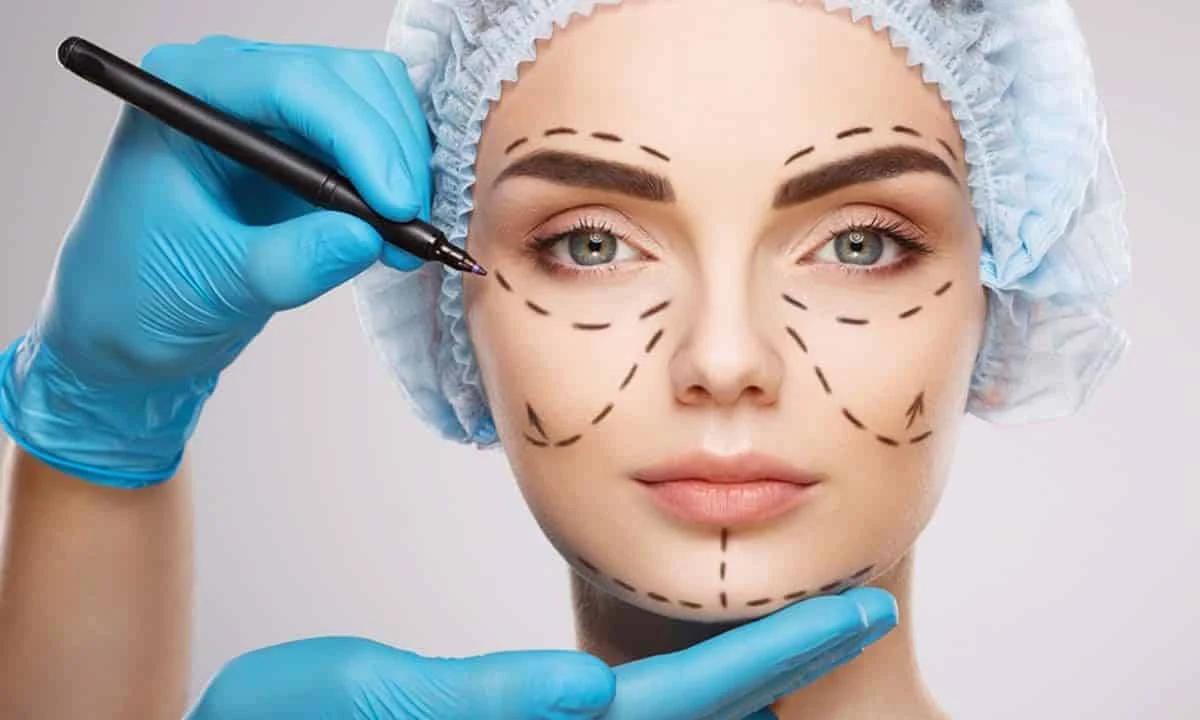
Benefits of plastic surgery at the GENEVITY Longevity and Quality of Life Center
Operations are performed by top-category plastic surgeons with experience in aesthetic and reconstructive surgery. If the desired result can be achieved without surgery, the doctor may suggest non-surgical techniques or their combination with plastic surgery.
At the GENEVITY Longevity and Quality of Life Center in Dnipro, the patient is supported by a team of specialists at all stages of treatment — during preparation, surgery, and postoperative recovery. If necessary, a rehabilitation specialist joins the team.
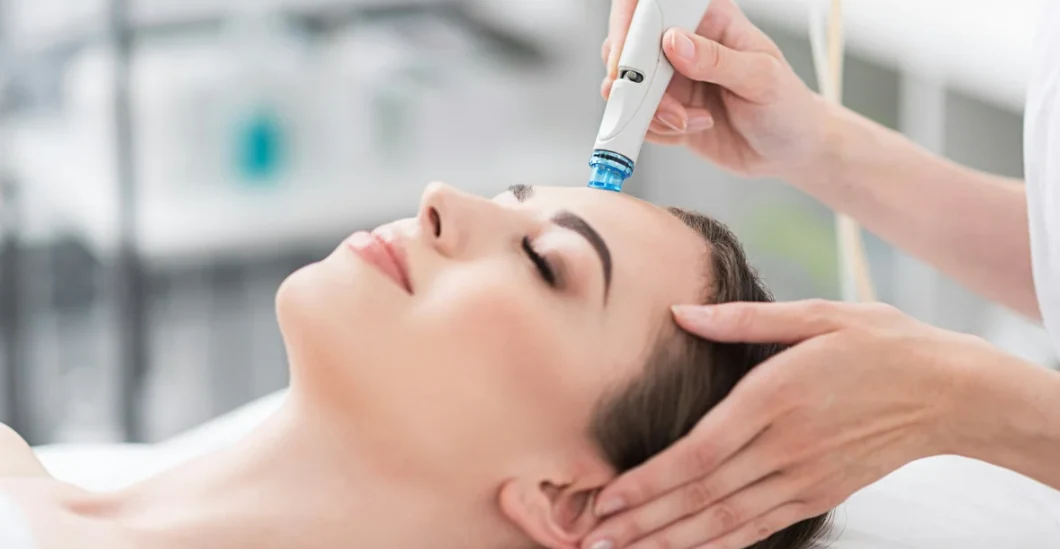
After plastic surgery, the recovery program is selected individually. After the main healing stage is complete, a cosmetologist-dermatologist may join in. They assess the condition of the skin and select procedures depending on the area and the result to be achieved. After facial plastic surgery, these may be injectable procedures as well as device-based techniques, including Ultraformer MPT. For the body, EMSCULPT NEO and Exion Body may be used.
This information is for general awareness and does not replace a doctor's consultation.