Botulinum therapy is often seen as a procedure used exclusively to correct wrinkles, although its capabilities are noticeably broader. More and more, people turn to botulinum toxin injections even before pronounced age-related changes appear, in order to keep skin smooth for longer. In this article, we explain what happens to a muscle after an injection, how botulinum therapy differs from Botox, who it is suitable for, and why patients aged 25–35 are increasingly choosing this method not for correction, but for prevention.
What is botulinum therapy in simple terms?
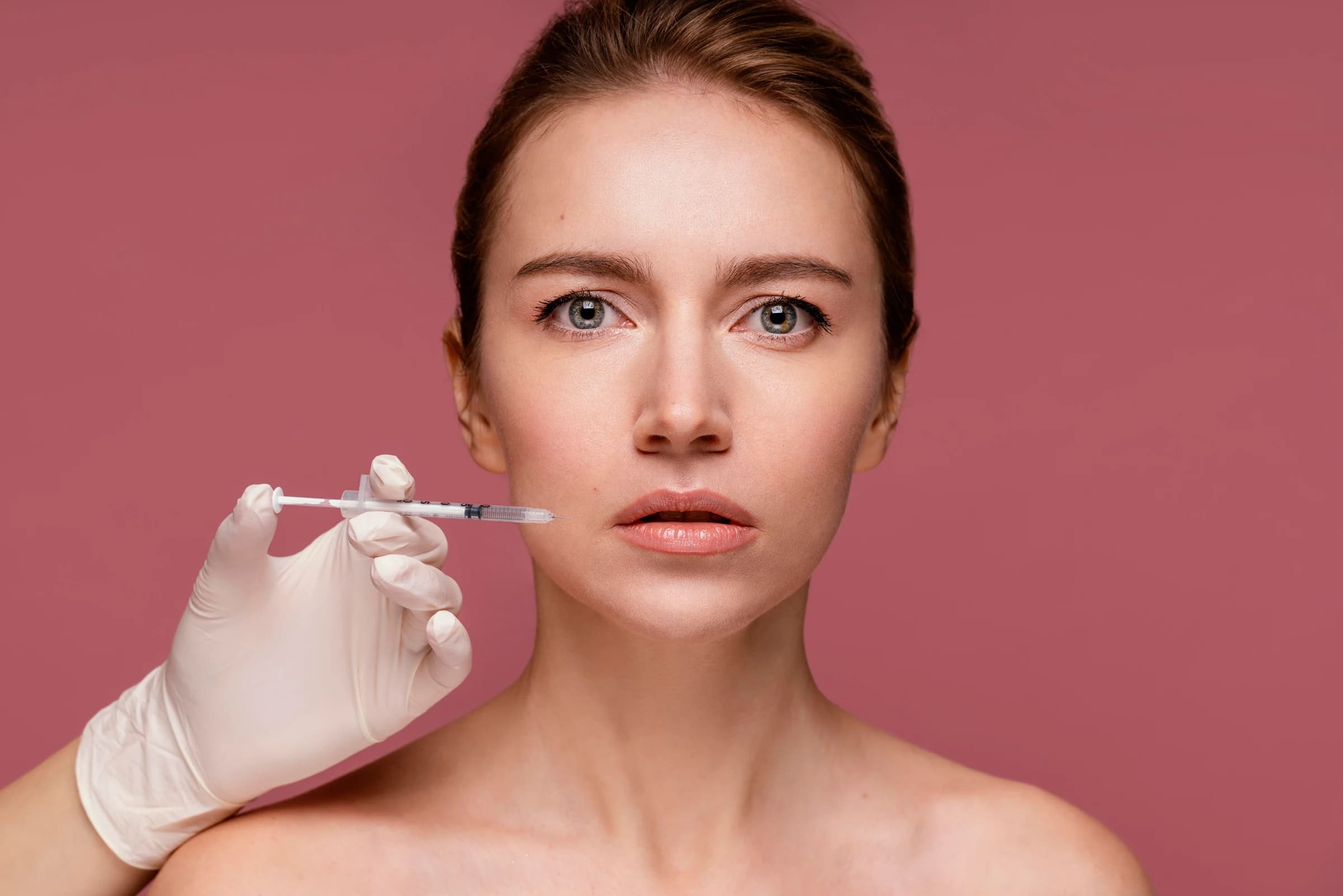
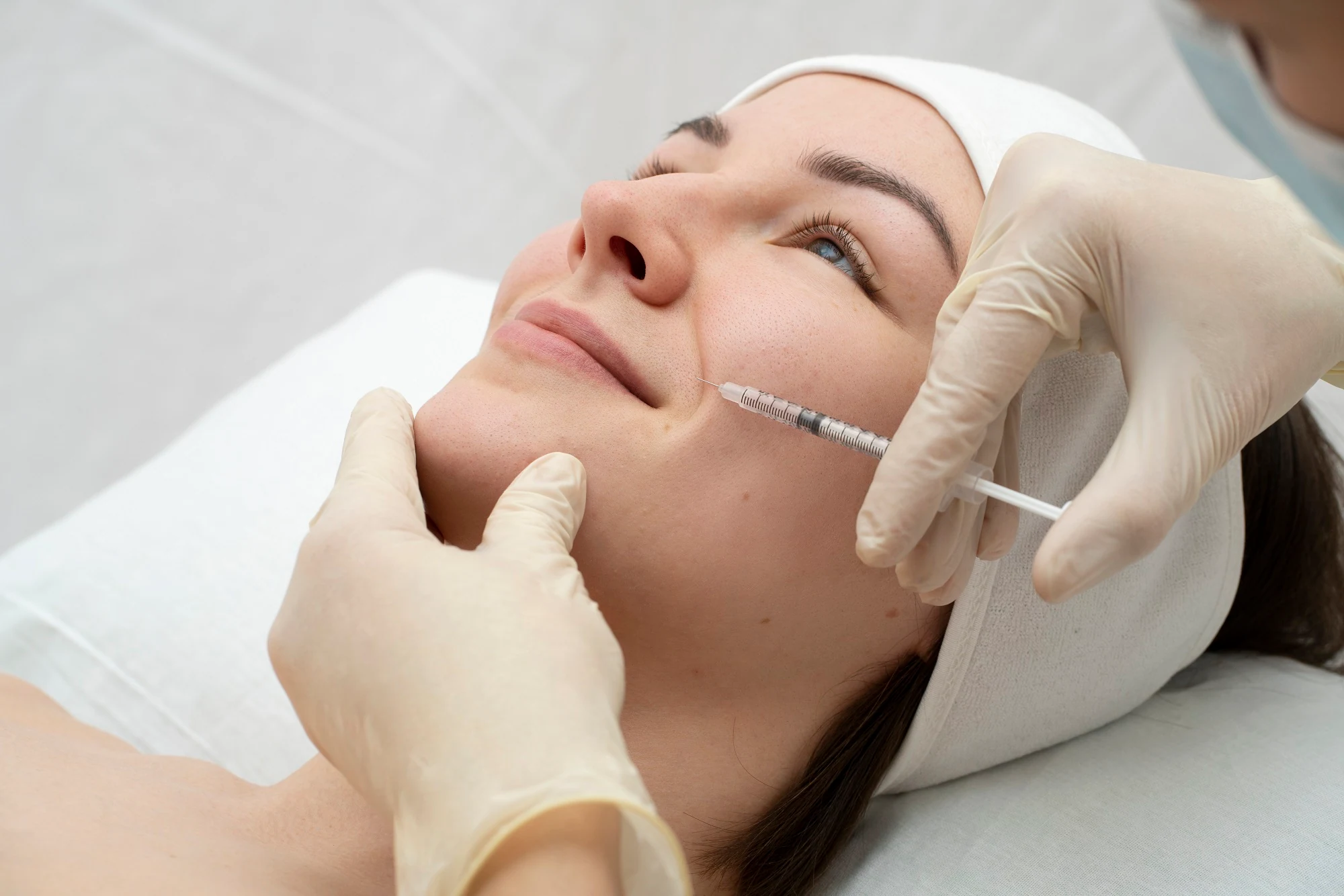
Botulinum therapy is one of the methods of injectable cosmetology, in which a doctor introduces small doses of botulinum toxin into the muscles responsible for active facial expressions. The drug temporarily reduces the transmission of the nerve signal to the muscle, so it contracts less strongly. As a result, expression wrinkles become less pronounced, and the skin in that area looks smoother.
How does botulinum therapy work?
For a muscle to contract, it must receive a signal from the nerve at the point where they meet. Botulinum toxin temporarily blocks this transmission site, so part of the impulses don’t get through. At the same time, the muscle tissue doesn’t atrophy — it simply becomes temporarily less sensitive to the signal.
Comment from a Genevity cosmetologist: “To achieve the desired effect, it isn’t necessary to fully block the muscle’s work. It’s enough to reduce nerve signal transmission, and the muscle starts contracting less actively. In other words, we’re not ‘switching off’ facial expressions — we’re gently reducing their intensity. After a few months, the drug’s effect gradually wears off, and the muscle returns to its usual activity.”
Botulinum therapy and Botox: are they the same thing?
In everyday speech, “Botox” is often used to refer to any botulinum toxin injection, but that’s not quite accurate. Botox is the name of a specific product, while botulinum therapy is the method of administering agents based on this substance to temporarily reduce the activity of certain muscles. In doing so, a doctor may use products from different manufacturers.
Indications for botulinum therapy
Botulinum therapy is used both in aesthetic medicine and to correct conditions associated with increased activity of muscles and sweat glands. The main indications for the procedure are:
expression wrinkles on the forehead, between the brows, and around the eyes;
drooping corners of the mouth;
pronounced activity of the chin muscles;
platysmal bands and individual wrinkles on the neck;
correcting the position of the eyebrows;
hyperhidrosis of the underarms, palms, and feet;
bruxism and hypertrophy of the chewing muscles.
Preventive injections deserve special mention: here the decision depends not so much on age as on the individual features of facial expression.
Comment from a Genevity cosmetologist: “For preventive botulinum therapy, what matters isn’t age itself but the activity of facial expressions. If we see that certain muscles are already actively forming wrinkles, small doses of botulinum toxin help reduce that load and keep the skin smooth for longer.”
Botulinum therapy: pros and cons
The main advantage of facial botulinum therapy is predictability. It’s one of the most studied techniques in aesthetic medicine. With the right dose, a doctor can fairly accurately predict the degree of correction.
Advantage | Practical significance |
|---|---|
Predictable result | The doctor can calculate the dose and degree of correction in advance |
Fast effect | The first changes are usually noticeable after 3–5 days |
Short procedure | Injections take an average of 15–30 minutes |
Minimal recovery | You can quickly return to your usual routine after the procedure |
For comprehensive rejuvenation, botulinum therapy can be combined with device-based techniques. At Genevity, it’s combined, for example, with EMFACE and Ultraformer MPT, when the goal is to correct facial expression, tighten facial tissues, and improve contours at the same time.
The main possible drawback is the temporary effect. After 3–6 months, the effect of the botulinum toxin gradually wears off, so the procedure needs to be repeated periodically to maintain the result.
Who might the procedure be contraindicated for?
Before botulinum therapy, the doctor checks the patient’s health status, possible restrictions, and the risk of side effects. The procedure isn’t performed or is postponed in the following cases:
pregnancy and breastfeeding;
neuromuscular diseases, including myasthenia gravis;
inflammation or skin infection in the intended injection area;
known allergy to the drug’s components;
acute illnesses and flare-ups of chronic conditions — until the condition stabilizes.
Comment from a Genevity cosmetologist: “At the consultation, we always ask what medications the patient is taking. Some drugs, including certain antibiotics, can enhance the effect of botulinum toxin. That’s why it’s important to tell your doctor about all the medications you’re taking before the procedure, even if they seem unrelated to cosmetology.”
How does the procedure go, and when does the effect appear?
Before the procedure, the doctor assesses facial expressions: asking the patient to frown, smile, and raise their eyebrows, and observing which muscles contract most actively. This is necessary to determine the injection zones and precisely calculate the drug dose.
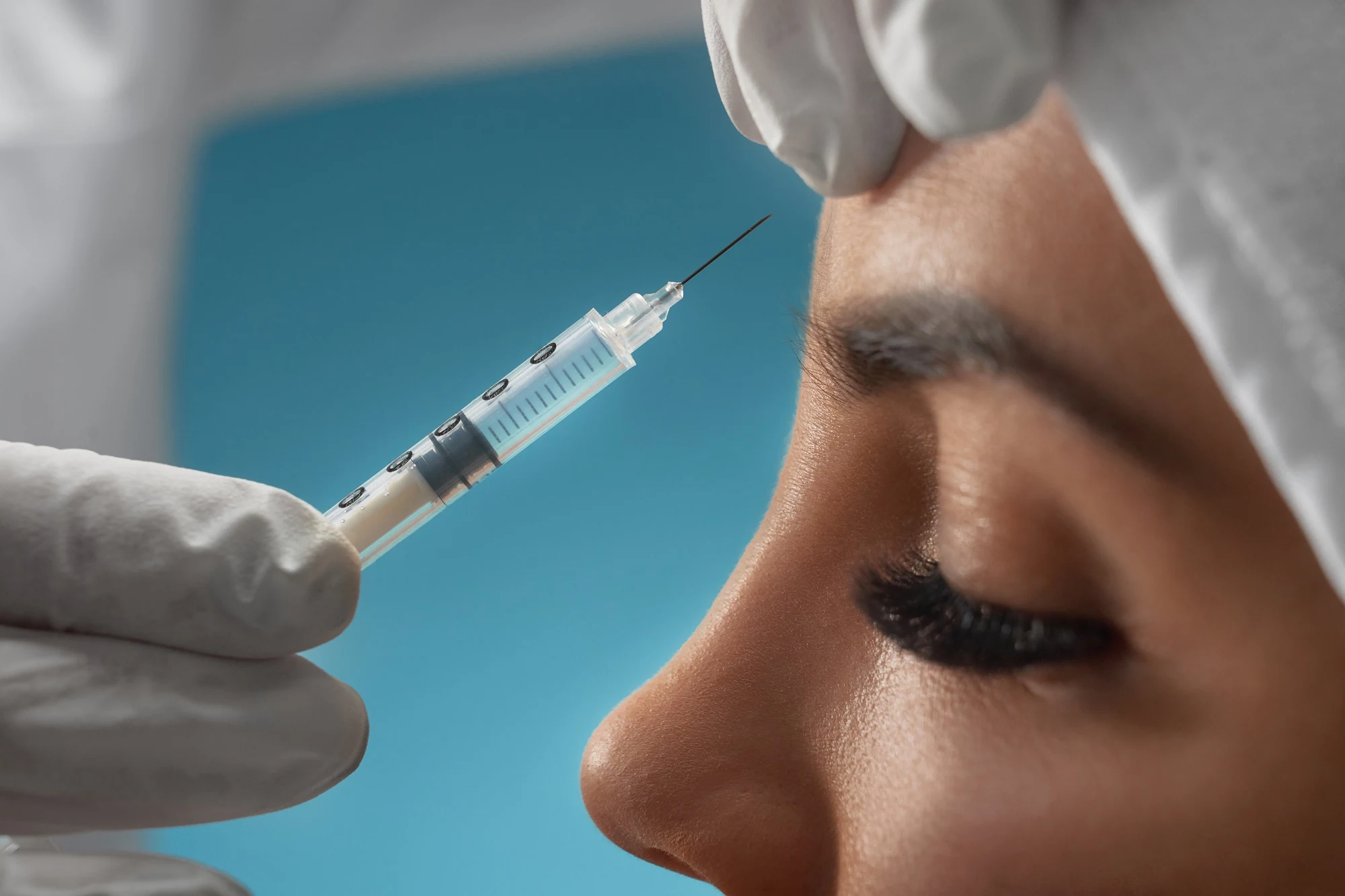
The skin is cleansed and, if needed, a numbing cream is applied. The doctor then injects the drug with an ultra-thin needle into pre-marked points. The procedure takes about 15–30 minutes.
For 4 hours after botulinum therapy, it’s not recommended to tilt the head or lie down. For 24–48 hours, avoid physical exertion, sauna, alcohol, and facial massage, and avoid putting pressure on the injection areas. Makeup can be applied after 4 hours.
Comment from a Genevity cosmetologist: “Botulinum toxin works gradually. Patients usually notice the first changes after 3–5 days, and the final result appears in about two weeks. That’s why we invite the patient for a follow-up visit after 10–14 days, to assess the effect and see whether additional correction is needed.”
Properly performed botulinum therapy allows active facial expressions to be corrected without a lengthy recovery period, while preserving a natural facial expression. At Genevity, the doctor selects the injection zones and dose after assessing facial expression, so the result looks harmonious and matches the patient’s individual facial features.
This information is for general awareness and does not replace a doctor's consultation.
Author
Sepkina Hanna Serhiivna