Upper Eyelid Blepharoplasty in Dnipro
Upper eyelid blepharoplasty is a plastic surgery procedure to correct excess skin and certain soft-tissue changes of the upper eyelids. It can help remove pronounced hooding of the skin folds, correct fat bulges and give the upper eyelids a more open contour.
What Is Upper Blepharoplasty?
Upper blepharoplasty is the surgical correction of the upper eyelids, performed to remove excess skin and change the contour of the soft tissues. During the operation the plastic surgeon usually makes an incision in the natural crease of the upper eyelid. Through this access a predetermined amount of skin is removed and, where needed, the fat pads are adjusted. Once healed, the scar usually lies within the eyelid crease and may be barely visible when the eyes are open. Upper blepharoplasty allows the planned excess skin to be removed and, where needed, the fatty tissue to be corrected. The surgeon's task is not to remove as much tissue as possible but to preserve the natural shape of the eyes and normal eyelid function.
GENEVITY — the Centre for Longevity and Quality of Life in Dnipro — approaches aesthetic surgery in the context of health, a natural appearance and the patient's individual comfort.
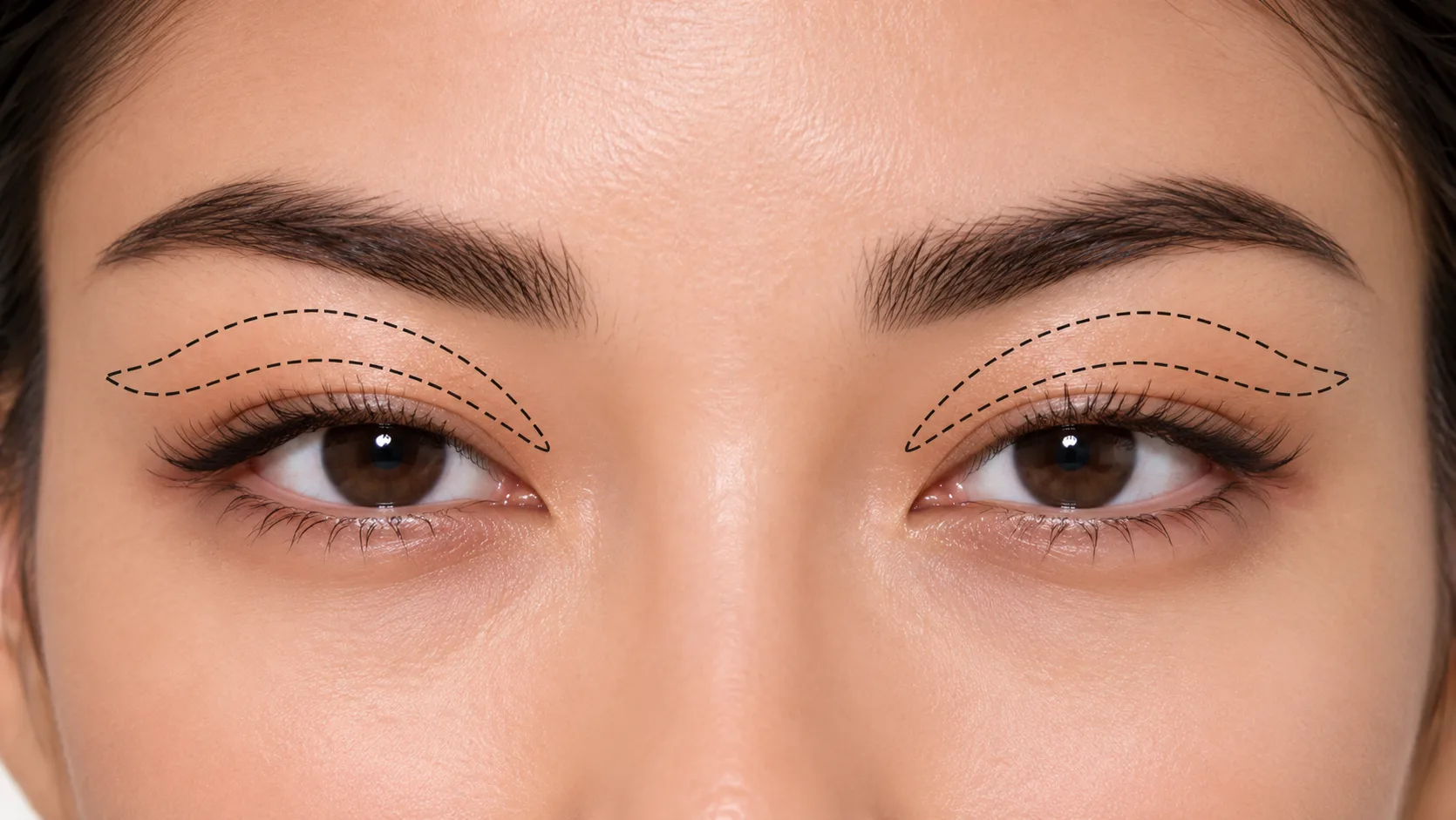
The operation is not designed to treat every cause of upper eyelid drooping. If the eyelid droops because the muscle that lifts it is not working properly, ptosis correction may be needed. If the hooding is mainly due to low-set brows, the surgeon may consider a brow lift. That is why, before blepharoplasty, it is essential to determine which anatomical changes are causing the patient's concerns.
Why Do the Upper Eyelids Become Hooded?
Upper eyelid hooding can have several causes. With age, the skin around the eyes gradually loses elasticity. As a result, the upper eyelids may look heavier and the skin folds may descend towards the lash line. In some people these features are present from a young age and are linked to heredity or anatomical structure. When upper eyelid hooding is pronounced, the changes may be functional as well as aesthetic: in some cases the excess tissue restricts the upper part of the visual field.
The Main Causes of Hooding
Age-related skin changes — with age, skin elasticity decreases and the supporting structures of the eyelids change. Excess skin can form folds that become more noticeable when the eyes are open.
Hereditary features — some people have a pronounced upper eyelid fold from a young age. This may be linked to the individual anatomy of the eye sockets, the amount of soft tissue and the position of the brows.
Brow descent — when the brows sit low, the skin of the upper face can shift downwards and increase the hooding over the eyes. In this situation removing eyelid skin does not always solve the underlying problem.
Changes in the fat pads — the upper eyelids contain fatty structures that can cause localised bulges. Where indicated, the surgeon can adjust their volume.
Ptosis is a drooping of the upper eyelid margin, which may be caused by a malfunction of the muscle that lifts the eyelid or of its tendon structures. This condition must be distinguished from excess skin. Standard blepharoplasty does not always correct true ptosis.
Indications for Upper Eyelid Blepharoplasty
- pronounced excess skin of the upper eyelids;
- a skin fold hanging over the lash line;
- a change in the natural contour of the upper eyelid;
- fat bulges in the upper eyelids;
- asymmetry of the skin folds;
- a feeling of heaviness in the upper eyelids;
- difficulty applying make-up because of pronounced folds;
- restriction of the upper visual field by excess skin, confirmed on examination;
- a wish to correct age-related changes around the eyes.
Contraindications to Upper Eyelid Blepharoplasty
- acute infectious diseases;
- active inflammation around the eyes;
- decompensated chronic conditions;
- blood clotting disorders;
- conditions that increase the risk of anaesthesia;
- significantly impaired tissue healing;
- certain eye diseases;
- other individual medical restrictions.
Not every case of hooded skin requires surgery. The decision is made individually after assessing the anatomy, eyelid function and general health.
Who Is a Candidate for Upper Blepharoplasty?
Upper blepharoplasty may be considered for adult patients with pronounced excess skin or certain soft-tissue changes of the upper eyelids. Age alone does not determine whether surgery is needed. What matters more is the nature of the changes and their effect on appearance or eyelid function.
When Planning the Operation, the Surgeon Assesses
the amount of excess skin;
the position of the upper eyelid margin;
the height and symmetry of the brows;
the position of the natural eyelid crease;
the condition of the fat pads;
the ability of the eyes to close fully;
the condition of the tear film;
any dryness of the eyes;
facial expression;
previous operations;
general health.
What Results Are Possible After Upper Blepharoplasty?
Removing the planned excess skin reduces the prominence of the folds above the lash line.
After correction, the natural eyelid crease may become more visible.
Where needed, the surgeon can reduce the prominence of individual fat pads.
The operation can help make the contours of the upper eyelids more alike, although complete symmetry is not guaranteed.
If excess skin genuinely obstructs the upper part of the visual field, removing it may improve the field of view.
Blepharoplasty does not, however, treat short-sightedness, long-sightedness, cataracts or other eye diseases.
How Is Upper Eyelid Blepharoplasty Performed?
Consultation with a Plastic Surgeon
At the consultation the surgeon assesses the amount of excess skin, the position of the brows, the condition of the eyelids and any asymmetry. The patient's wishes, possible results, the limitations of the operation and the surgical risks are discussed. If ptosis, an eye condition or a tear-film disorder is suspected, a consultation with an ophthalmologist may be needed.
Preoperative Assessment
Before the operation the necessary health assessment is carried out. The surgeon asks about chronic conditions, current medication, allergies and previous procedures. Additional investigations are arranged if needed.
Marking the Upper Eyelids
Before the operation the surgeon determines where the incisions will be and how much skin will be removed. The marking takes into account the natural creases, the position of the brows and the need to preserve normal eye closure.
Anaesthesia
Isolated upper blepharoplasty is often performed under local anaesthesia. In some cases sedation or another form of anaesthetic care may be used. The choice is made individually.
Surgical Correction
The surgeon makes an incision along the pre-marked line, removes the excess skin and, where needed, adjusts the fatty tissue. The incision is then sutured. It is important to preserve enough skin for the eyelids to close normally after the operation.
Postoperative Monitoring
After the procedure the surgeon assesses the tissues, the degree of swelling and the patient's general wellbeing. After an uncomplicated isolated operation, patients can often go home the same day.
How Long Does the Operation Take?
The length of upper blepharoplasty depends on the extent of the correction and the patient's anatomy. An isolated operation on both upper eyelids often takes around one to two hours, although the actual time may vary. If ptosis correction, a brow lift or another procedure is performed at the same time, the operation takes longer.
Recovery After Upper Eyelid Blepharoplasty
Recovery after the operation is usually gradual. The severity of symptoms varies from person to person.
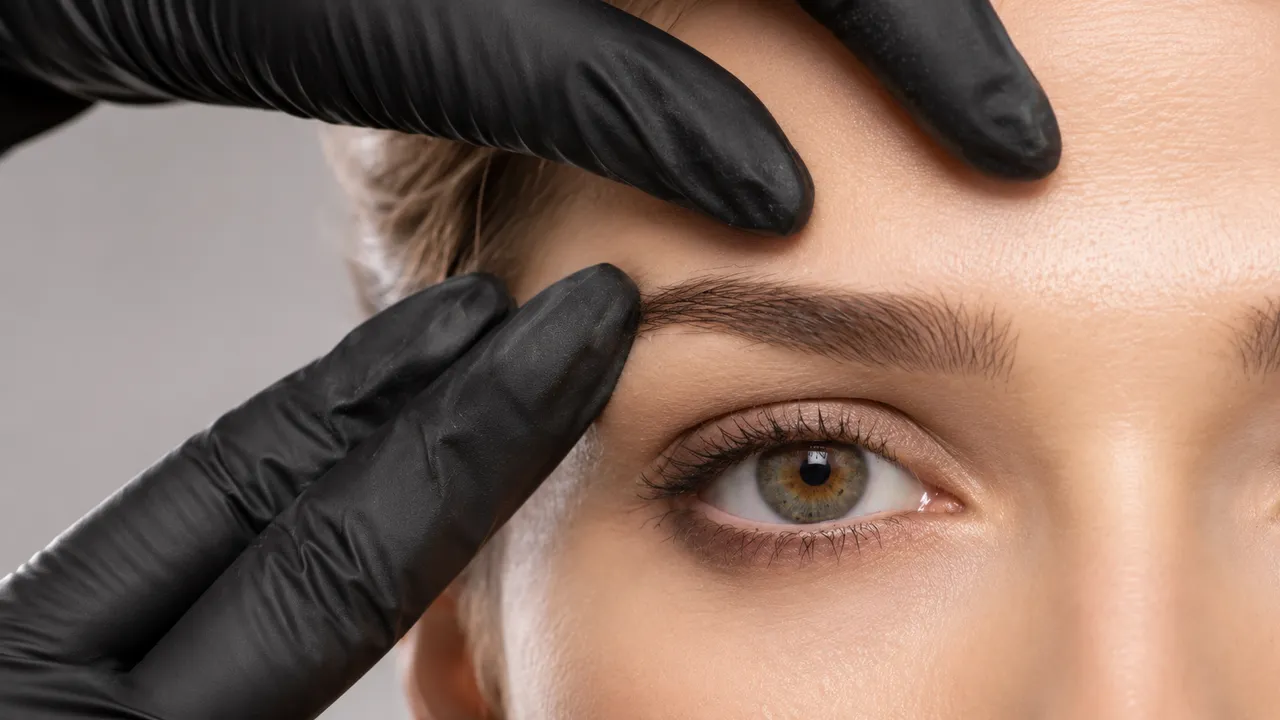
In the First Days You May Experience
swelling of the eyelids;
bruising;
a feeling of skin tightness;
moderate tenderness;
temporary sensitivity around the sutures;
dryness or watering of the eyes;
temporarily blurred vision, including from eye ointments.
Aftercare Recommendations
follow your surgeon's instructions;
use the prescribed eye medication;
care for the sutures correctly;
do not rub your eyes;
avoid strenuous physical activity;
avoid eye make-up for the time being;
do not wear contact lenses until your surgeon allows it;
protect the eyelid area from strong sun exposure;
attend your follow-up appointments.
Cold compresses and other measures should be used in line with your surgeon's recommendations.
When Are the Stitches Removed?
If non-absorbable sutures were used, they are usually removed within the first week after surgery. The exact timing depends on the technique and how healing progresses.
When Can I Return to Work?
With an uncomplicated recovery, some patients return to light work after a few days or one to two weeks. If your work involves physical exertion, dust or other irritants, restrictions may last longer.
When Can I Exercise?
Strenuous exercise, heavy lifting and activities that raise pressure are usually restricted for several weeks. Resuming exercise should be agreed with your surgeon.
When Can the Results of Upper Blepharoplasty Be Seen?
The first changes become visible as postoperative swelling subsides. During the first weeks the eyelid contours may remain uneven while the tissues heal. Gradually the puffiness subsides and the scars become less prominent. The final result is usually assessed after several months. The effect of the operation can be long-lasting, but natural ageing continues.
Does Upper Blepharoplasty Leave Scars?
A scar remains along the line of the surgical incision. In standard upper blepharoplasty the incision is usually placed in the natural eyelid crease. This can make the mark of the operation less noticeable once healed. However, scarring cannot be ruled out completely. The appearance of the scar depends on individual skin characteristics, the surgical technique and adherence to aftercare instructions.
Will the Shape of My Eyes Change After Upper Blepharoplasty?
Standard upper blepharoplasty mainly targets excess skin and soft tissue. Its aim is not usually to change the anatomical shape of the eyes. However, once the hooding folds are removed, the eyes may look more open. In some cases the crease position or the contour of the upper eyelid changes more noticeably than expected. That is why it is important to discuss the desired result and possible limitations with your surgeon before the operation.
Upper Blepharoplasty or a Brow Lift?
Hooded skin over the eyes is not always caused by the upper eyelids alone. If the brows sit low, their descent can deepen the skin folds. In this situation the surgeon may recommend a brow lift or a combination of techniques. Upper blepharoplasty removes excess skin and corrects the soft tissues of the upper eyelids. A brow lift changes the position of the brows and forehead tissues. The choice depends on the anatomical cause of the hooding.
Upper Blepharoplasty and Ptosis Correction: What Is the Difference?
These operations can address different problems. With excess upper eyelid skin, the main problem is the overhanging skin fold. With true ptosis, the eyelid margin itself droops because of changes in the muscle or its tendon. If a patient has both conditions, a combined operation may be needed. Misidentifying the cause of the hooding can lead to an unsatisfactory result.
Can Upper Blepharoplasty Be Done Without Surgery?
True blepharoplasty is a surgical procedure. Cosmetic treatments can improve certain skin characteristics but cannot always remove pronounced excess tissue. For fine lines and some changes in skin quality, device-based or injectable treatments may be considered. However, with significant upper eyelid hooding they usually do not achieve a result comparable to the surgical removal of excess skin. The choice of method should be based on an examination and medical indications.
Before the operation, your general health and the condition of your eyes must be assessed. Dry eye syndrome, thyroid disease affecting the eyes and previous operations require particular attention during planning.
Possible Risks and Complications
bleeding;
haematoma;
infection;
impaired healing;
eyelid asymmetry;
noticeable scars;
temporary or permanent changes in sensation;
dry and irritated eyes;
incomplete eyelid closure;
a change in the natural eyelid crease;
under- or over-correction;
an unsatisfactory aesthetic result;
the need for a further operation.
A rare but serious complication is bleeding into the orbit, which can threaten vision. Sudden deterioration in vision, severe increasing pain in the eye or rapidly increasing swelling after the operation require emergency medical care.
Upper Eyelid Blepharoplasty for Men
Upper blepharoplasty can be performed on both women and men. When planning the operation for men, the surgeon takes into account the structure of the upper eyelids, the brow position and the natural crease. The main goal is to remove excess tissue while preserving individual features. The technique should not automatically assume the same crease shape for every patient.
Upper Eyelid Blepharoplasty and Quality of Life
Changes in the upper eyelids may be a natural feature of appearance or the result of ageing. They do not always require surgery. However, with pronounced hooding some patients experience aesthetic discomfort and, in some cases, functional limitations. GENEVITY — the Centre for Longevity and Quality of Life — considers aesthetic wishes together with health and the body's functional characteristics. When planning upper blepharoplasty, it is important to preserve normal eyelid closure, protect the surface of the eye and keep expectations realistic.
How Much Does Upper Eyelid Blepharoplasty Cost in Dnipro?
The price of upper eyelid blepharoplasty in Dnipro depends on the complexity of the correction, the extent of the procedure and the individual surgical plan.
Factors That May Affect the Cost
the amount of excess skin;
the need to correct the fat pads;
the presence of asymmetry;
the need for additional ptosis correction;
whether it is a primary or revision operation;
the type of anaesthesia;
preoperative investigations;
postoperative follow-up.
The exact cost is determined after a consultation with a plastic surgeon. For current prices and the correction methods available, contact GENEVITY — the Centre for Longevity and Quality of Life in Dnipro. If you are bothered by hooded upper eyelids, excess skin or changes in the contour around your eyes, the first step should be a consultation with a qualified plastic surgeon. The specialist will assess your skin, brow position, upper eyelid function and the possible causes of the hooding. After the examination the surgeon will be able to tell you whether upper blepharoplasty is right for you, what correction methods are possible and what limitations need to be considered.
Our Medical Team
Consultations are provided by specialists across multiple disciplines, ensuring a comprehensive approach to your health
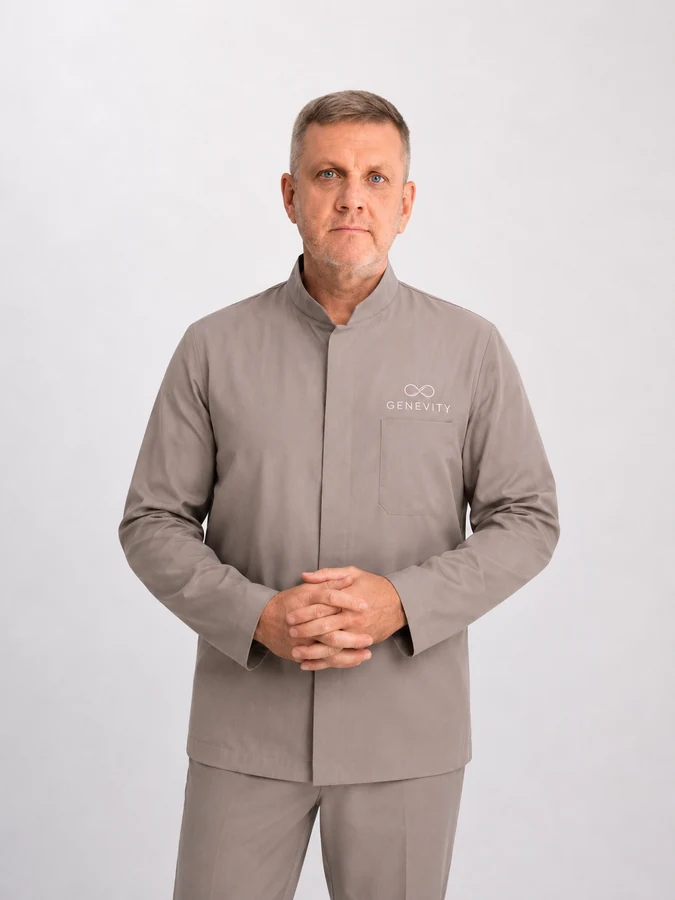
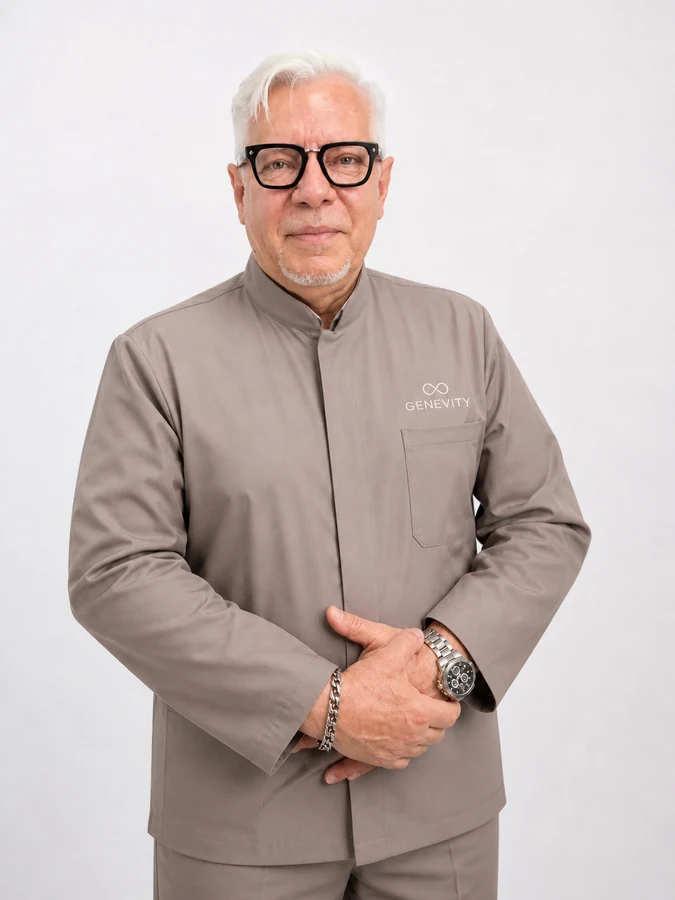
Harmash Serhii Kostiantynovych
Plastic Surgeon, Oncologist, Dermatologist
Experience: 41 years
Learn MoreYou may also be interested in
Blepharoplasty
Blepharoplasty at GENEVITY is a surgical procedure designed to correct age-related changes in the upper and lower eyelids, remove excess skin, and address protruding fat pads around the eyes. The procedure can help create a more open and refreshed appearance while preserving natural facial features. The plastic surgeon selects the most appropriate technique individually, taking into account eyelid anatomy, tissue condition, and the desired outcome.
Circular Blepharoplasty
Circular blepharoplasty is a plastic surgery procedure for the combined correction of the upper and lower eyelids. It can remove excess skin, correct fat bulges, reduce bags under the eyes and improve the contours of the area around the eyes.
Lower Eyelid Blepharoplasty
Lower eyelid blepharoplasty is a cosmetic operation to correct under-eye bags, fat bulges, excess skin and certain age-related changes in the lower eyelids. Depending on the patient's anatomy, the surgeon may remove or redistribute fatty tissue, correct skin folds and improve the transition between the lower eyelid and the cheek.
FAQ
It is a surgical operation to remove excess skin and correct certain soft tissues of the upper eyelids.
If the hooding is caused by excess skin, upper blepharoplasty can help reduce it. If the cause is brow descent or true ptosis, a different operation may be needed.
There is no single age threshold. The decision depends on anatomical features, the degree of change and general health.
Yes, isolated upper blepharoplasty is often performed under local anaesthesia. The appropriate option is chosen individually.
An operation on both upper eyelids often takes around one to two hours, but the actual duration depends on the complexity of the procedure.
Anaesthesia is used during the operation. Afterwards, tenderness, swelling and a feeling of tightness are possible.
Yes, scars remain, but with the standard technique the incision lies in the natural eyelid crease and may be barely visible once healed.
If non-absorbable sutures were used, they are usually removed within the first week. Your surgeon will set the exact timing.
Make-up is allowed once the tissues have healed sufficiently and your surgeon has approved it.
Contact lenses are usually avoided in the early postoperative period. Your surgeon will decide when you can resume wearing them.
If excess skin was obstructing the upper visual field, removing it may improve the field of view. However, the operation does not treat eye diseases or improve visual acuity in refractive errors.
The result can last for many years, but natural skin ageing continues.
In some cases a repeat operation is possible, but it requires careful assessment of the skin, scars and eyelid function.
Upper blepharoplasty addresses the upper eyelids only. Circular blepharoplasty corrects both the upper and lower eyelids in a single procedure.
Book a consultation
Our specialists will create the optimal program for you
This information is for general awareness and does not replace a doctor's consultation.