Endoscopic Plastic Surgery in Dnipro
Endoscopic plastic surgery is a modern field of aesthetic medicine that allows age-related changes in the face to be corrected using specialised surgical instruments and endoscopic equipment. The technique is used to lift and reposition soft tissues through small incisions which, in certain cases, can be placed in inconspicuous areas.
What Is Endoscopic Plastic Surgery?
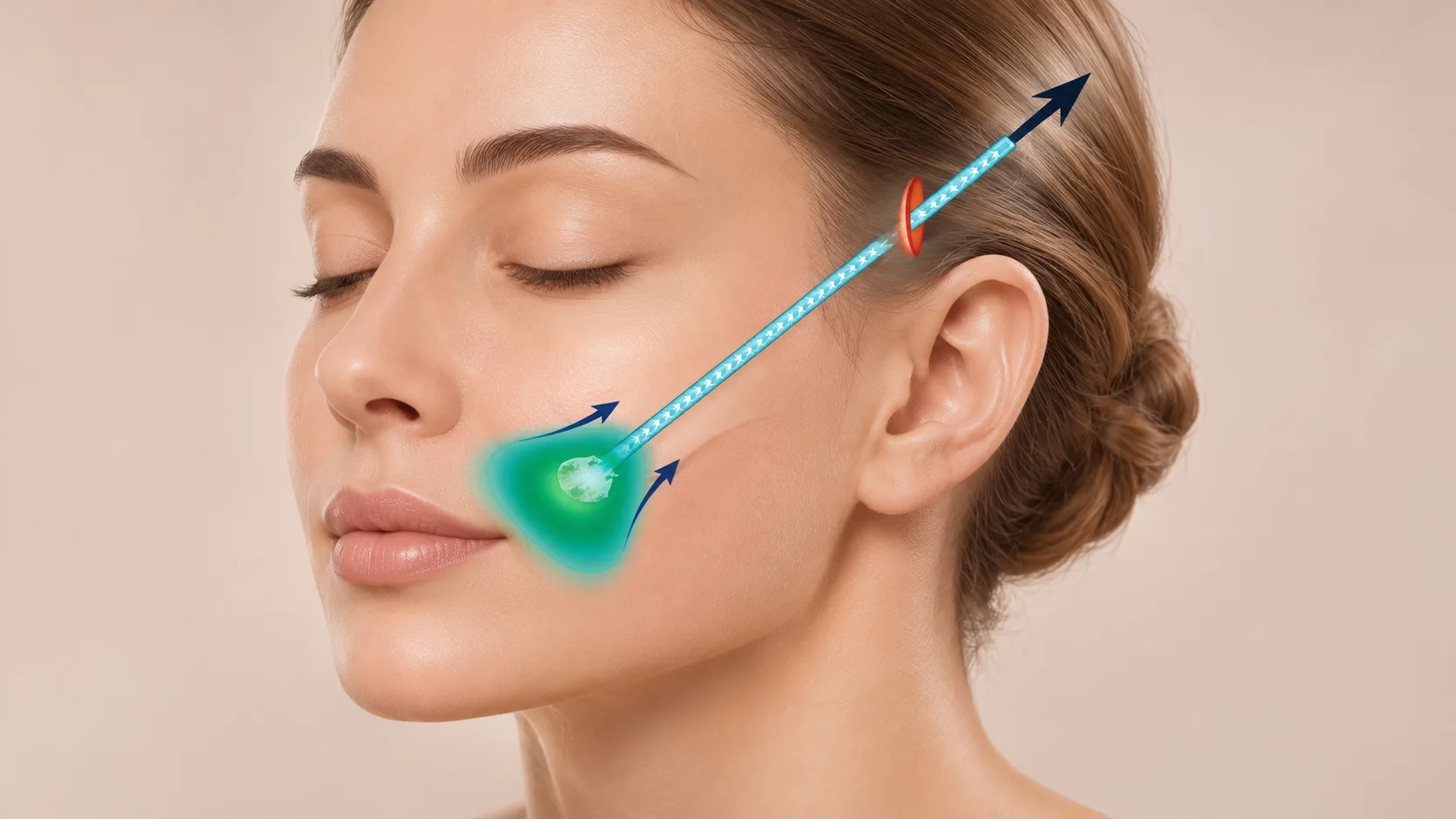
Endoscopic plastic surgery is a way of performing certain aesthetic operations using an endoscope, a specialised device with a miniature camera that transmits a magnified image of the tissues to a monitor. During the operation the plastic surgeon can visualise the anatomical structures and carry out the necessary manipulations through small surgical access points. Endoscopic techniques are particularly in demand for correcting age-related changes in the upper and middle thirds of the face. The method can be used to change the position of the brows, correct the soft tissues of the forehead and perform certain types of facelift. Unlike some traditional open operations, endoscopic procedures allow the length of external incisions to be reduced. However, the choice of surgical technique always depends on the patient's anatomy, the degree of age-related change and the expected result. Modern endoscopic technology helps perform certain types of plastic surgery with precise visual control. The aim of these procedures is a balanced correction of age-related changes that preserves individual features.
At GENEVITY — the Centre for Longevity and Quality of Life in Dnipro — aesthetic medicine is seen as part of a comprehensive approach to maintaining attractiveness, self-confidence and wellbeing.
Advantages of Endoscopic Plastic Surgery
In some operations the surgical access points are placed within the scalp or in other inconspicuous areas. This helps make postoperative scars less visible.
The endoscopic camera transmits a magnified image of the operative field, helping the surgeon navigate the anatomical structures and control the course of the procedure.
One of the goals of aesthetic correction is to improve the position of the tissues without excessively altering individual features. With the right indications, endoscopic methods can be used to achieve this.
Endoscopic correction can form part of an individual aesthetic treatment plan and, in some cases, be combined with other surgical or non-surgical procedures.
The extent of the operation is determined after a consultation and an assessment of the tissues. This allows the technique to be matched to the specific anatomical changes and needs of the patient.
Endoscopic surgery does not, however, eliminate the risks inherent in surgery, nor does it guarantee a faster recovery in every case.
Which Operations Are Performed Endoscopically?
Endoscopic techniques are mainly used for the surgical correction of the upper and middle thirds of the face.
Endoscopic Forehead Lift
An endoscopic forehead lift is a surgical technique aimed at correcting the position of the soft tissues of the upper third of the face. With age, the tissues of the forehead and brow area can gradually shift, changing the facial expression. This sometimes creates an impression of tiredness or a heavy gaze. During an endoscopic lift the surgeon accesses the relevant anatomical structures through small incisions, then repositions and secures them. The technique may be considered for brow descent and certain other changes in the upper third of the face.
Endoscopic Brow Lift
An endoscopic brow lift is used to correct the position of the brows and restore more balanced proportions to the upper face. The operation may be recommended for marked brow descent, asymmetry in brow position or age-related changes caused by soft-tissue displacement. The decision on whether surgery is needed is made after assessing the skin, the brow position and the structure of the face.
Endoscopic Midface Lift
An endoscopic midface lift aims to correct the position of the soft tissues in the cheek and cheekbone area. Age-related changes may involve volume loss in certain areas, changes in contour and displacement of the tissues. Depending on the patient's anatomy, the surgeon may consider endoscopic repositioning and fixation of the soft tissues.
Endoscopic Facial Rejuvenation
Endoscopic facial rejuvenation is the general name for surgical techniques that correct specific age-related changes using endoscopic equipment. Depending on the indications, the procedure may involve the upper face, the midface or several anatomical areas. The specific extent of correction is determined individually. The endoscopic method is not a universal substitute for a classic facelift.
Indications for Endoscopic Plastic Surgery
- descent of the brows;
- a change in the position of the forehead tissues;
- age-related changes in the upper third of the face;
- displacement of the midface soft tissues;
- changes in the contours of the cheekbone area;
- asymmetry in the position of individual facial structures;
- a wish to correct age-related changes surgically;
- insufficient effectiveness of non-surgical methods for a specific aesthetic concern.
Contraindications to Endoscopic Plastic Surgery
- Acute infectious diseases.
- Certain blood clotting disorders.
- Decompensated chronic conditions.
- Conditions that increase the risk of complications.
Endoscopic operations can suit patients with various age-related changes. Age in itself is not the main criterion for choosing the method. The plastic surgeon assesses skin quality, the degree of excess skin, the position of the soft tissues, individual anatomy and general health.
When May Endoscopic Surgery Be Ineffective?
Despite the possibilities of endoscopic technology, the technique does not suit every patient. With significant excess skin, marked descent of the lower face or other complex age-related changes, alternative surgical methods may be required. An endoscopic procedure also cannot always address concerns that relate mainly to skin quality, pigmentation or fine superficial lines. That is why, before choosing an operation, it is important to identify the causes of the aesthetic changes and weigh up the possible results of different correction methods.
How Is Endoscopic Plastic Surgery Performed?
Consultation with a Plastic Surgeon
The first stage is an individual consultation. The surgeon assesses the anatomical features of the face, the degree of age-related change and the condition of the skin and soft tissues. The patient's wishes, possible correction options, expected results and the limitations of the chosen technique are discussed. Particular attention is paid to the medical history, previous operations, chronic conditions and factors that may affect the safety of the procedure.
Preoperative Assessment
Before the operation the patient undergoes the necessary investigations. Depending on the extent of the procedure, laboratory tests, instrumental investigations and a consultation with an anaesthetist may be arranged. The purpose of the preparation is to assess general health and identify any contraindications.
The Endoscopic Operation
The procedure is performed in an operating theatre. After anaesthesia, the surgeon creates small access points in predetermined areas. The endoscopic equipment and the necessary instruments are introduced through them. The image of the operative field is displayed on a monitor, allowing the surgeon to control the surgical manipulations. Depending on the chosen technique, the soft tissues are released, repositioned and secured. The length of the procedure depends on the complexity of the operation and the extent of correction.
Postoperative Monitoring
After the operation the patient remains under medical observation. The surgeon monitors the early postoperative period, assesses the tissues and gives recovery instructions. Whether a hospital stay is needed depends on the type of procedure, the anaesthesia and the patient's condition.
Recovery After Endoscopic Plastic Surgery
Recovery after endoscopic surgery is an important part of the surgical treatment. The length of recovery depends on the chosen operation, the extent of the procedure and individual characteristics. In the first days, swelling, minor bruising, a feeling of tightness, tenderness or temporary changes in sensation may occur. These effects often accompany the natural course of postoperative recovery, but their severity and duration may vary.
Recommendations During Recovery
follow your plastic surgeon's instructions;
attend your follow-up appointments on time;
avoid strenuous physical activity for the recommended period;
avoid injuring the treated areas;
care for the postoperative wounds correctly;
take medication only as prescribed by your doctor;
tell your specialist about any unusual symptoms or if you feel unwell.
As the swelling gradually subsides, the changes in appearance can be assessed. The final result develops as the tissues heal and settle.
Possible Risks and Contraindications
Endoscopic plastic surgery is a surgical procedure and requires a medical assessment beforehand. Possible postoperative complications include bleeding, haematomas, infection, changes in sensation, asymmetry, healing problems and an unsatisfactory aesthetic result. Depending on the area operated on, there may be additional specific risks, which the surgeon should explain before the procedure. The decision to operate is made individually after an examination and a discussion of the balance between the expected benefits and the possible risks.
Endoscopic Plastic Surgery and the Longevity Concept
A modern approach to quality of life pays attention not only to physical health but also to psychological comfort, appearance and individual needs. At GENEVITY — the Centre for Longevity and Quality of Life — aesthetic medicine is considered in the context of the patient's overall wellbeing. Age-related changes in appearance are a natural process. At the same time, some people wish to correct specific changes while keeping their recognisable features and familiar look. Endoscopic plastic surgery can be one of the tools of aesthetic correction when there are sound indications for it. It is important to understand that plastic surgery does not slow biological ageing or increase life expectancy. Its purpose is to address specific aesthetic concerns that matter to the patient. That is why the choice of surgical technique should be based on individual needs, medical safety and realistic expectations.
Endoscopic Plastic Surgery at GENEVITY in Dnipro
GENEVITY is the Centre for Longevity and Quality of Life in Dnipro, built on a comprehensive view of health, appearance and wellbeing. When choosing aesthetic methods, it is important to consider not only the desired changes in appearance but also individual characteristics, health and possible limitations. A consultation with a plastic surgeon makes it possible to identify the causes of age-related changes, assess whether surgical correction is appropriate and discuss possible treatment options. Endoscopic techniques may be considered as one option in aesthetic surgery where there are appropriate indications. The main goal of an individual approach is to find a well-founded solution that takes into account the patient's anatomy, expectations and medical safety.
How Much Does Endoscopic Plastic Surgery Cost in Dnipro?
The price of endoscopic plastic surgery depends on the nature of the procedure, the complexity of the surgical correction and the individual treatment plan.
Factors That May Affect the Cost
the type of endoscopic operation;
the extent of the surgery;
the anaesthetic care required;
the need for additional procedures;
preoperative investigations;
the length of postoperative follow-up.
The exact cost of endoscopic plastic surgery is determined after a consultation and agreement on the surgical plan. For current prices and the techniques available, contact GENEVITY — the Centre for Longevity and Quality of Life in Dnipro. If you are considering an endoscopic facelift, brow repositioning or other methods of surgical rejuvenation, start with a consultation with a specialist. At GENEVITY — the Centre for Longevity and Quality of Life in Dnipro — you can find out about the possibilities of aesthetic correction, discuss your individual wishes and get information about suitable techniques. A consultation will help establish whether surgery is indicated, which correction options are possible and what to expect from the recovery period.
Our Medical Team
Consultations are provided by specialists across multiple disciplines, ensuring a comprehensive approach to your health
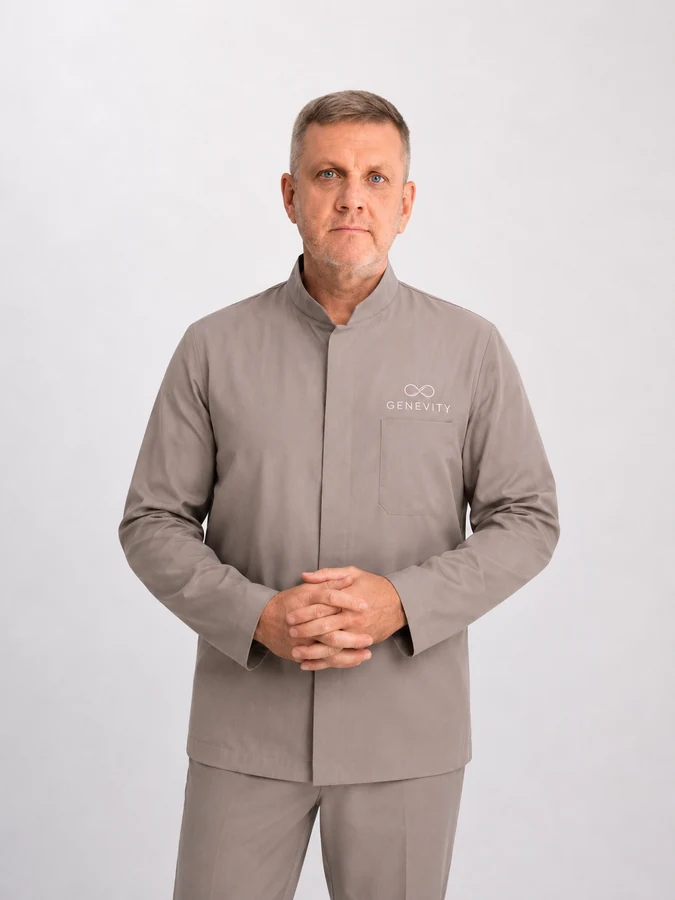
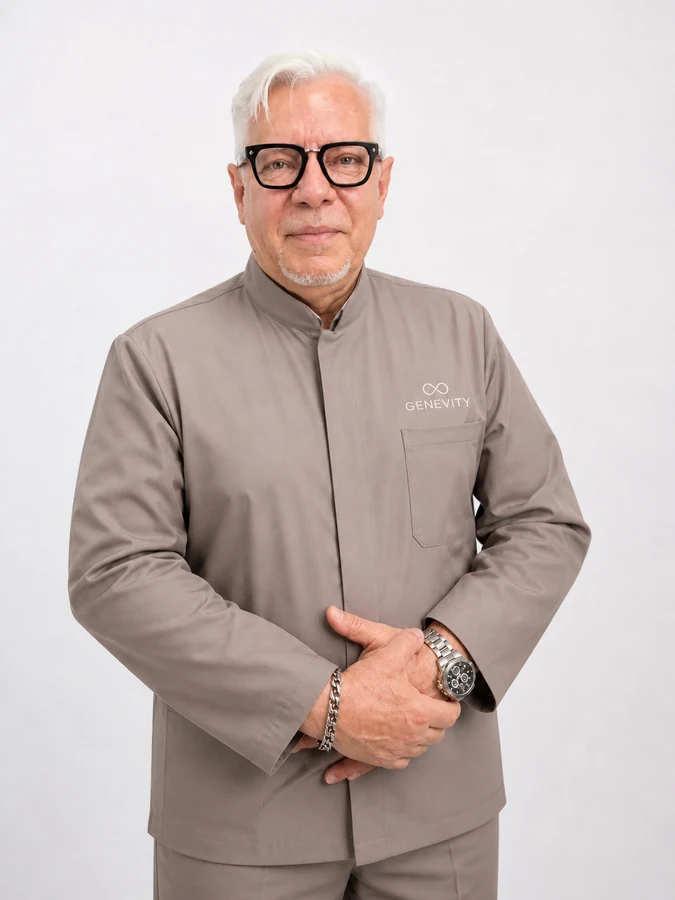
Harmash Serhii Kostiantynovych
Plastic Surgeon, Oncologist, Dermatologist
Experience: 41 years
Learn MoreYou may also be interested in
Endoscopic Facelift
An endoscopic facelift is a modern plastic surgery technique for correcting age-related changes using endoscopic equipment. During the operation the surgeon works through small incisions, using a miniature camera for visual control and specialised instruments to reposition and secure the soft tissues.
Facelift Surgery
Facelift surgery (rhytidectomy) at GENEVITY is a surgical procedure designed to correct age-related changes in the face and neck, restore facial definition, remove excess skin, and address sagging soft tissues. The plastic surgeon selects the most appropriate surgical technique individually, taking into account facial anatomy, tissue condition, and the desired outcome.
Facial Plastic Surgery
Facial plastic surgery at GENEVITY means an individual approach to aesthetic correction and rejuvenation. A facelift or neck lift, blepharoplasty, rhinoplasty, otoplasty and facial contouring each address different aesthetic and anatomical concerns. The plastic surgeon assesses the structure of the face, the condition of the tissues and the patient's wishes in order to establish whether surgery is appropriate, select a suitable technique and plan the recovery.
FAQ
The main difference is the use of endoscopic equipment to visualise the tissues and the ability to perform some operations through small incisions. However, conventional methods may be more appropriate for certain anatomical changes.
Any surgical incision can leave a scar. In some endoscopic operations the access points are placed in inconspicuous areas, such as within the scalp. The final appearance of the scars depends on individual healing.
Anaesthesia is used during the procedure, chosen according to the type of operation and the patient's condition. Afterwards, discomfort, tenderness and a feeling of tightness are possible. The surgeon prescribes the necessary measures to manage postoperative symptoms.
Recovery times vary and depend on the extent of the procedure. Initial swelling and bruising gradually subside, but full tissue recovery may take considerably longer.
There is no universal age for endoscopic correction. The indications depend on the condition of the tissues, the degree of aesthetic change, general health and the patient's expectations.
How long the result lasts depends on individual characteristics, age, tissue quality, the chosen technique and subsequent age-related changes. Surgery does not stop the natural ageing process.
In some cases endoscopic correction can be combined with other aesthetic procedures. The decision is made after an examination and an assessment of the safety of combined treatment.
A consultation with a plastic surgeon is needed to determine the indications. The specialist assesses your anatomy, the condition of the tissues and the possible options for aesthetic correction.
Book a consultation
Our specialists will create the optimal program for you
This information is for general awareness and does not replace a doctor's consultation.