Calf Lipofilling in Dnipro
Calf lipofilling is an aesthetic plastic surgery procedure that reshapes the calves and increases their volume using the patient's own fat. It may be used to improve leg contours, reduce visible asymmetry, and correct particular soft-tissue features.
What Is Calf Lipofilling?
Calf lipofilling is a surgical procedure in which the patient's own fat is used to add volume to and reshape the lower legs. In aesthetic surgery the method is also called calf lipo-contouring or autologous fat transfer. Lipofilling involves transferring fat from one area of the body to another. For calf correction, fat is usually harvested from donor areas by liposuction, prepared, and injected into pre-planned areas of the subcutaneous tissue. The main aim of the procedure is to restore soft-tissue volume in specific areas where this is needed to improve the contour. Lipofilling may be considered when the calves lack volume, are asymmetrical, or have localised soft-tissue defects.
At GENEVITY — the Centre for Longevity and Quality of Life in Dnipro — aesthetic correction is considered in the context of each person's individual characteristics, health, and everyday comfort.
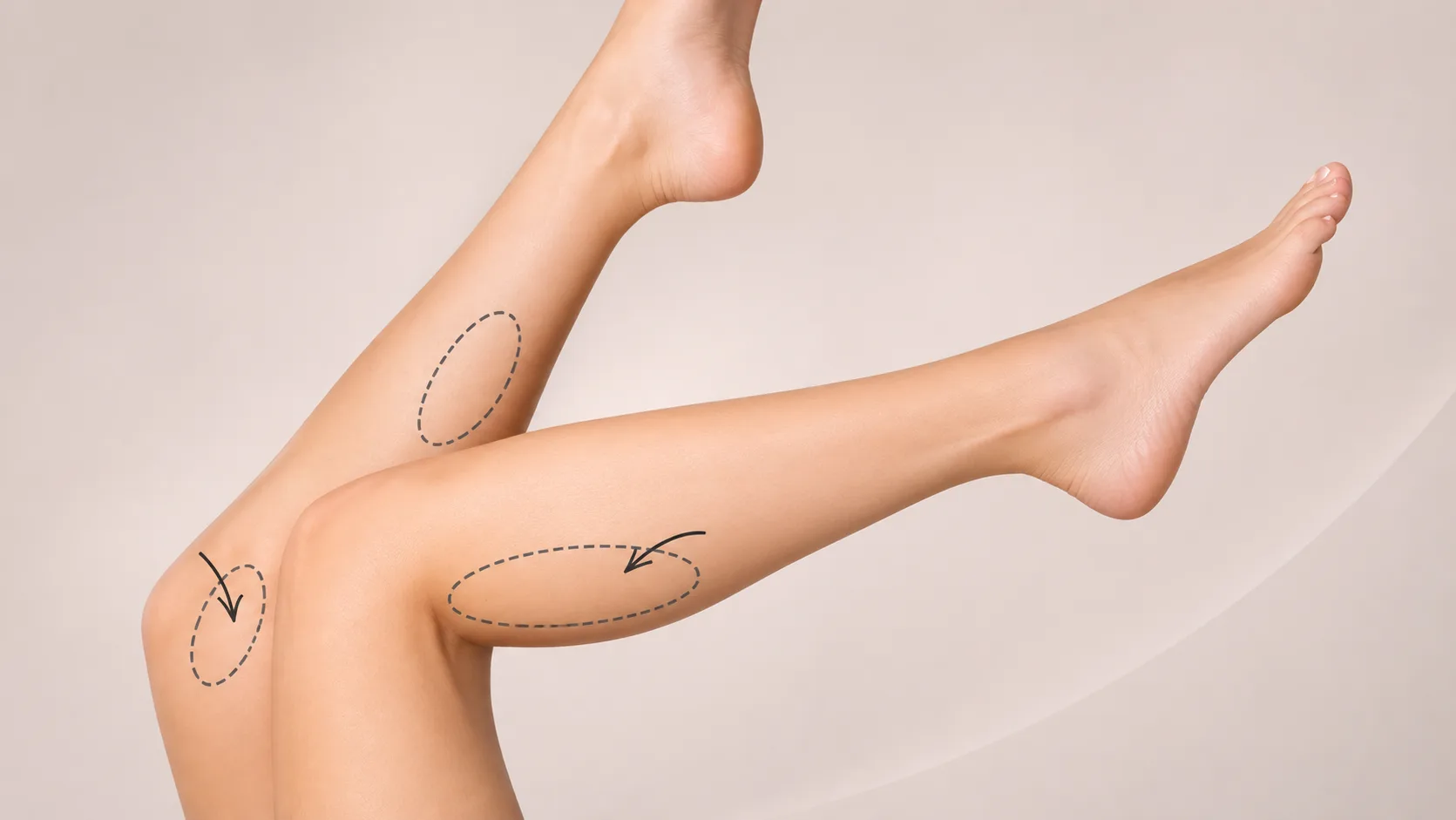
The technique can change the contours of the legs without implants, but the amount of correction it allows is limited and it requires strict adherence to surgical safety standards. It is important to understand that the procedure does not change bone shape, does not correct true bowing of the legs, and does not treat musculoskeletal conditions.
Who Is Calf Lipofilling Suitable For?
- insufficient soft-tissue volume in the calves;
- a wish to change the contour of the lower legs;
- visible calf asymmetry;
- individual patterns of subcutaneous fat distribution;
- certain congenital soft-tissue features;
- localised defects after injury or surgery;
- a wish to reshape the legs without implants.
Contraindications for Calf Lipofilling
- acute infectious diseases;
- certain blood clotting disorders;
- active thrombotic conditions;
- decompensated chronic conditions;
- significant circulatory disorders of the lower limbs;
- conditions that increase anaesthetic risk;
- insufficient donor fat;
- other individual medical restrictions.
Lipofilling requires a sufficient amount of the patient's own fat in the donor areas. Skin condition, tissue blood supply, general health, and whether the expected result is realistic are also taken into account. If a vascular, muscular, or bone condition of the lower limbs is suspected, additional investigations may be required. The final indications are determined by the plastic surgeon after an examination.
Which Leg Shape Features Can Be Corrected?
Insufficient Calf Volume
In some people the calves are slim because of hereditary factors, muscle structure, or the distribution of soft tissue. Lipofilling may allow a moderate increase in volume in specific areas and change the visual proportions of the legs.
Calf Asymmetry
Differences in volume between the right and left calf may be congenital or develop after injury or illness. With certain indications, fat transfer may be used to partially correct the asymmetry. Complete symmetry is not guaranteed.
Apparent (False) Leg Curvature
False curvature usually refers to leg contour features caused mainly by the distribution of soft tissue rather than by bone deformity. In some cases lipofilling can visually reduce how noticeable these features are. However, true orthopaedic conditions must be ruled out before any correction.
Localised Soft-Tissue Defects
After injury or surgery, areas of insufficient volume sometimes develop. With appropriate indications, transfer of the patient's own fat may be considered as one of the reconstructive options.
The appearance of the calves depends on bone structure, muscle volume, the distribution of subcutaneous fat, and the characteristics of the skin. Not every change in leg shape can be corrected with lipofilling.
Benefits of Calf Lipofilling
Uses Your Own Fat
The correction uses the patient's own tissue, so there are none of the risks specific to synthetic implants, such as displacement or damage. Fat transfer itself, however, has its own complications and limitations.
Individual Shaping
The surgeon can distribute small amounts of fat across selected areas of the subcutaneous tissue, taking the existing contour into account.
No Implants
The procedure does not require any permanent artificial devices.
Possible Contouring of Donor Areas
Fat is harvested by liposuction. In some cases this also reduces localised fat deposits in the donor area.
Small Surgical Access Points
Small skin punctures are usually used to harvest and transfer the fat. They may still leave scars, however, and recovery requires following medical advice.
Where Is the Fat for Calf Lipofilling Taken From?
The patient's own subcutaneous fat is used for the transfer. The choice of donor area depends on anatomy, the amount of tissue available, and the individual surgical plan. The fat is harvested by liposuction and then prepared for transfer.
Possible donor areas:
the abdomen;
the waist;
the flanks;
the thighs;
other areas with enough subcutaneous fat.
Not all of the transferred fat survives in its new location. Some of the cells may be reabsorbed during recovery. The final calf volume may therefore differ from the result seen immediately after surgery.
How Is Calf Lipofilling Performed?
Consultation With a Plastic Surgeon
The doctor assesses the shape of the calves, the condition of the soft tissues, the degree of asymmetry, and the proportions of the legs. The consultation covers your aesthetic goals, what lipofilling can achieve, the expected changes, and the limitations of the method. If there are signs of bone deformity, muscle atrophy, or another condition, a consultation with the relevant specialist may be needed.
Preoperative Assessment
Before surgery, the investigations needed to assess your general health are carried out. Depending on indications, laboratory tests, instrumental investigations, and a consultation with an anaesthetist may be arranged. Particular attention is paid to the condition of the leg blood vessels, thrombosis risk factors, and any conditions that could affect healing.
Fat Harvesting
The surgeon performs liposuction of the pre-selected donor area. The amount of fat harvested is determined individually.
Fat Preparation
The harvested material is processed to prepare it for transfer. The specific preparation technique depends on the surgical protocol chosen.
Fat Transfer to the Calves
The prepared fat is injected into the planned areas of the subcutaneous tissue. Where the transferred fat is placed is critical for safety. Current guidance on calf lipofilling favours superficial subcutaneous placement and warns against intramuscular injection because of the risk of vascular complications and a dangerous rise in pressure within the muscle compartments.
Postoperative Monitoring
After the operation the doctor assesses the patient's condition, circulation in the lower limbs, and early tissue changes. The patient receives advice on physical activity, care of the treated areas, and follow-up appointments.
How Safe Is Calf Lipofilling?
The lower leg has a complex anatomy. It contains muscles, blood vessels, nerves, and dense fascial structures. Adding volume to these tissues therefore calls for particular caution. With the wrong technique or excessive fat injection, pressure may rise within the confined anatomical compartments, causing impaired circulation and tissue damage. Serious complications can include fat embolism, thrombosis, and compartment syndrome — a dangerous rise in pressure within the muscle compartments. International safety guidance on fat transfer to the lower limbs stresses careful choice of volume, superficial placement of the graft, and thorough patient assessment.
The operation should be performed by a qualified plastic surgeon with relevant experience, in a setting where the necessary medical care can be provided.
Recovery After Calf Lipofilling
Recovery after the procedure depends on the volume transferred, the condition of the tissues, and the individual patient. In the first days it is important to monitor the condition of your legs closely and follow the surgeon's instructions.
After surgery you may experience:
swelling of the calves;
bruising;
soreness;
temporary changes in sensation;
discomfort when walking;
swelling and soreness in the donor areas.
Recommendations During Recovery
limit strenuous physical activity;
return to walking gradually, as advised;
avoid strong pressure on the fat-grafted areas;
care for the surgical access points;
wear compression garments only if prescribed by the doctor;
follow advice on leg positioning while resting;
attend follow-up appointments;
do not have massage or device-based treatments without the surgeon's approval.
Compression requirements for the donor areas and the grafted area may differ, so do not choose compression garments yourself. Severe or rapidly worsening calf pain, a sudden increase in swelling, numbness, weakness of the foot, or a change in its colour require immediate medical assessment. Shortness of breath or chest pain requires emergency care.
How Long Does Recovery Take?
Recovery times vary from person to person. Early swelling and bruising gradually subside over several weeks, but the volume of the transferred fat may take several months to stabilise. Running, jumping, and intensive lower-body training can be resumed only with the surgeon's approval.
When Are the Results of Calf Lipofilling Visible?
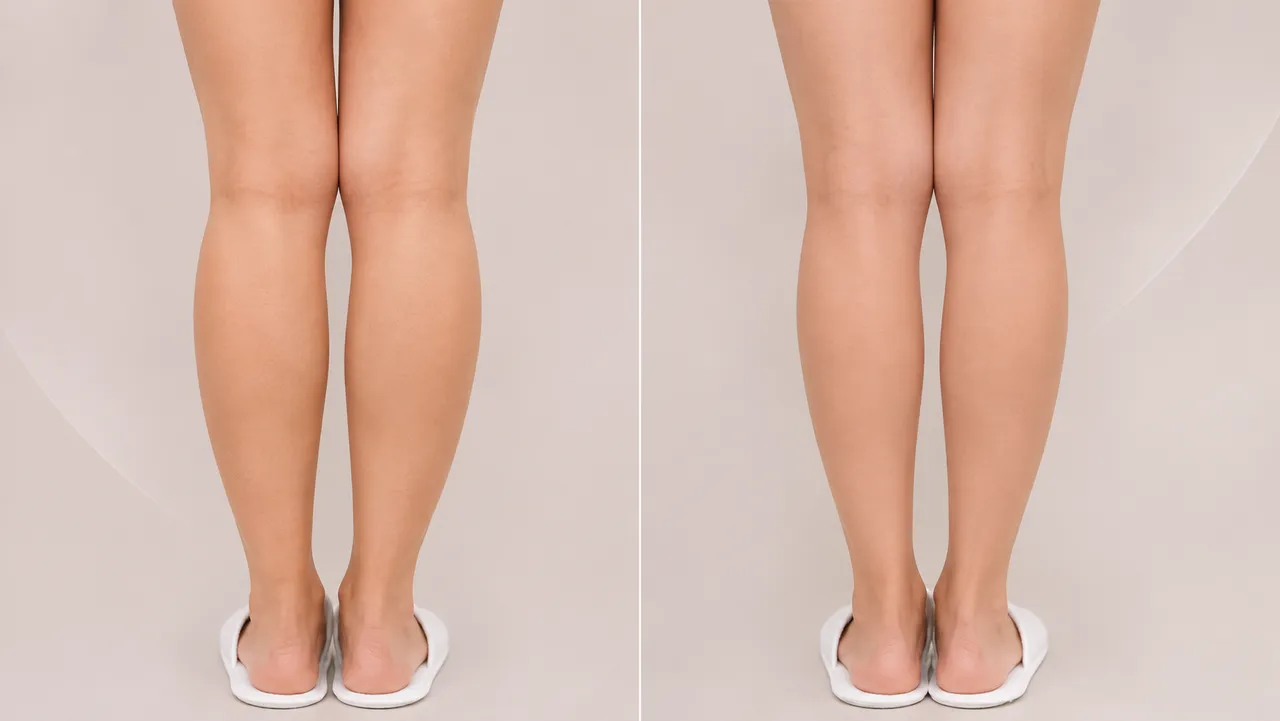
A change in volume may be visible straight after surgery, but the early result is influenced by postoperative swelling. Over time, some of the transferred fat is reabsorbed. The remaining viable tissue can persist for a long time, but its volume may change with significant fluctuations in body weight. The final result is assessed once the swelling has gone down and the transferred tissue has stabilised. In some cases an additional procedure is needed to achieve the desired volume.
Calf Lipofilling or Implants: Which to Choose?
In plastic surgery, calf volume can be increased either by transferring the patient's own fat or with special implants. Calf lipofilling may suit a moderate change in shape, provided there is enough donor fat. Calf implants may be considered when a more pronounced increase in volume is needed, but they require a separate operation and carry the risks typical of implant surgery.
Key differences:
Material — lipofilling: the patient's own fat; implants: an artificial implant.
Source of volume — lipofilling: transferred fat; implants: the implant itself.
Limitations — lipofilling: amount of donor fat, graft survival; implants: anatomy, implant size and position.
Repeat surgery — lipofilling: an additional transfer is sometimes needed; implants: correction or replacement of the implant may be required.
Specific risks — lipofilling: fat embolism, fat necrosis, uneven graft survival; implants: displacement, implant damage, capsular complications.
The method is chosen individually after an assessment and a discussion of the risks.
Possible Complications of Calf Lipofilling
Before surgery, both general surgical risks and the specific anatomy of the lower leg need to be taken into account.
Possible complications include:
bleeding and haematomas;
infection;
prolonged swelling;
asymmetry;
contour irregularities;
insufficient retention of the transferred volume;
fat necrosis and the formation of lumps;
changes in sensation;
deep vein thrombosis;
fat embolism;
compartment syndrome;
the need for repeat surgery.
Some complications can be life-threatening or endanger the function of the limb. This is why the surgeon's qualifications, the correct choice of technique, and adherence to safety protocols are so important.
Can the Calves Be Enlarged Without Surgery?
Exercise
Strength training that targets the gastrocnemius and soleus muscles can increase muscle volume and change the contour of the calves. The effect depends on genetics, the training programme, and the condition of the muscles.
Weight Management
Changes in body weight can affect the volume of subcutaneous fat, but fat distribution varies from person to person.
Orthopaedic Correction
If the change in leg shape is caused by a bone deformity, an orthopaedic assessment is needed. Neither lipofilling nor exercise corrects true bowing of the bones.
In some cases the shape of the lower legs can be improved without surgery. Non-surgical methods cannot always achieve the same result as surgical soft-tissue augmentation.
Calf Lipofilling and Quality of Life
The shape of the legs depends on heredity, bone and muscle structure, the distribution of soft tissue, and overall health. Anatomical features do not necessarily need aesthetic correction. Some patients, however, consider lipofilling when marked asymmetry or a lack of volume causes persistent aesthetic discomfort. GENEVITY — the Centre for Longevity and Quality of Life — views questions of appearance in the context of health, individual comfort, and informed choice. When planning surgery, it is important to consider not only the desired calf shape but also the functional condition of the legs, vascular risks, and what can be corrected safely. Lipofilling is not a treatment for musculoskeletal conditions and does not directly affect life expectancy. Its purpose is to change the volume and contours of soft tissue where there are sound indications.
How Much Does Calf Lipofilling Cost in Dnipro?
The price of calf lipofilling in Dnipro depends on the complexity of the procedure, the volume of fat transferred, and the individual surgical plan.
The cost may depend on:
the extent of correction needed;
the amount of donor fat;
the liposuction area;
the need for bilateral or asymmetric correction;
the type of anaesthesia;
preoperative investigations;
the length of the operation;
postoperative monitoring.
The exact cost is determined after a consultation and an assessment of whether the procedure is possible. If you are considering enlarging your calves with your own fat, reshaping them, or reducing visible asymmetry, the first step should be a consultation with a qualified plastic surgeon. The specialist will help identify the cause of the contour features, assess whether lipofilling is possible, and discuss the expected results, limitations, and risks. Ask about a calf lipofilling consultation, the correction methods available, and the conditions for surgery.
Our Medical Team
Consultations are provided by specialists across multiple disciplines, ensuring a comprehensive approach to your health
Harmash Serhii Kostiantynovych
Plastic Surgeon, Oncologist, Dermatologist
Experience: 41 years
Learn MoreYou may also be interested in
Liposuction
Liposuction at GENEVITY is the surgical removal of localised fat deposits that persist at a stable weight and do not respond to diet or exercise. It reshapes the contours of specific areas, but it is not a weight-loss method: it addresses shape rather than body mass.
Body Contouring
Body contouring at GENEVITY is comprehensive surgical reshaping of the silhouette for cases where a single procedure is not enough. The plan may combine liposuction of several areas, removal of excess skin and work on the muscles, so that the proportions of the body are coherent rather than improved in one isolated area.
Buttock Augmentation
Buttock augmentation is a field of aesthetic plastic surgery that changes the volume, shape, and contours of the buttocks. Modern correction methods help improve body proportions, emphasise the natural lines of the figure, and address specific aesthetic concerns.
FAQ
Calf lipofilling is a surgical procedure that increases and corrects the soft-tissue volume of the lower legs using the patient's own fat.
Lipofilling can visually correct certain contour features caused by a lack of soft tissue. However, it does not correct bone deformities.
Fat is usually harvested from the abdomen, waist, thighs, or other donor areas with enough subcutaneous fat.
The amount of tissue that survives varies from person to person. Some of the transferred fat is reabsorbed, so a specific survival rate cannot be guaranteed in advance.
Whether the procedure is possible depends on having enough donor fat. If there is not enough, the doctor can discuss alternative correction options.
Small surgical access points are used to harvest and inject the fat. They may leave barely noticeable scars.
Anaesthesia is used during the operation. Afterwards, soreness, swelling, and discomfort in the calves and donor areas are possible.
When you can return to training is decided individually. Running, jumping, and intensive loading of the calf muscles are allowed only with the surgeon's approval.
Surviving viable fat can provide a long-lasting change in volume. However, the result depends on individual graft survival, weight fluctuations, and age-related changes.
In some cases a repeat fat transfer is possible. The decision is made after assessing the result of the previous procedure and the condition of the tissues.
The term "cruroplasty" is often used for calf augmentation with implants. Lipofilling involves transferring the patient's own fat without placing implants.
Book a consultation
Our specialists will create the optimal program for you
This information is for general awareness and does not replace a doctor's consultation.