Buttock Augmentation in Dnipro
Buttock augmentation is a field of aesthetic plastic surgery that changes the volume, shape, and contours of the buttocks. Modern correction methods help improve body proportions, emphasise the natural lines of the figure, and address specific aesthetic concerns.
What Is Buttock Augmentation?
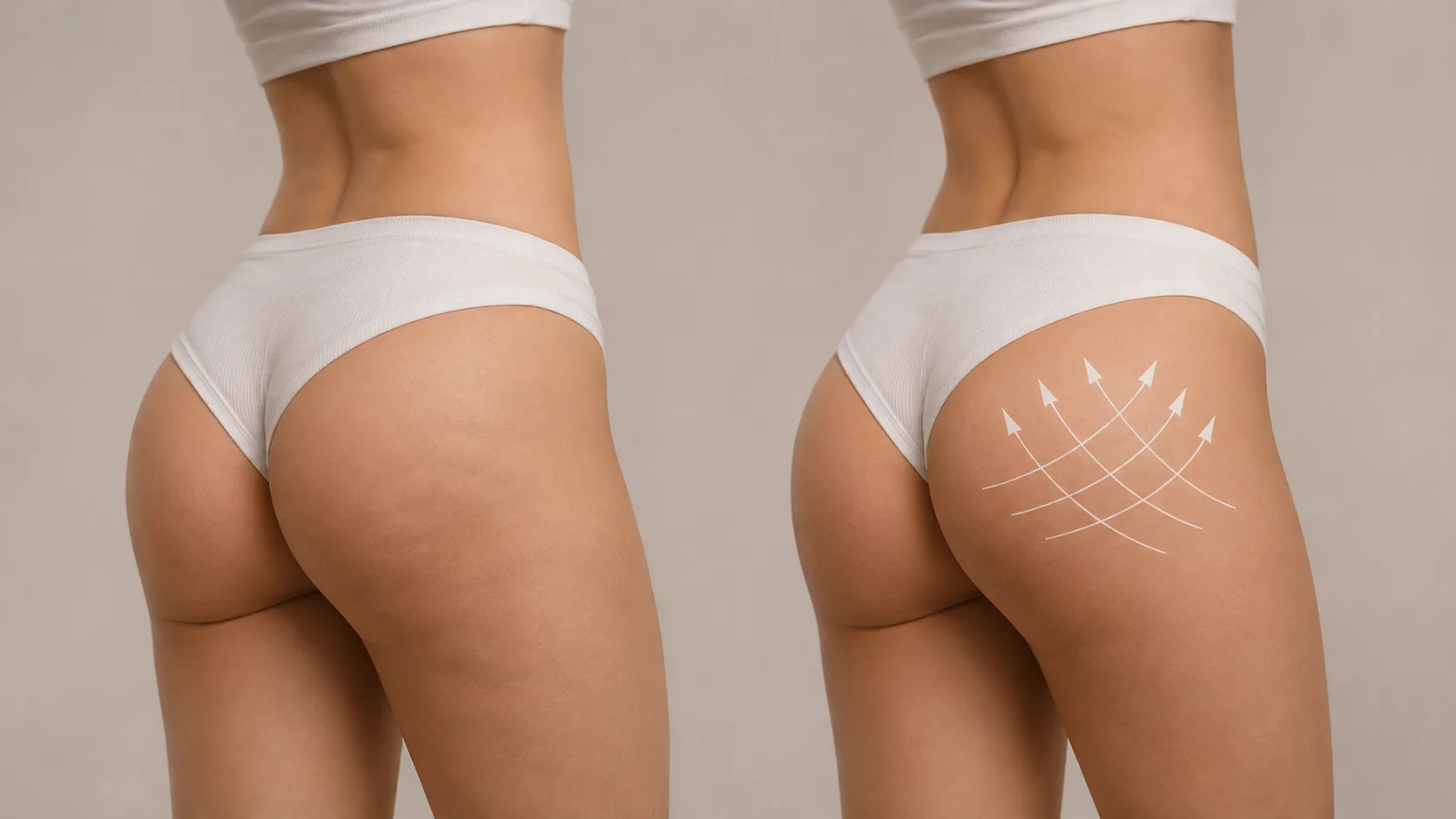
Buttock augmentation, or gluteoplasty, is surgical correction aimed at changing the volume and shape of the buttocks. The procedure may be used for insufficient buttock volume, marked asymmetry, particular patterns of fat distribution, or changes in body contour after significant weight loss. Modern plastic surgery offers several correction options, each with its own indications, limitations, and recovery characteristics. When choosing a technique, it is important to consider not only the desired buttock size but also the proportions of the waist and hips, the structure of the pelvis, the condition of the skin, and the amount of soft tissue.
GENEVITY — the Centre for Longevity and Quality of Life in Dnipro — regards aesthetic medicine as part of a comprehensive approach to a person's appearance, health, and individual well-being.
What Methods of Buttock Augmentation Are There?
The main surgical methods of buttock augmentation are lipofilling and gluteoplasty with implants. In some cases combined techniques or additional operations to correct excess skin may be used.
Buttock Lipofilling
Buttock lipofilling is a method of adding volume using the patient's own fat. During the procedure, fat is harvested from selected areas of the body by liposuction, processed, and transferred into the subcutaneous fat layer of the buttocks. The abdomen, waist, flanks, or thighs may serve as donor areas. The technique makes it possible to reduce local fat deposits in the donor areas and reshape the buttocks at the same time.
Key Features of Buttock Lipofilling
the patient's own fat is used;
the contours of the waist and hips can be changed through liposuction;
the extent of correction is limited by the amount of fat available and how much can be transferred safely;
some of the transferred fat may be reabsorbed;
the final result is assessed once the tissues have stabilised.
Buttock lipofilling is also known as the Brazilian Butt Lift (BBL). This procedure requires particularly strict adherence to surgical safety standards because of the risk of fat embolism. Fat must be injected only into the subcutaneous layer, never into the gluteal muscles.
Buttock Augmentation with Implants
Gluteoplasty with implants is an operation in which the volume and projection of the buttocks are increased with special silicone implants. The method may be considered for patients with little fat of their own, when lipofilling cannot achieve the desired volume. Implants are selected individually, taking into account the anatomy, soft-tissue thickness, and aesthetic goals.
Key Features of Implant Augmentation
volume can be increased even when there is not enough donor fat;
the shape and size of the implants are selected individually;
the projection of the buttocks changes;
postoperative recovery is required;
further surgery may be needed in the future.
Implants are not considered lifetime devices. If complications arise or aesthetic preferences change, they may need to be replaced or removed.
Buttock Lift
A buttock lift is a separate type of plastic surgery aimed mainly at correcting excess skin and sagging tissue. It may be considered after significant weight loss, with age-related changes, or when the skin has lost much of its firmness. Unlike augmentation, a lift on its own does not necessarily add volume. Where indicated, it can be combined with other correction methods.
Benefits of Surgical Buttock Augmentation
Changing the volume of the buttocks makes it possible to adjust the ratio of waist, hips, and buttocks to suit the individual figure.
Surgical techniques can be used when buttock volume is insufficient for hereditary or anatomical reasons.
With certain indications, a noticeable difference between the right and left buttocks can be reduced. Perfect symmetry is not guaranteed.
Surgical planning takes into account the desired projection, the characteristics of the soft tissues, and the natural proportions of the body.
With lipofilling, the donor areas can be contoured with liposuction at the same time.
The result depends on the chosen technique, individual characteristics, the healing process, and adherence to postoperative instructions.
Who Is Buttock Augmentation Suitable For?
- insufficient buttock volume;
- weak buttock projection;
- asymmetry of shape;
- individual patterns of fat distribution;
- changes in body proportions after weight loss;
- a wish to correct the contours of the figure;
- a need to restore volume after certain soft-tissue changes.
Contraindications to Buttock Augmentation
- Acute infections.
- Uncontrolled chronic conditions.
- Blood clotting disorders.
- Other conditions that increase surgical risk.
Surgical correction of the buttocks may be considered by patients who want to change their volume or shape. The final decision on whether surgery is possible is made after a consultation with a plastic surgeon. The surgeon assesses general health, body shape, skin quality, the amount of subcutaneous fat, and whether the expected result is realistic.
How to Choose a Buttock Augmentation Method
The amount of your own fat. Lipofilling requires enough donor fat. If there is not enough, an implant technique may be considered.
The desired volume. How much augmentation is possible varies with the chosen technique and the anatomy.
Skin condition. With significant excess skin, adding volume alone may not be enough.
Body shape. The surgeon assesses the proportions of the pelvis, waist, and hips, and the distribution of soft tissue.
Medical risks. Each method has its own complications and limitations, which must be discussed before surgery.
The best correction method is determined individually. There is no single technique that suits every patient.
How Is Buttock Augmentation Surgery Performed?
Plastic Surgeon Consultation
At the initial consultation, the surgeon discusses the patient's wishes, assesses the anatomy, and goes over the possible augmentation methods. The specialist explains the expected changes, the limitations of the procedure, what recovery involves, and the possible risks.
Preoperative Assessment
Before the procedure, the patient undergoes the necessary investigations. Their scope depends on the chosen technique, the patient's health, and the planned anaesthesia. Consultations with other specialists are arranged if needed.
Preparing for Surgery
The surgeon defines the areas to be treated, plans the extent of the procedure, and discusses the expected results with the patient. Before surgery it is important to follow the instructions on medication, smoking, diet, and physical activity.
The Operation
In lipofilling, fat is first harvested from the donor areas, and the prepared fat is then transferred into the subcutaneous tissue of the buttocks. In implant gluteoplasty, the surgeon creates an access incision and places the implants according to the chosen technique. The operation is performed under anaesthesia. Its length depends on the method and the extent of the correction.
Postoperative Monitoring
Once the procedure is complete, the patient remains under medical supervision. The doctor monitors the tissues, assesses early recovery, and provides instructions for the recovery period.
Recovery After Buttock Augmentation
Recovery after gluteoplasty depends on the chosen technique and the individual. After surgery, swelling, bruising, tenderness, temporary changes in sensation, and limits on usual physical activity are possible. In the first weeks it is especially important to follow the surgeon's instructions carefully.
Key Recommendations After Surgery
limit physical activity for the prescribed period;
avoid pressure on the treated areas as instructed by the doctor;
wear compression garments if prescribed;
follow the advice on body position during sleep and rest;
care for the surgical wounds properly;
attend follow-up appointments;
do not resume intense training without the surgeon's approval.
After lipofilling it is particularly important to follow the advice on limiting pressure on the areas where fat was transferred. After implant placement, the recovery regimen depends on the surgical access and where the implants are positioned. The final result is assessed once swelling has subsided and the tissues have stabilised, which can take several months.
Possible Complications Include
bleeding and haematomas;
infectious complications;
seromas (fluid collections);
impaired healing;
asymmetry;
changes in sensation;
scarring;
thrombosis and thromboembolic complications;
the need for a further operation.
Buttock augmentation is a surgical procedure and requires a prior medical assessment. Lipofilling carries a risk of fat embolism, including potentially fatal complications. Implant gluteoplasty can involve implant displacement, implant damage, infection, and other specific complications. Before surgery, the surgeon must explain the possible risks and alternatives in detail.
Can the Buttocks Be Enlarged Without Surgery?
Some changes to buttock shape are possible without surgery. Strength training aimed at developing the gluteal muscles can increase muscle volume and improve body contours. The result depends on the training programme, diet, genetics, and how regularly you train. Changes in body weight can affect buttock volume, but fat distribution is individual and cannot be precisely controlled. Some device-based treatments can be used to work on the muscles or skin quality, but they do not deliver a result equivalent to surgical volume augmentation.
Injectable fillers and liquid silicone should not be regarded as a safe, universal alternative to surgery: the FDA warns of serious risks when such materials are used for buttock augmentation.
Buttock Augmentation and Balanced Body Proportions
The main goal of aesthetic correction is to achieve balanced body proportions, taking into account the patient's individual features and safety requirements. Modern aesthetic surgery aims not simply to enlarge individual parts of the body but to create a proportionate silhouette that respects individual anatomy. When planning the correction, it is important to assess the relationship between waist, hips, and buttocks, the condition of the soft tissues, and the natural features of the figure. Excessive augmentation can put additional strain on the tissues and increase the likelihood of complications. The choice of size and shape should therefore take into account medical safety and the realistic possibilities of the chosen technique. Plastic surgery is not a prerequisite for attractiveness or a high quality of life. The decision to have surgery should be voluntary, well-founded, and made after receiving complete information.
At GENEVITY — the Centre for Longevity and Quality of Life — a patient's aesthetic wishes are considered in the context of overall well-being, health, and a thoughtful attitude to one's own appearance.
How Much Does Buttock Augmentation Cost in Dnipro?
The price of buttock augmentation in Dnipro depends on the chosen surgical method, the complexity of the procedure, and the individual correction plan.
Factors That May Affect the Cost
the augmentation method;
the volume of lipofilling;
the need for liposuction of the donor areas;
the type and characteristics of the implants;
the type of anaesthesia;
preoperative assessment;
the length of the hospital stay;
postoperative monitoring.
The exact cost is determined after a consultation, the choice of technique, and a surgical plan. If you are considering buttock augmentation, lipofilling, or reshaping the buttocks, the first step should be a consultation with a qualified plastic surgeon. The specialist will help assess your anatomy, identify suitable correction options, and discuss the possible results, limitations, and risks. Ask about the availability of a gluteoplasty consultation, the techniques used, and the terms of the operation.
Our Medical Team
Consultations are provided by specialists across multiple disciplines, ensuring a comprehensive approach to your health
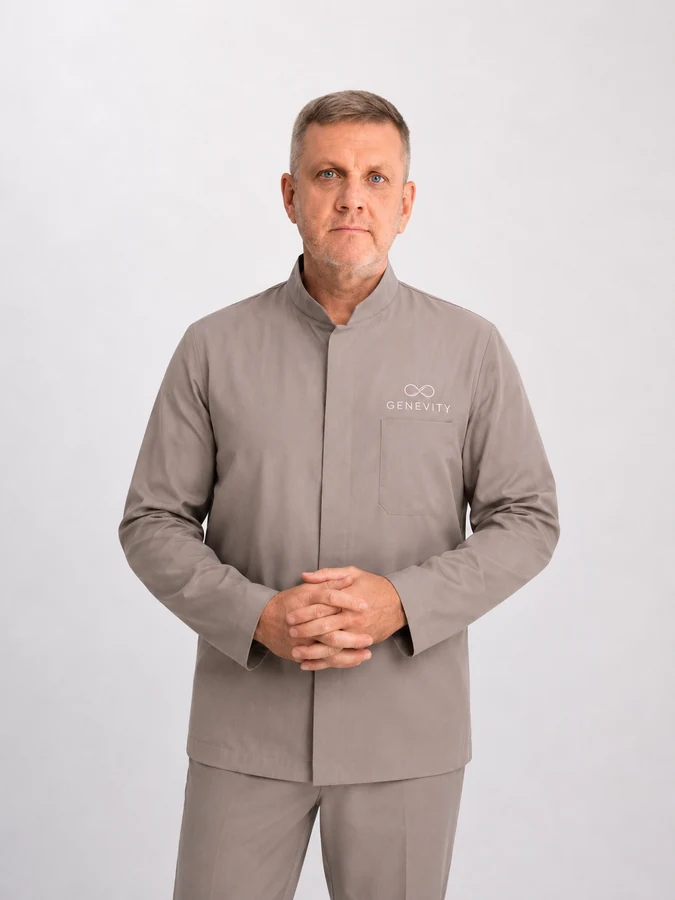
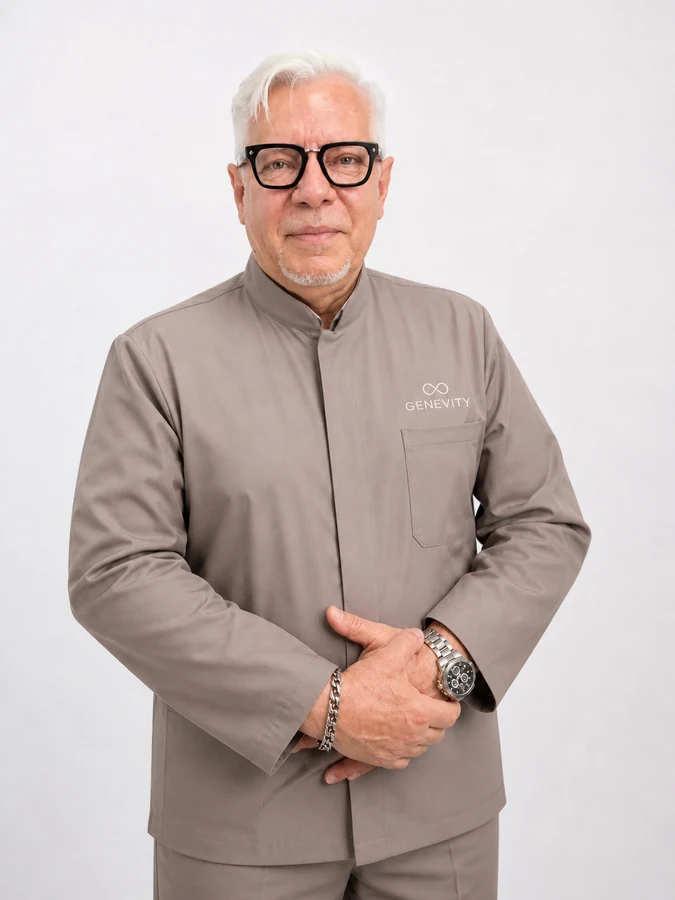
Harmash Serhii Kostiantynovych
Plastic Surgeon, Oncologist, Dermatologist
Experience: 41 years
Learn MoreYou may also be interested in
Liposuction
Liposuction at GENEVITY is the surgical removal of localised fat deposits that persist at a stable weight and do not respond to diet or exercise. It reshapes the contours of specific areas, but it is not a weight-loss method: it addresses shape rather than body mass.
Body Contouring
Body contouring at GENEVITY is comprehensive surgical reshaping of the silhouette for cases where a single procedure is not enough. The plan may combine liposuction of several areas, removal of excess skin and work on the muscles, so that the proportions of the body are coherent rather than improved in one isolated area.
Calf Lipofilling
Calf lipofilling is an aesthetic plastic surgery procedure that reshapes the calves and increases their volume using the patient's own fat. It may be used to improve leg contours, reduce visible asymmetry, and correct particular soft-tissue features.
FAQ
Both techniques have advantages and limitations. Lipofilling uses the patient's own fat, while implants can increase volume even when there is little donor fat. The choice depends on the anatomy, the goals of the correction, and medical indications.
After lipofilling, part of the transferred fat is reabsorbed, while the fat that survives can last a long time. Implants provide long-lasting volume but may need to be replaced or removed in the future.
It depends on the chosen technique. If there is not enough body fat, lipofilling may be limited. In some cases augmentation with implants is considered.
Any surgery involving incisions leaves scars. Their location, size, and visibility depend on the chosen technique and how the individual heals.
The surgeon decides individually when you can return to training. Intense lower-body exercise is usually restricted during early recovery.
With lipofilling, harvesting fat from the abdomen or waist can be part of the operation. Whether a combined procedure is possible, and its extent, is decided after assessing the risks.
Injectable fillers are not a universally safe method of buttock augmentation. The FDA has not approved dermal fillers for this purpose and warns of the risk of serious complications.
Aesthetic surgery is usually considered for adult patients after an assessment of physical development, health, and psychological readiness.
In some cases the aim of surgery is mainly to correct shape and proportions rather than to increase size markedly. What such an approach can achieve depends on the anatomy and the chosen technique.
Book a consultation
Our specialists will create the optimal program for you
This information is for general awareness and does not replace a doctor's consultation.