Asian Eye Blepharoplasty in Dnipro
Asian eye blepharoplasty is a cosmetic operation to create or alter the upper eyelid crease, taking individual anatomical features into account. The procedure is also known as Asian blepharoplasty or double eyelid surgery.
What Is Asian Eye Blepharoplasty?
Asian blepharoplasty is a surgical correction of the upper eyelids that creates a more defined crease or changes its position. In some people the upper eyelid crease is absent or only faintly defined. This is a natural anatomical feature that does not require correction. The operation is performed at the patient's request and may include:
At GENEVITY — the Centre for Longevity and Quality of Life in Dnipro — aesthetic correction is approached with regard to each patient's natural features, health and wishes.
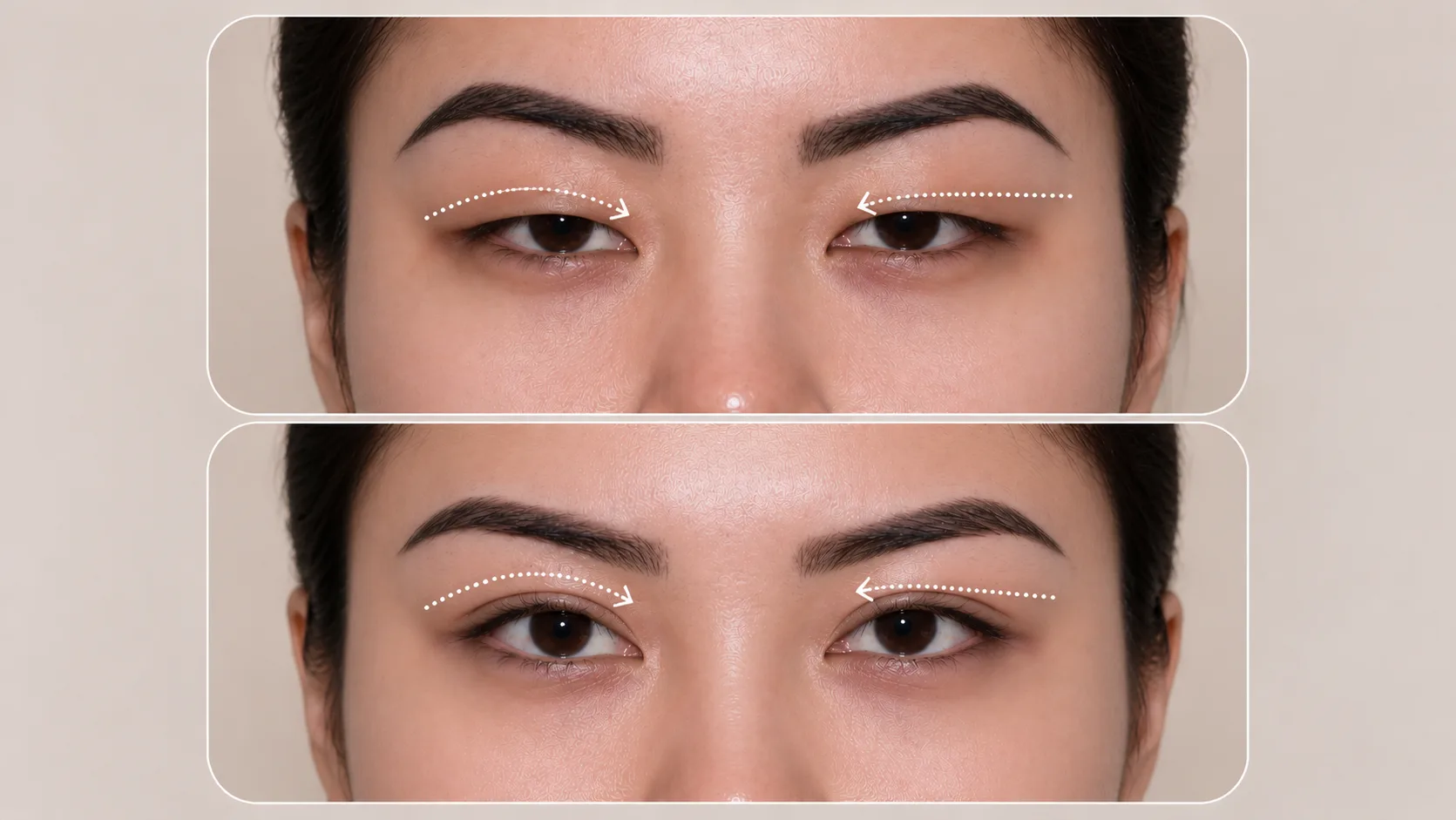
What the Operation May Include
creating an upper eyelid crease;
correcting crease asymmetry;
changing the height and shape of the crease;
removing excess skin where indicated;
limited correction of fatty tissue.
The main aim is to achieve the result agreed with the patient while preserving the natural proportions of the face and normal eyelid function.
Indications for Surgery
- a wish to create an upper eyelid crease;
- a faint or absent crease;
- asymmetry of the upper eyelids;
- excess skin on the upper eyelids;
- a wish to change the height or contour of an existing crease;
- individual aesthetic preferences.
Contraindications and Possible Risks
- Acute infections.
- Active eye inflammation.
- Decompensated chronic conditions.
- Other conditions that raise surgical risk.
The final extent of the procedure is determined after a consultation with a plastic surgeon.
Methods of Asian Blepharoplasty
Incisional blepharoplasty
The surgeon makes an incision along the line of the planned upper eyelid crease. The method allows the crease to be created and, if necessary, excess skin or fatty tissue to be corrected. A scar remains after the operation, usually located within the newly formed crease.
Blepharoplasty without a long incision
With certain anatomical features, the crease can be created using suture techniques through small punctures. This technique is not suitable for every patient, especially where there is pronounced excess skin. A crease created with the suture method may weaken or disappear over time.
The choice of technique depends on the structure of the eyelids, the condition of the skin and the desired result.
Benefits of Asian Eye Blepharoplasty
create the desired upper eyelid crease;
adjust its height and contour;
reduce some types of asymmetry;
remove excess skin where indicated;
preserve individual features of appearance.
The result depends on the initial anatomy, the chosen technique and the healing process. Perfect symmetry is not guaranteed.
How Is the Operation Performed?
Before the procedure the surgeon assesses the structure of the upper eyelids, the position of the eyebrows, the condition of the skin and eye function. The length of the operation depends on the technique and the complexity of the correction.
The Main Stages
Consultation and examination. Discussion of the desired crease shape, what the operation can achieve and the risks.
Marking. Determining the height and position of the future crease.
Anaesthesia. Choosing suitable pain relief.
Surgical correction. Creating the crease using the chosen method.
Postoperative monitoring. Checking the condition of the eyelids and giving recovery advice.
Recovery After Asian Blepharoplasty
In the first days after surgery there may be swelling, bruising, a feeling of tightness and temporary asymmetry of the creases. Visible swelling often subsides within 1–2 weeks, but the final contour may take several months to develop. Recovery times depend on the chosen technique and individual factors.
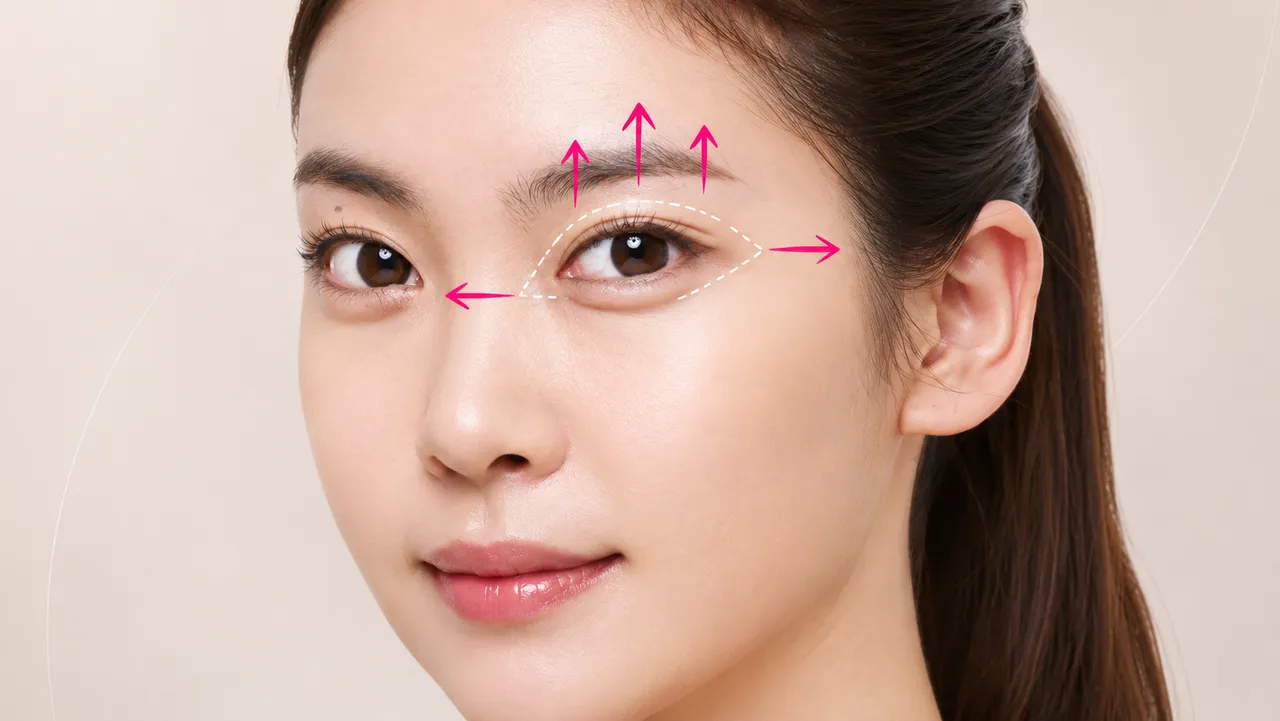
During Recovery It Is Recommended To
follow the surgeon's instructions;
avoid rubbing your eyes;
stop using make-up and contact lenses for a while;
limit strenuous physical activity;
attend follow-up appointments.
Possible complications include bleeding, infection, noticeable scarring, asymmetry, a crease that is too high or too low, weakening of the crease, dry eyes and incomplete eyelid closure. Rare serious complications can threaten vision. Sudden deterioration in vision or severe, worsening pain after surgery requires emergency medical care.
The Cost of Asian Eye Blepharoplasty in Dnipro
The cost of Asian blepharoplasty depends on the chosen surgical technique, the complexity of creating the crease, the need to remove excess skin, the type of anaesthesia and the extent of postoperative monitoring. The exact price is determined after a consultation and the drawing up of an individual surgical plan.
If you are considering creating or changing an upper eyelid crease, start with a consultation with a qualified plastic surgeon. The specialist will assess your anatomy, explain the differences between the surgical techniques and help you define a realistic result. Ask about the availability of the procedure, current pricing and how to book a consultation.
Our Medical Team
Consultations are provided by specialists across multiple disciplines, ensuring a comprehensive approach to your health

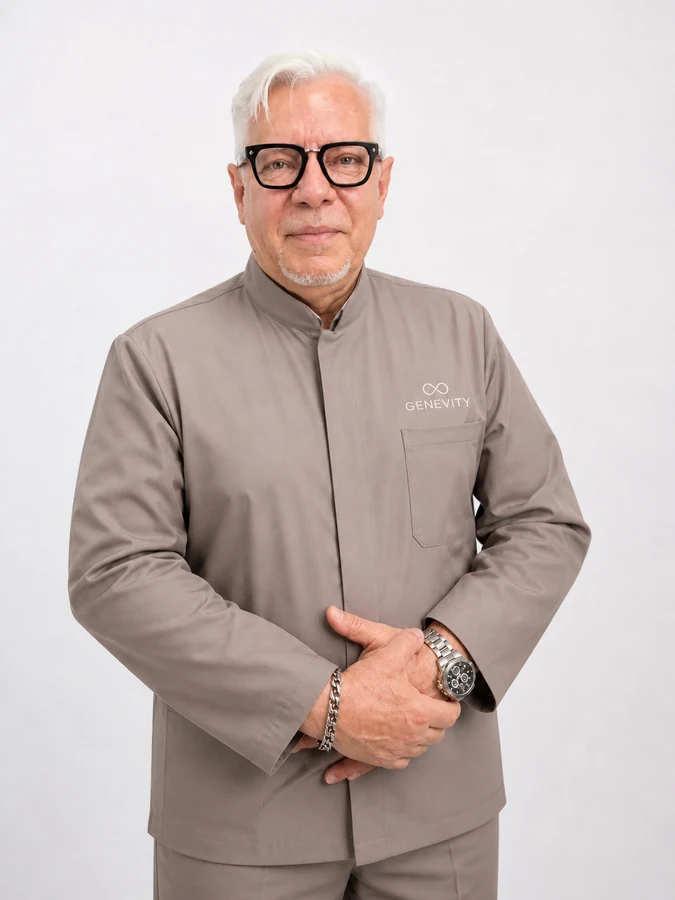
Harmash Serhii Kostiantynovych
Plastic Surgeon, Oncologist, Dermatologist
Experience: 41 years
Learn MoreYou may also be interested in
Blepharoplasty
Blepharoplasty at GENEVITY is a surgical procedure designed to correct age-related changes in the upper and lower eyelids, remove excess skin, and address protruding fat pads around the eyes. The procedure can help create a more open and refreshed appearance while preserving natural facial features. The plastic surgeon selects the most appropriate technique individually, taking into account eyelid anatomy, tissue condition, and the desired outcome.
Upper Eyelid Blepharoplasty
Upper eyelid blepharoplasty is a plastic surgery procedure to correct excess skin and certain soft-tissue changes of the upper eyelids. It can help remove pronounced hooding of the skin folds, correct fat bulges and give the upper eyelids a more open contour.
Epicanthoplasty
Epicanthoplasty is a cosmetic operation to correct the epicanthus — the skin fold at the inner corner of the eye. The procedure can change the contour of the inner part of the eye opening and, with certain anatomical features, make it look more open.
FAQ
In some cases a suture technique through small punctures is used. Whether it is an option depends on the anatomy of the upper eyelids.
The incisional technique leaves a scar, usually located within the eyelid crease. With the suture technique, the puncture marks are generally less noticeable.
The operation primarily changes the upper eyelid crease. The way the eyes look may change, but the correction does not necessarily alter their anatomical shape.
The result of the incisional technique can last a long time. After the suture technique, the crease sometimes weakens or disappears.
With an uncomplicated recovery, some patients return to non-strenuous work after one to two weeks. The exact timing depends on the extent of the operation.
Book a consultation
Our specialists will create the optimal program for you
This information is for general awareness and does not replace a doctor's consultation.