Thighplasty in Dnipro
Thighplasty is a surgical procedure to correct the shape and contours of the thighs, remove excess skin, and improve the proportions of the lower body. Also known as femoroplasty or a thigh lift, the operation may be relevant after major weight loss, age-related changes, or a loss of skin elasticity.
What Is Thighplasty?
Thighplasty, or femoroplasty, is an operation to remove excess skin and, where needed, some of the subcutaneous fat in the thigh area. With age, after significant weight loss, or with fluctuations in body weight, the skin can lose its elasticity. The result is skin folds, sagging tissue, and a change in the natural contours of the legs. Exercise helps strengthen the muscles but cannot always eliminate a pronounced excess of stretched skin. In such cases a surgical thigh lift may be considered. During the operation the plastic surgeon removes the excess tissue and redistributes the remaining skin to create a smoother contour. The technique and the placement of the incisions depend on the extent of the changes and the area being corrected.
GENEVITY — the Centre for Longevity and Quality of Life in Dnipro — approaches aesthetic correction as part of a comprehensive approach to a person's health, appearance, and everyday comfort. The aim of thighplasty is to improve the shape and proportions of the legs, taking into account the patient's anatomy, tissue condition, and individual wishes.
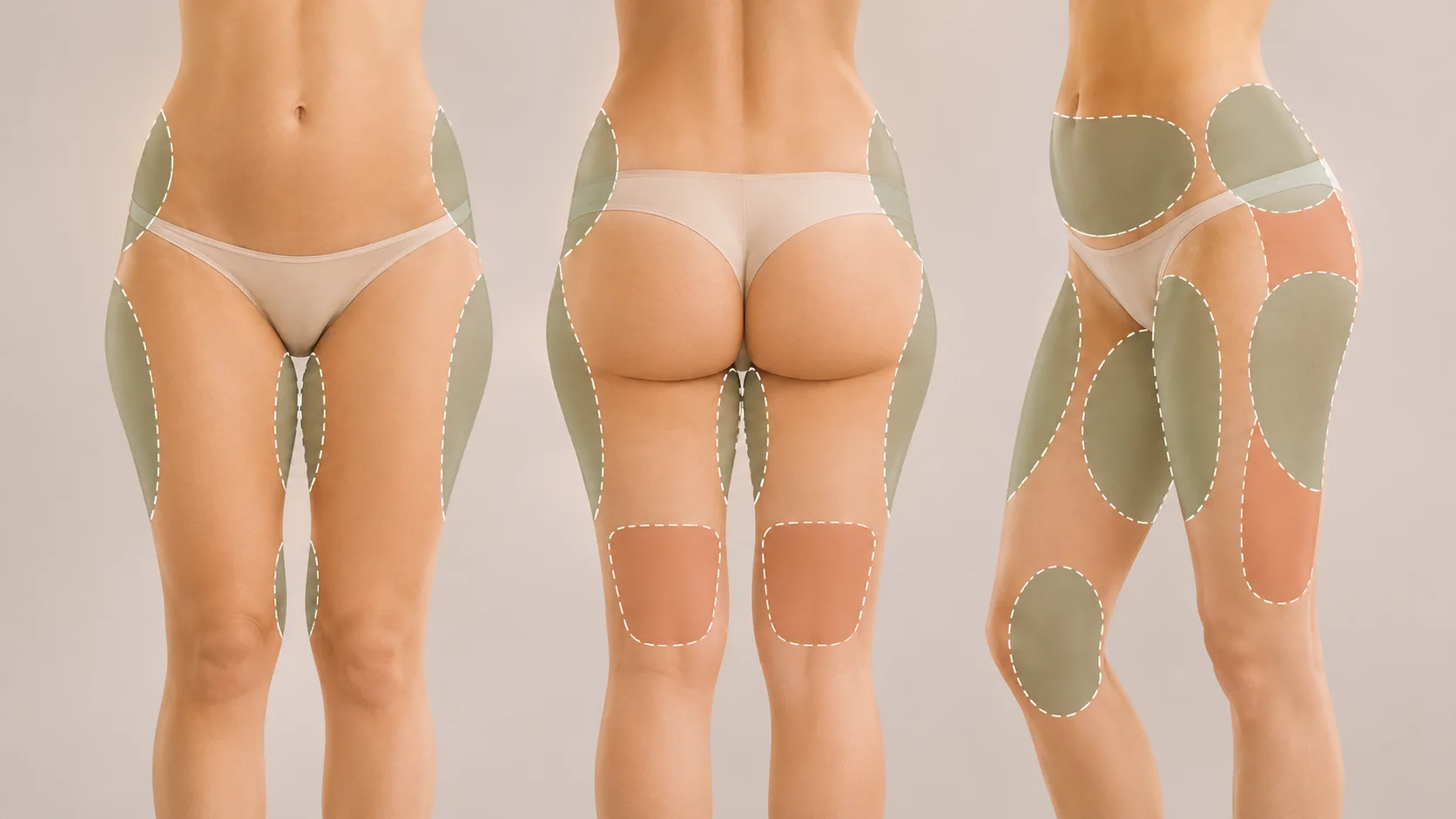
When Is Thighplasty Needed?
- pronounced sagging of the skin on the inner thighs;
- excess soft tissue after significant weight loss;
- age-related loss of skin firmness;
- large skin folds;
- changes in thigh contour after weight fluctuations;
- soft-tissue asymmetry;
- chafing of the skin when walking;
- discomfort during physical activity caused by excess tissue;
- dissatisfaction with the shape of the thighs, with realistic expectations of surgery.
Contraindications for Thighplasty
- acute infectious diseases;
- decompensated chronic conditions;
- blood clotting disorders;
- conditions that increase anaesthetic risk;
- significantly impaired wound healing;
- other individual medical restrictions.
Femoroplasty is not a weight-loss method. The most suitable candidates are usually patients with a stable body weight and good general health.
What Types of Thighplasty Are There?
Inner Thigh Lift
An inner thigh lift is one of the most common types of femoroplasty. It corrects sagging tissue on the inner side of the legs, where the skin can be particularly prone to stretching. The operation removes excess skin and creates a smoother contour of the inner thigh.
Medial Thigh Lift
Medial femoroplasty is used when the excess skin lies mainly in the upper inner thigh. Depending on the anatomy, the incision may be placed in the groin crease. With pronounced skin laxity, a longer surgical approach may be needed.
Vertical Thigh Lift
Vertical femoroplasty may be recommended when there is significant excess skin extending along the inner thigh. During the operation the surgeon removes the excess tissue through a longitudinal incision that may run from the groin towards the knee. The technique can correct pronounced sagging, but it leaves a longer scar.
Outer Thigh Lift
Outer thigh correction aims to remove excess skin and improve the contour of the lateral lower body. In some cases this operation may be part of a comprehensive lower body lift.
Thighplasty With Liposuction
When excess skin is combined with localised fat deposits, the surgeon may consider a combined approach. Liposuction reduces the volume of fatty tissue, while femoroplasty removes the excess skin. Whether the procedures can be combined is decided individually, taking into account tissue blood supply and surgical risk.
Depending on where the excess skin is located and how pronounced the changes are, the plastic surgeon may recommend different surgical options. Modern plastic surgery techniques make it possible to correct excess tissue on both the inner and outer thighs. Where needed, a surgical lift can be combined with liposuction for additional contouring.
How Does Thighplasty Differ From Liposuction?
Thighplasty and liposuction address different aesthetic concerns. Thigh liposuction mainly removes localised fat deposits. It can be effective when the skin retains enough elasticity to adapt to the reduced volume. Femoroplasty is used when there is pronounced excess skin that cannot be eliminated by removing fat alone. If folds of stretched skin have formed on the inner thighs after major weight loss, liposuction alone may not be enough. When choosing the method, the doctor assesses the thickness of the subcutaneous fat, skin condition, the degree of sagging, and the patient's build.
Benefits of Thighplasty
Removal of Excess Skin
The operation removes stretched tissue that does not tighten on its own after weight loss or age-related changes.
Improved Leg Contours
Femoroplasty can make the silhouette of the thighs smoother and better proportioned.
Less Chafing
Where skin folds are pronounced, removing them can reduce friction and the discomfort it causes when walking.
Correction of Changes After Weight Loss
After significant weight loss, thighplasty can be one of the stages in restoring the body's contours.
Individual Contouring
The extent of surgery and the placement of the incisions are determined by the patient's anatomy and the nature of the changes.
Bear in mind that the improved contour comes at the cost of surgical scars, and both the result and the healing process vary from person to person.
Thighplasty After Weight Loss
Significant weight loss benefits many aspects of health, but excess skin may remain afterwards. The changes are sometimes most noticeable on the inner thighs, the abdomen, and the arms. Stretched skin does not always return to its original state, even with regular exercise. Thighplasty after weight loss removes some of the excess tissue and improves the contours of the lower body.
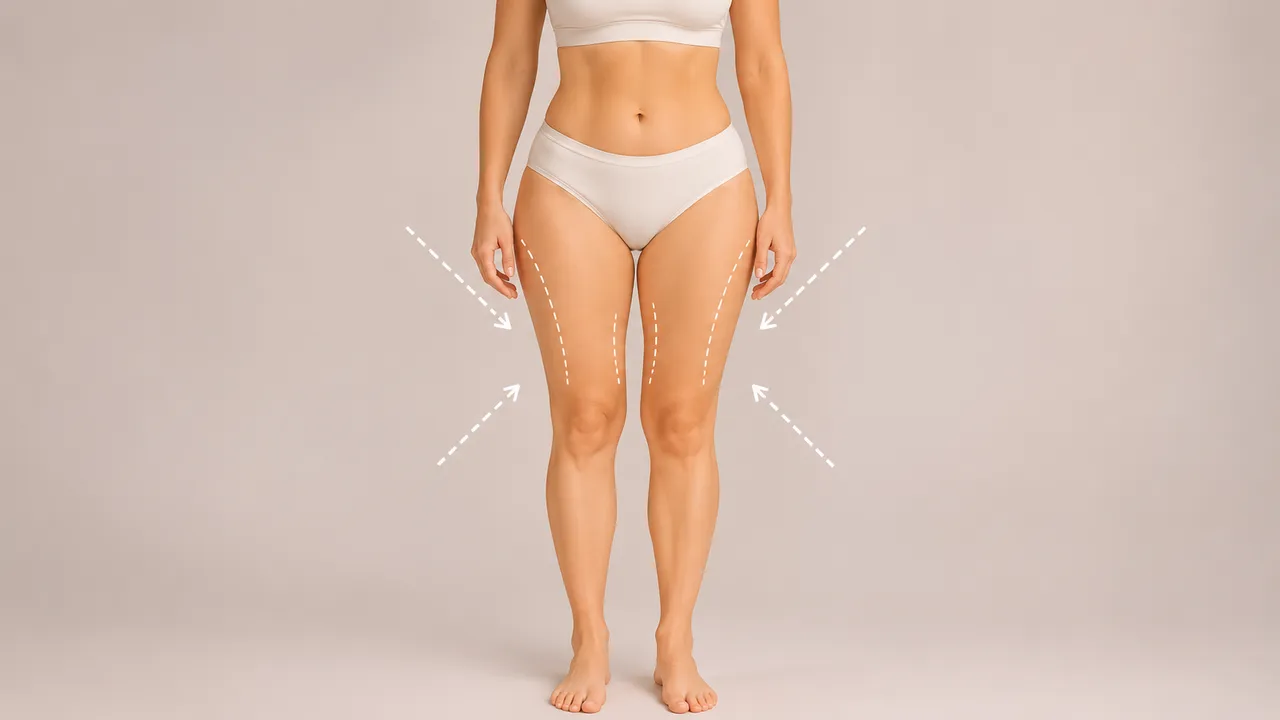
Before surgery it is important to reach a relatively stable body weight. If your weight continues to change significantly, this may affect the long-term result. Preparation also includes an assessment of nutrition, possible nutrient deficiencies, and general health, especially after bariatric surgery.
How Is Thighplasty Performed?
Consultation With a Plastic Surgeon
At the initial consultation the doctor assesses skin condition, the volume of subcutaneous fat, the degree of sagging, and the anatomy of the thighs. The patient's wishes, correction options, the placement of future scars, and the expected results are discussed.
Preoperative Preparation
Before surgery, the investigations needed to assess your health are arranged. Depending on medical indications, laboratory tests, instrumental investigations, and a consultation with an anaesthetist may be required. The doctor also assesses factors that affect healing, including smoking, chronic conditions, and current medication.
The Operation
Thighplasty is performed with appropriate anaesthetic care. The surgeon makes the pre-planned incisions and removes the excess skin and, where needed, some subcutaneous fat. Once the new contour has been shaped, the tissues are secured and the surgical wounds are closed. The placement and length of the incisions depend on the chosen technique.
Postoperative Monitoring
After the operation the patient remains under medical supervision. The doctor monitors the early postoperative period, the condition of the tissues, and the healing process. Whether a hospital stay is needed depends on the extent of surgery and the patient's general condition.
Recovery After Thighplasty
Recovery after femoroplasty takes time and requires following the plastic surgeon's recommendations. In the first days after surgery, swelling, bruising, soreness, a feeling of skin tightness, and temporarily restricted movement are possible. What makes this area particular is that the skin of the inner thighs is under constant strain when you walk or change position. That is why it is important to avoid excessive tension on the sutures during early recovery.
Key Recommendations After Surgery
follow the plastic surgeon's instructions;
care for the surgical wounds as instructed;
wear compression garments if recommended;
limit strenuous physical activity;
avoid movements that put strong tension on the tissues;
resume everyday activities gradually;
attend follow-up appointments;
do not have massage or device-based treatments without your doctor's approval.
Gentle walking is usually recommended from the early stages of recovery to support circulation, but how much you walk should follow the surgeon's advice.
How Long Does Recovery Take?
The length of recovery depends on the extent of the operation, the technique used, and the individual patient. Some patients return to light everyday activities after one to two weeks, but after an extensive lift recovery can take considerably longer. Intensive training and loading of the lower body are restricted for a period set by the doctor. The final thigh contour is assessed once the swelling has subsided and the tissues have settled, which may take several months.
Does Thighplasty Leave Scars?
Femoroplasty involves removing excess skin, so it leaves surgical scars. Where they lie depends on the technique chosen. With a limited medial lift, the scar may run mainly in the groin crease. With pronounced excess skin, a vertical incision along the inner thigh may be required. Over time the scars usually become less noticeable, but they do not disappear completely. Their appearance is influenced by individual healing, tissue tension, surgical technique, and aftercare.
The placement of future scars should be discussed with the surgeon in detail before the operation.
Contraindications and Possible Risks
Thighplasty is a full surgical operation and has medical limitations. Possible complications of femoroplasty include bleeding, haematomas, seromas, infection, wound dehiscence, altered sensation, asymmetry, and poor scarring. There are also risks of deep vein thrombosis and pulmonary embolism. In some cases impaired lymphatic drainage, prolonged swelling, or the need for revision surgery may occur.
Before surgery the patient must receive detailed information about potential complications and alternative correction methods.
Can Thigh Skin Be Tightened Without Surgery?
Exercise
Regular strength training helps strengthen the leg muscles and improve their tone. However, exercise cannot remove a significant excess of stretched skin.
Weight Control
Maintaining a stable weight helps preserve the body's proportions and reduces the risk of further changes in contour.
Device-Based Treatments
Some cosmetic treatments aim to moderately improve skin condition. Their effect is limited, especially when tissues sag markedly after major weight loss.
What non-surgical correction can achieve depends on how pronounced the changes are. If the main problem is a large excess of skin, a surgical lift can provide a more noticeable correction than non-surgical methods.
Thighplasty and Quality of Life
Excess skin on the thighs is not always just an aesthetic matter. In some patients, pronounced folds come with chafing, skin irritation, difficulty finding clothes that fit, and discomfort during physical activity. The decision to have surgery may therefore stem both from a wish to change the body's contours and from a desire to improve everyday comfort. GENEVITY — the Centre for Longevity and Quality of Life — considers aesthetic concerns in the context of a person's overall wellbeing. When choosing a surgical technique, it is important to take into account health status, individual needs, the expected changes, and possible risks. Thighplasty does not directly affect life expectancy or halt ageing, but with correctly established indications it can help resolve specific aesthetic and functional problems.
How Much Does Thighplasty Cost in Dnipro?
The price of thighplasty in Dnipro depends on the complexity of the operation, the extent of the surgical correction, and the technique chosen.
The cost may depend on:
the type of femoroplasty;
the amount of excess skin;
the need for additional liposuction;
the length and complexity of the operation;
the type of anaesthesia;
preoperative investigations;
the need for a hospital stay;
postoperative monitoring.
The exact cost is determined after a consultation with a plastic surgeon and once an individual surgical plan has been drawn up. If you are concerned about excess skin, sagging tissue, or changes in thigh contour after weight loss, the first step should be a consultation with a qualified plastic surgeon. The specialist will assess your tissues, explain the differences between a thigh lift and liposuction, and talk you through the possible results and what recovery involves. Ask about a femoroplasty consultation, the correction methods available, and the conditions for surgery. Book a consultation to find out more about what thighplasty can do for you.
Our Medical Team
Consultations are provided by specialists across multiple disciplines, ensuring a comprehensive approach to your health

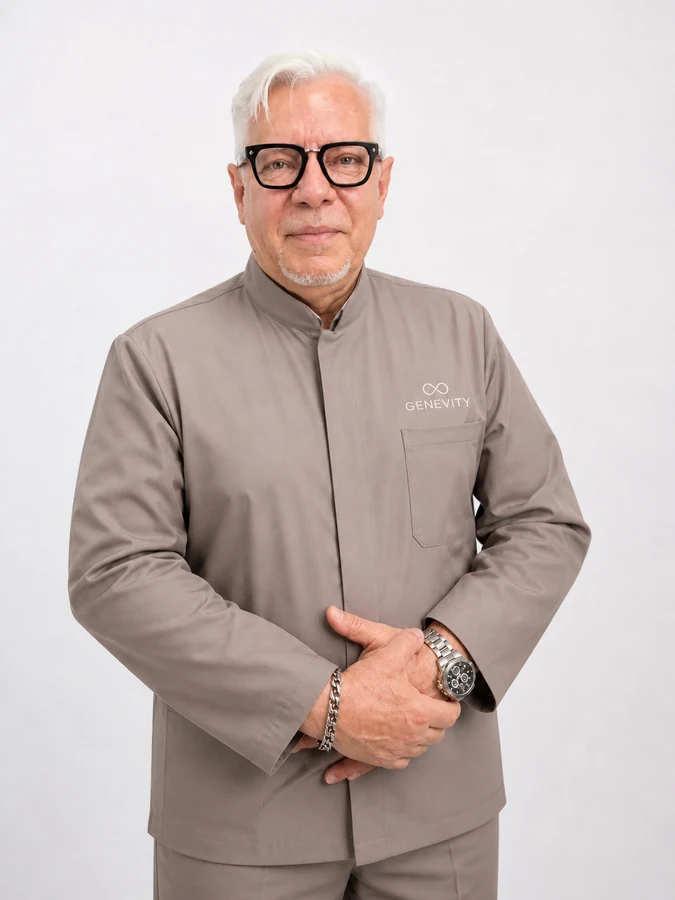
Harmash Serhii Kostiantynovych
Plastic Surgeon, Oncologist, Dermatologist
Experience: 41 years
Learn MoreYou may also be interested in
Contouring After Weight Loss
Body contouring after weight loss at GENEVITY removes the excess skin left behind by substantial weight loss. The operation completes work the patient has already done: it removes the folds of skin and fat that do not retract on their own and do not reduce with exercise.
Liposuction
Liposuction at GENEVITY is the surgical removal of localised fat deposits that persist at a stable weight and do not respond to diet or exercise. It reshapes the contours of specific areas, but it is not a weight-loss method: it addresses shape rather than body mass.
Body Contouring
Body contouring at GENEVITY is comprehensive surgical reshaping of the silhouette for cases where a single procedure is not enough. The plan may combine liposuction of several areas, removal of excess skin and work on the muscles, so that the proportions of the body are coherent rather than improved in one isolated area.
FAQ
Femoroplasty is a surgical operation to remove excess skin and correct the contours of the thighs. Depending on the indications, it may be performed on the inner or outer thighs.
Yes, a medial lift is one of the main types of femoroplasty. The technique is used when the skin of the inner thighs sags.
Liposuction mainly removes fat deposits, whereas thighplasty removes excess skin. With certain indications the two methods can be combined.
Yes, pronounced excess skin after significant weight loss is one of the common indications for femoroplasty. Ideally, body weight should be stable before surgery.
Yes, the operation leaves scars. Their length and position depend on the technique chosen. Over time they can become less noticeable, but they do not disappear completely.
Anaesthesia is used during the operation. Afterwards, soreness, tissue tightness, and discomfort on movement are possible. The doctor prescribes measures to manage postoperative symptoms.
Gentle walking usually begins in the early stages of recovery, as agreed with the surgeon. At the same time, movements that put excessive tension on the sutures should be avoided.
The result can last a long time if body weight remains stable. However, natural ageing and significant weight fluctuations can affect skin condition and thigh contours.
In some cases femoroplasty can be combined with liposuction or other body contouring procedures. The safety of a combined operation is assessed individually.
The operation is usually considered for adult patients with appropriate indications and good health. Age is not the only criterion for choosing a method.
Book a consultation
Our specialists will create the optimal program for you
This information is for general awareness and does not replace a doctor's consultation.