Periareolar Mastopexy in Dnipro
Periareolar mastopexy is a breast lift in which the incision follows the edge of the areola. The technique corrects mild breast ptosis and improves the position of the nipple-areola complex and the shape of the breast without a vertical scar.
What Is Periareolar Mastopexy?
Periareolar mastopexy is a type of surgical breast lift, also known as a circumareolar mastopexy or a donut lift. During the procedure the surgeon removes a limited area of skin around the areola, repositions the nipple-areola complex, and forms a new breast contour. The defining feature of the method is that the scar sits along the border of the areola, with no vertical incision running from the areola to the inframammary fold. The technique is mainly suited to mild breast ptosis. Where tissue descent is pronounced, other types of mastopexy may be required.
At GENEVITY — the Centre for Longevity and Quality of Life in Dnipro — aesthetic correction is approached with regard to each patient's individual anatomy, health status, and personal goals.
Indications for a Periareolar Breast Lift
- mild sagging of the breasts;
- slight downward displacement of the nipples;
- changes in breast shape after pregnancy or weight fluctuations;
- moderate excess skin around the areolas;
- asymmetry in the position of the nipple-areola complexes;
- a wish to adjust the size or shape of the areolas;
- the need for a limited breast lift.
Contraindications for Periareolar Mastopexy
- Acute infections.
- Decompensated chronic conditions.
- Blood clotting disorders.
- Other conditions that raise surgical risk.
- Pregnancy and breastfeeding.
- Other individual restrictions identified by the physician.
Advantages of Periareolar Mastopexy
A scar around the areola. The incision sits at the border between pigmented and normal skin.
Correction of mild ptosis. The method raises the nipple-areola complex to a limited degree.
Reshaping of the areolas. Their diameter can be adjusted where needed.
No vertical scar. Unlike vertical and anchor lifts, the main incision is confined to the areolar area.
The option to combine with breast augmentation. In selected cases the mastopexy is performed together with implant placement.
A periareolar lift does not, however, achieve the same degree of tissue elevation as techniques with longer incisions.
How Is the Procedure Performed?
Before the procedure the plastic surgeon assesses breast shape and volume, nipple position, skin elasticity, and the extent of tissue descent. The appropriate technique is selected after evaluating the degree of ptosis, breast volume, and skin quality. The length of the operation depends on the complexity of the correction and on whether it is combined with other procedures.
The Main Stages
Consultation and examination. Establishing the indications and discussing the outcome and the required investigations.
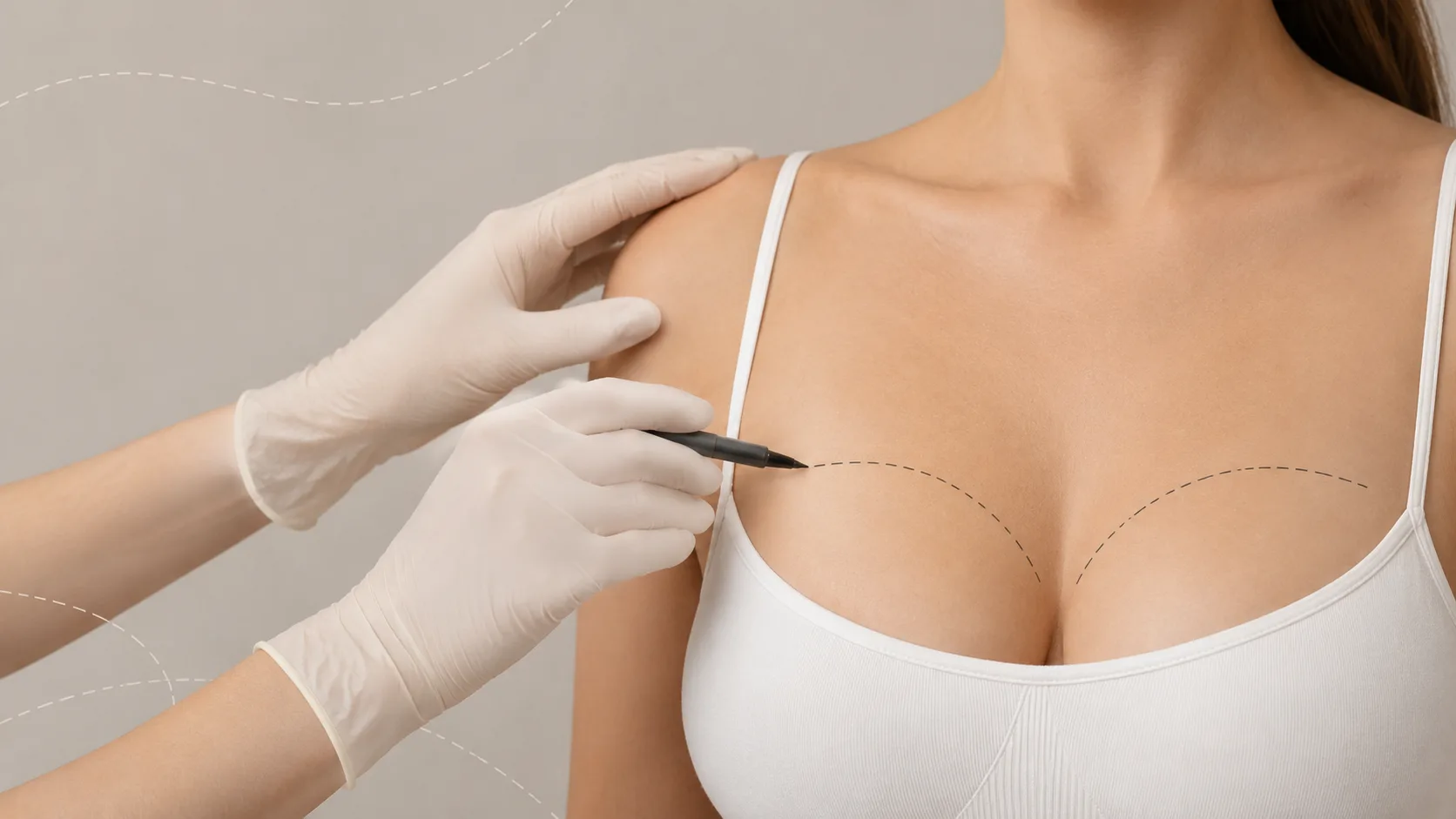
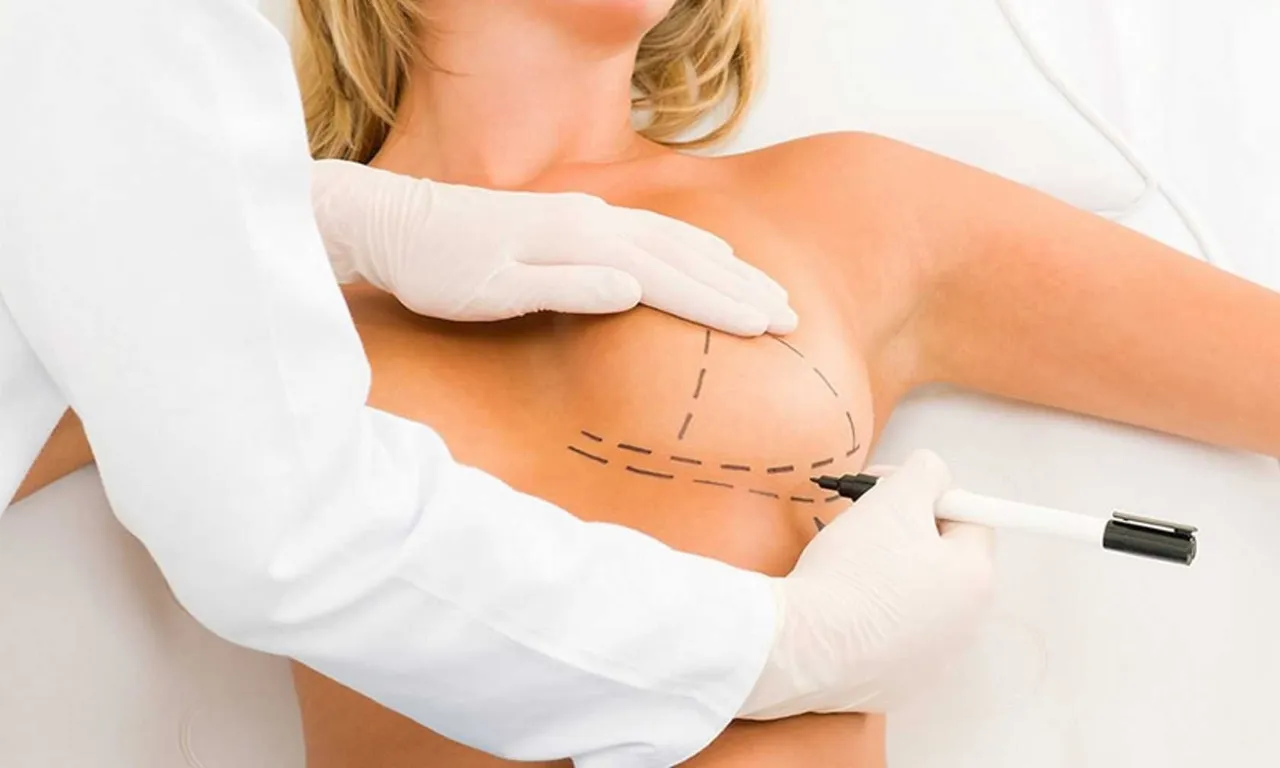
Marking. Planning the new position of the areolas and how much skin will be removed.
Anaesthesia. Selecting suitable pain control, often general anaesthesia.
Surgical correction. Removal of a limited area of skin around the areola, reshaping of tissue where needed, and suturing.
Postoperative monitoring. Assessment of the breasts and recovery instructions.
Recovery After Periareolar Mastopexy
Swelling, bruising, moderate tenderness, and temporary changes in nipple sensation are possible after surgery. The surgeon's instructions must be followed during the first weeks. Some patients return to sedentary work after 1–2 weeks, although the timeline depends on the extent of the operation. The final breast shape is assessed once swelling has subsided and the tissues have settled, which can take several months.
Patients Are Usually Advised To
wear the recommended compression garment;
limit physical activity;
avoid pressure on and injury to the breasts;
care for the surgical sutures correctly;
avoid saunas and swimming pools until the doctor permits them;
attend the scheduled follow-up appointments.
Do Scars Remain After a Periareolar Lift?
Yes. A scar remains along the edge of the areola. Because it lies at the border of pigmented skin it may be less noticeable, but scarring cannot be ruled out entirely. Healing may also involve widening of the scar, a change in the shape of the areola, and irregularity of its outline.
Possible Complications
bleeding and haematoma;
infection;
impaired healing;
noticeable or widened scars;
asymmetry of the breasts and areolas;
flattening of the breast shape;
stretching of the areolas;
changes in nipple sensation;
recurrent tissue descent;
the need for further correction.
Surgery may be postponed in cases of acute infection, decompensated chronic illness, blood clotting disorders, and other conditions that raise surgical risk. Rarely, the blood supply to the nipple-areola complex may be compromised. The operation may also affect the ability to breastfeed, so reproductive plans should be discussed with the surgeon in advance.
Periareolar, Vertical, or Anchor Mastopexy?
Periareolar — an incision around the areola, suited mainly to mild ptosis.
Vertical — an incision around the areola and vertically downwards, allowing a more pronounced lift.
Anchor — an additional incision along the inframammary fold, used for significant excess skin and pronounced ptosis.
The choice of method depends on the degree of breast ptosis and the amount of excess skin. Keeping scars short should not outweigh choosing the right surgical technique and a result that lasts.
The Cost of Periareolar Mastopexy in Dnipro
The cost of a periareolar breast lift depends on the complexity of the operation, the degree of tissue descent, whether the areolas need resizing, the type of anaesthesia, and the extent of postoperative monitoring. Combining the mastopexy with breast augmentation or other procedures also affects the price. The exact cost is determined after a consultation with a plastic surgeon.
If you are considering a breast lift with a scar around the areola, start with a consultation with a qualified plastic surgeon. The specialist will assess the degree of breast ptosis, skin quality, and the structure of the breast, and will help you choose a suitable technique. Ask about the availability of periareolar mastopexy, current pricing, and how to book a consultation.
Our Medical Team
Consultations are provided by specialists across multiple disciplines, ensuring a comprehensive approach to your health


Harmash Serhii Kostiantynovych
Plastic Surgeon, Oncologist, Dermatologist
Experience: 41 years
Learn MoreYou may also be interested in
Breast Lift
A breast lift (mastopexy) at GENEVITY is the surgical correction of breast position without changing volume. The operation removes excess stretched skin and moves the nipple-areola complex to a higher position. Where needed, mastopexy is combined with augmentation or reduction.
Vertical Mastopexy
Vertical mastopexy is a breast lift procedure that addresses moderate breast ptosis, reshapes the breasts, and raises the nipple-areola complex. The technique uses an incision around the areola and a vertical incision down to the inframammary fold.
Circular Breast Lift
A circular breast lift (periareolar mastopexy) is a procedure that corrects mild breast ptosis. During surgery the surgeon removes excess skin around the areola, adjusts nipple position, and improves the breast contour.
FAQ
Mainly patients with mild breast ptosis and a limited amount of excess skin.
For pronounced ptosis the periareolar technique is usually not enough. The surgeon may recommend a vertical or anchor lift.
A lift by itself does not increase breast volume. Where needed, it can be combined with implant placement.
Yes. The scar runs around the areola and may become less noticeable over time.
Whether breastfeeding remains possible depends on the surgical technique and on the ducts and nerves being preserved. It cannot be guaranteed.
The result can last for many years, but pregnancy, weight fluctuations, and natural age-related changes can affect breast shape.
Book a consultation
Our specialists will create the optimal program for you
This information is for general awareness and does not replace a doctor's consultation.