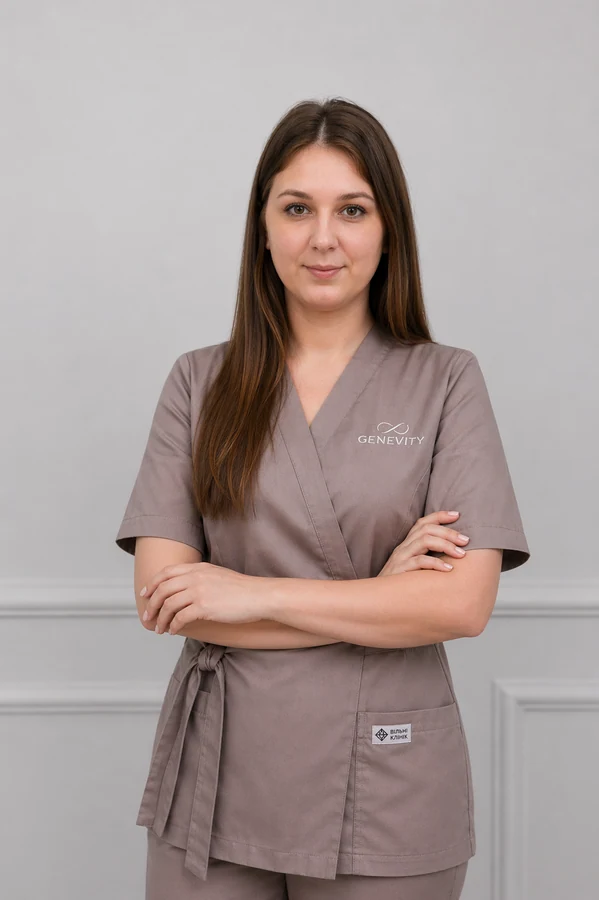
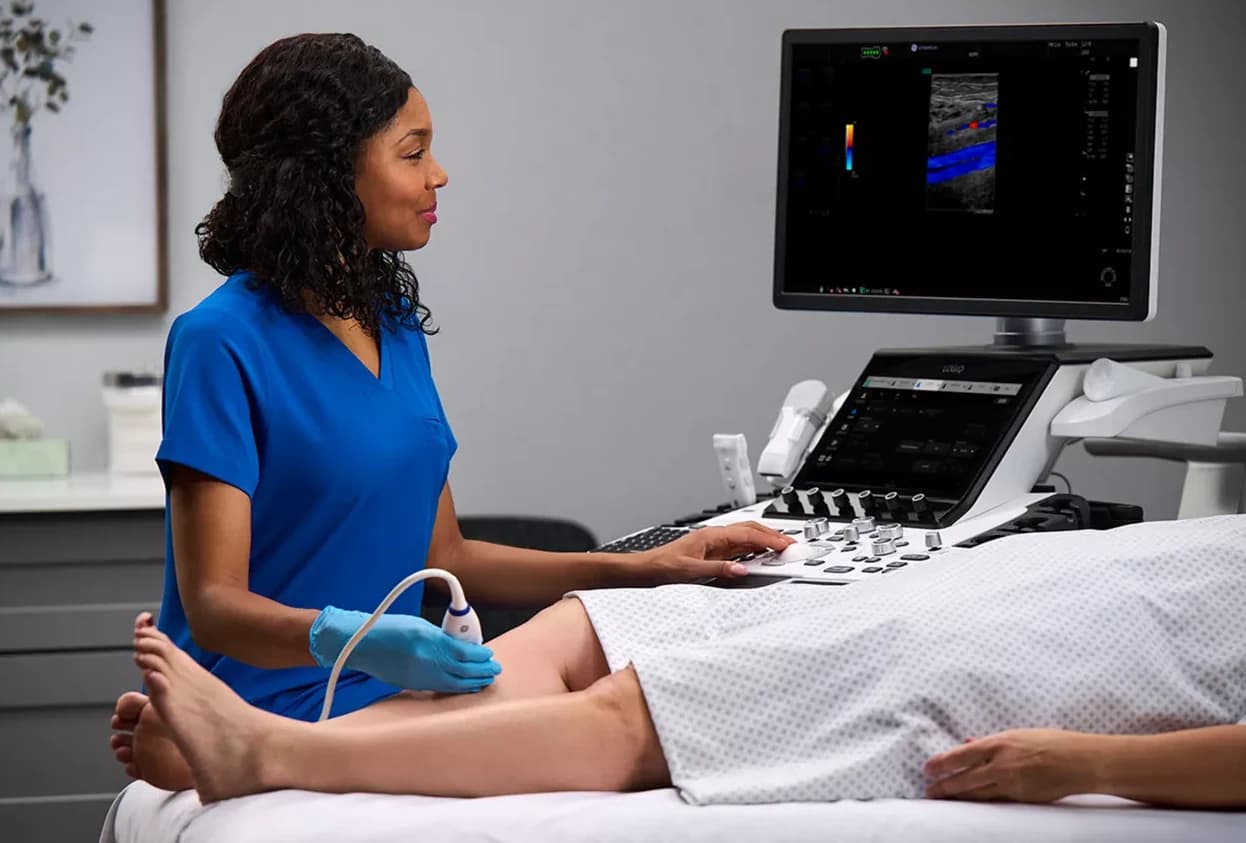
Ultrasound makes it possible to assess, in real time, the condition of internal organs, soft tissues, blood vessels, and other anatomical structures without X-ray radiation. The method is used for initial diagnosis, monitoring the course of diseases, controlling treatment results, and assessing tissues after certain procedures. In this article, specialists from the GENEVITY Longevity and Quality of Life Center in Dnipro explain what an ultrasound examination is, what types of ultrasound diagnostics exist, what ultrasound shows, and in which cases this method is used in aesthetic medicine and cosmetology.
What does US mean and how does ultrasound diagnostics work: can you see filler in the tissues?
First, let’s explain what the abbreviation stands for. It is simple — an ultrasound examination. A probe sends high-frequency sound waves into the tissues; these waves are reflected differently by structures of different density, and the device converts the reflected signal into a real-time image.
At the GENEVITY Longevity and Quality of Life Center, ultrasound is performed on an expert-class GE LOGIQ E10 device, which provides high image detail and makes it possible to assess organs, vessels, and soft tissues. A separate advantage is the ability to examine soft tissues after aesthetic procedures in cases of swelling, induration, tenderness, or asymmetry. Ultrasound data can also be useful to a plastic surgeon when preparing for facial surgery.
Comment from the ultrasound doctor at the GENEVITY Longevity and Quality of Life Center: “Hyaluronic filler on the screen usually looks like an area that barely reflects the signal, so we can see at what depth the product lies and whether it has shifted. This is especially important when a patient does not remember what was injected and where at other medical centers. Before a new correction, the cosmetologist gets an accurate picture.”
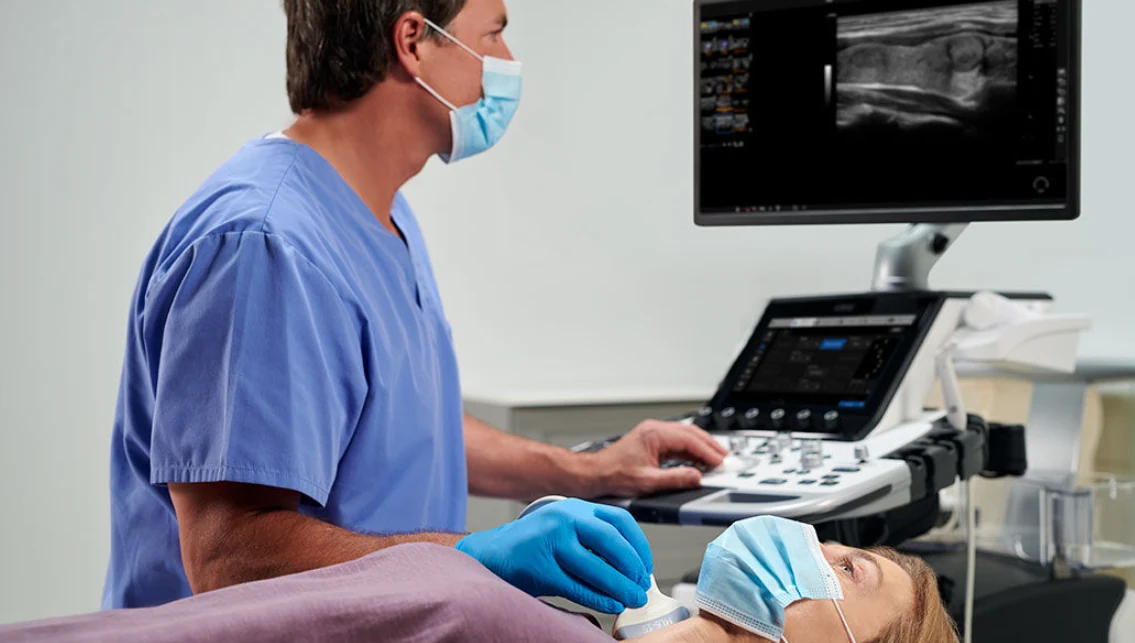
What types of ultrasound can you have at the GENEVITY Longevity and Quality of Life Center?
Ultrasound is part of the center’s diagnostic services. Here, ultrasound examinations are performed of the abdominal organs, kidneys and adrenal glands, thyroid and mammary glands, pelvic organs, heart, vessels, joints, the lymphatic system, soft tissues, and other anatomical areas.
Doppler studies and elastography are available separately. Elastography helps assess the stiffness and elasticity of tissues and identify areas whose structure differs from the surrounding tissue. At the center, it is used when examining the liver, kidneys, thyroid and mammary glands, pancreas and prostate, gallbladder, and soft tissues.
What is included in comprehensive ultrasound examinations and who are they suitable for?
A comprehensive ultrasound examination combines several studies that the doctor selects depending on complaints, age, medical history, and the purpose of the diagnosis. For example, in one visit, an ultrasound of the abdominal organs, kidneys and bladder, thyroid gland, pelvic organs, or vessels may be performed. The specific list is determined individually.
This format is convenient for a preventive checkup, for people with chronic diseases, when several organs or systems need to be monitored, and for those who have not had an examination for a long time.
When is ultrasound prescribed and which diseases does it help detect?
Ultrasound is prescribed for abdominal or joint pain, changes in the mammary glands, thyroid dysfunction, and other symptoms. The examination helps detect gallstones, changes in the liver, cysts and neoplasms, thyroid nodules, and inflammatory changes in the joints. Vascular ultrasound is used to assess blood flow.
How do you prepare for different types of ultrasound?
Preparation depends on which area of the body needs to be examined. Before some types of ultrasound, you can eat and drink as usual; before others, the doctor may recommend coming on an empty stomach or drinking water beforehand to fill the bladder. At the GENEVITY Longevity and Quality of Life Center, you will be told how to prepare for the specific type of ultrasound before your visit.
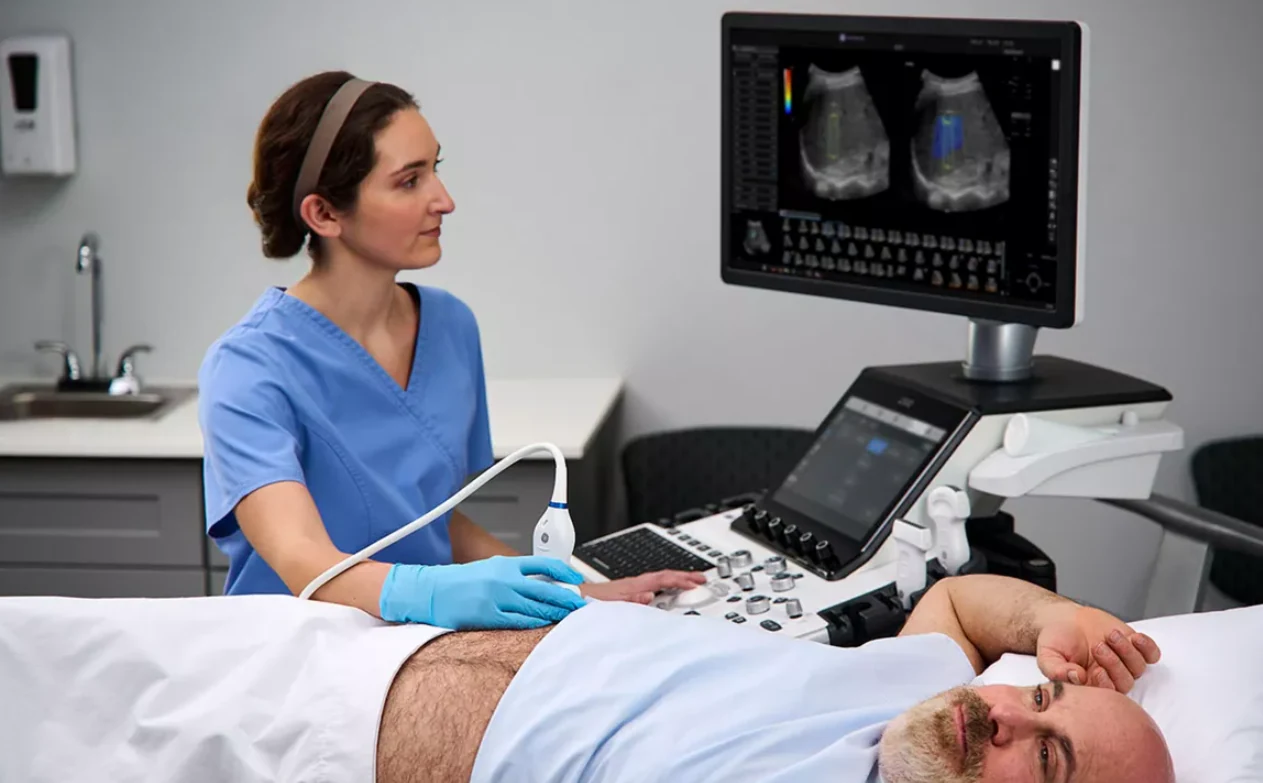
How is an ultrasound examination performed at the GENEVITY Longevity and Quality of Life Center?
During an ultrasound, the doctor applies a special gel to the skin and gradually examines the area of interest with a probe. The image appears on the screen immediately, so the specialist can assess organs and tissues in real time. After the examination is completed, the patient receives a written report.
Benefits of ultrasound at the GENEVITY Longevity and Quality of Life Center
Ultrasound at the GENEVITY Longevity and Quality of Life Center is performed on an expert-class GE LOGIQ E10 device with a set of probes for different anatomical areas and elastography capability. The diagnostic department also includes bioimpedance analysis for body composition. The patient receives the report on the day of the examination, and the doctor explains the results right away. You can book an ultrasound without a referral.
This information is for general awareness and does not replace a doctor's consultation.