
Exosome therapy is one of the most talked-about areas in regenerative cosmetology in recent years. As interest in the topic grows, so does the number of questions: what exactly is this procedure, how does it differ from familiar injectable techniques, and why is now a good time to start a course. In this article, specialists at Genevity’s center for longevity and quality of life explain what exosomes are, how they act at the cellular level, and what skin problems they help solve.
What are exosomes in simple terms?
Exosomes are microscopic extracellular vesicles, 30–150 nanometers in size, produced by the body’s cells. Essentially, they are natural carriers of information between cells. They contain microRNA, growth factors, signaling proteins, and lipids, through which one cell passes a regeneration signal to another.
Exosomes: what are they used for in cosmetology?
When introduced into the skin, exosomes penetrate the deep layers of the dermis and pass on the information they carry to fibroblasts — the cells responsible for producing collagen and elastin. This mechanism of action expands the options that injectable cosmetology offers today for improving skin quality. Once they receive the signal, fibroblasts more actively synthesize components of the extracellular matrix, which supports skin density and firmness. At the same time, inflammation in the tissues decreases, which is especially important for acne and post-acne.
Comment from a Genevity cosmetologist: “We view exosome therapy as one of the most modern approaches to improving skin quality. It’s particularly suitable when the goal isn’t to change facial features or restore volume, but to influence tissue restoration processes and gradually improve skin density, texture, and tone.”
What are exosomes used for on the face?
The “Exosomes” procedure is used for rejuvenation and improving skin quality: increasing firmness and hydration, evening out texture, and reducing the appearance of post-acne marks and signs of photoaging. In aesthetic programs, it can be combined with biorevitalization to simultaneously support dermal cell regeneration and replenish moisture deficiency in the skin.
What skin problems does the procedure help solve?
Exosome therapy is used when there’s a need to improve the overall condition of the skin and support its natural recovery processes. The procedure helps:
reduce the manifestations of active acne and post-acne, including post-inflammatory pigmentation;
smooth out scars and texture irregularities after dermatological conditions;
restore tone, firmness, and natural radiance to the skin;
speed up recovery after aggressive laser procedures and peels;
reduce chronic skin inflammation in rosacea and couperose.
Comment from a Genevity cosmetologist: “What matters here is that we’re working not with living cells but with their signaling structures. That’s why exosome-based products are generally well tolerated and can be used in programs for sensitive, reactive skin.”
Why is autumn suitable for cellular skin renewal?
After the summer season, the skin especially needs recovery and more careful care due to accumulated photodamage, dehydration, and the effects of increased sebaceous gland activity in the heat. In autumn, solar activity decreases, and with it the risk of unwanted pigmentation after injectable procedures. That’s why this period is well suited for a course aimed at skin restoration and renewal.
How does the exosome procedure work?
Retinoid use is stopped 5 days before the procedure. For at least two weeks before the visit, it’s recommended to avoid tanning and prolonged sun exposure.
At the appointment, the doctor assesses the skin’s condition, determines the goals of the therapy, and the necessary concentration of the product. The skin is then cleansed, degreased, and a topical anesthetic is applied for about 30 minutes.
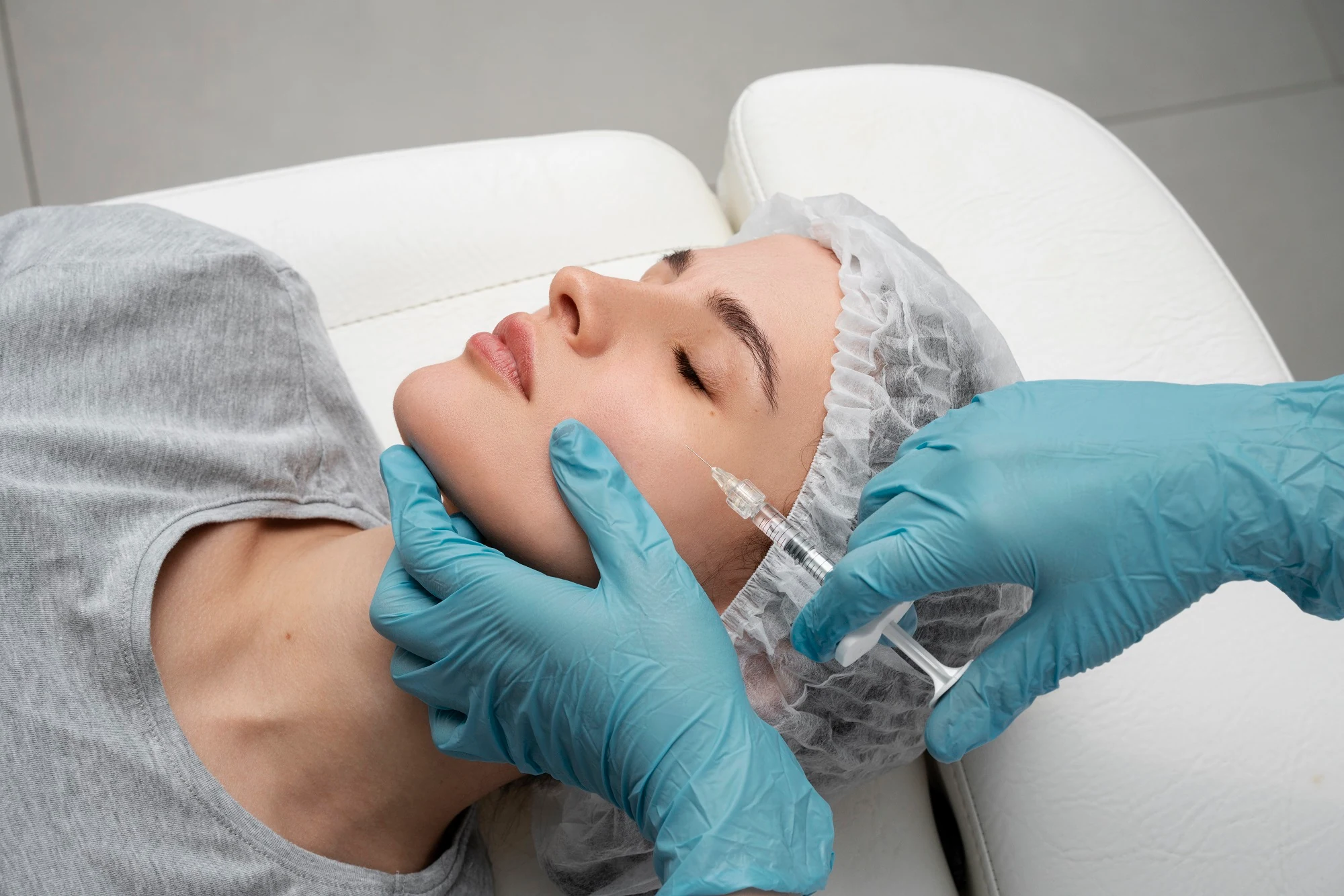
Exosomes are administered via micro-injections or combined with microneedling therapy. The procedure takes 30–45 minutes. For the following 48 hours, it’s recommended to avoid direct sun, alcohol, and physical exertion, and to use SPF 50+ sunscreen daily.
What effect can be expected after the procedure?
After the procedure, the skin gradually becomes denser, firmer, and smoother, texture and tone even out, and the skin looks fresher and more well-groomed. The effect builds up as fibroblasts synthesize collagen and other active components of the extracellular matrix.
A visible result is usually noticeable after the second or third session. A standard course consists of 3–4 procedures with an interval of 3–4 weeks. The effect lasts from 6 to 12 months after completing the course. For treating active acne, the course may consist of 4–6 sessions.
Who might exosome therapy be suitable for?
Exosome therapy is often considered for reduced skin quality, uneven texture, post-acne, pigmentation, age-related changes, and slow recovery after cosmetic procedures. The technique can be part of comprehensive programs aimed at correcting several aesthetic concerns at once. Whether the procedure suits a particular patient is determined by a Genevity cosmetologist at a consultation, after assessing the skin’s condition and the goals of the therapy.
This information is for general awareness and does not replace a doctor's consultation.